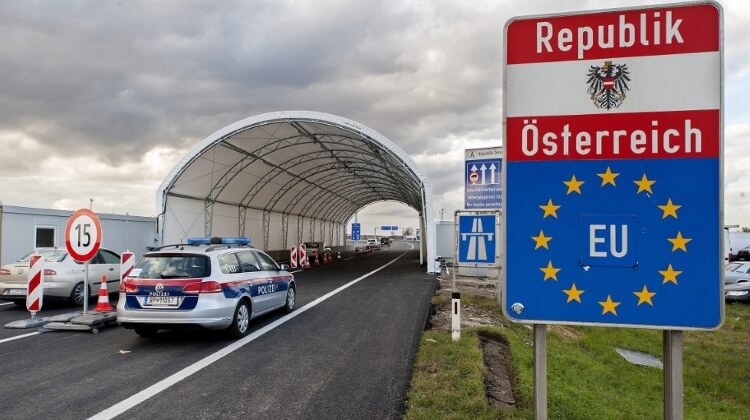
Amid rising case numbers, Austria is closing its 42 border crossings with the Czech Republic and Slovakia. Smaller border crossings will be closed completely from Thursday, January 14, while fixed controls will be put in place at larger border crossings. Interior Minister Karl Nehammer (ÖVP) described the situation in Slovakia and the Czech Republic as “extremely tense”. The country is concerned about the situation in both countries, which are currently one of the most affected by coronavirus infection. Ongoing checks took place at the Austrian border before the Christmas holidays. Austria has carried out more than 770,000 checks since the mandatory quarantine regulation came into effect on December 19th. The conditions for a trip to Austria do not change. Upon arrival, a ten-day quarantine is required. After five days, it is possible to undergo a test and in case of a negative result, terminate the isolation. In addition, at the border, passengers must fill in a form and specify the reason why they are coming to Austria. Cross-border commuters will be allowed to enter and to avoid the quarantine requirement, however all cross-border workers will need to show evidence that they have an employer in Austria. ❗️9. ledna obnovilo...
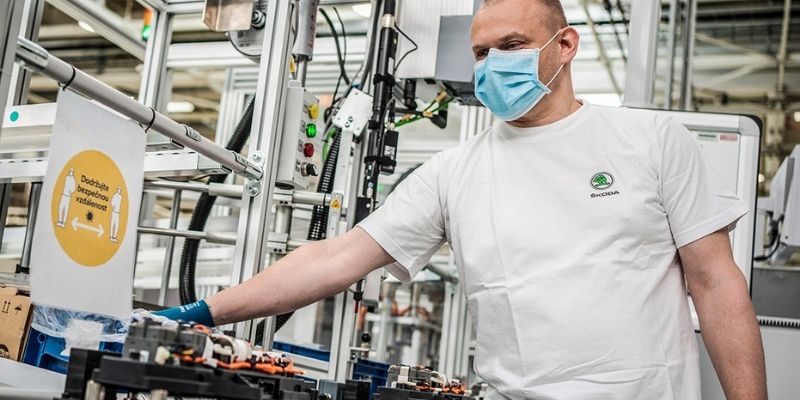
Global deliveries by Volkswagen’s Škoda Auto fell 19.1% to 1.005 million vehicles in 2020, hit by the COVID-19 pandemic which caused production outages and closures of dealerships, the Czech carmaker said on Tuesday. The carmaker delivered more than 1 million vehicles for the seventh year running but suffered like many peers as the pandemic hit output and sales, largely in the second quarter. The company saw its biggest drop in China, its largest single market, where deliveries fell 38.7% in 2020, shrinking for a second straight year. Škoda said the second half of the year saw improvement and its board member responsible for sales, Alain Favey, said he viewed the coming months with moderate optimism, despite a surge in COVID-19 infections. While the Czech Republic and other countries in Europe have been hit harder by a growing number of infections, factories have kept their gates open, unlike near the outset of the pandemic. Czech industrial output grew on a year-on-year basis in October and November, according to the latest data available, after crashing in April and May. Škoda is the country’s biggest exporter, shipping the vast majority of its cars abroad. In Europe, Škoda said its market share increased to...
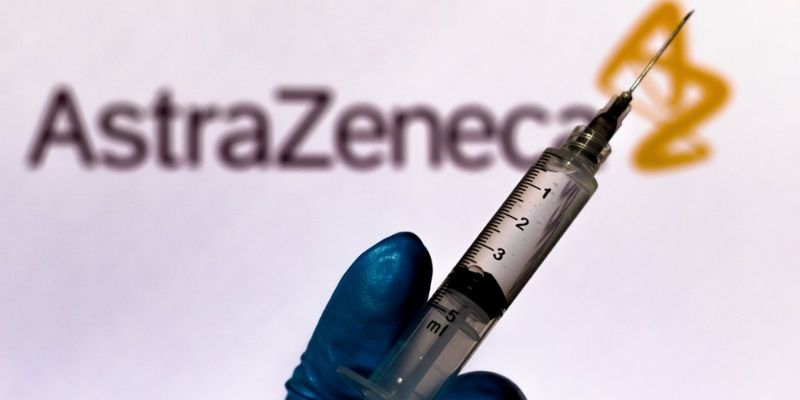
The European Medicines Agency said Tuesday that AstraZeneca and Oxford University have submitted an application for their COVID-19 vaccine to be licensed across the European Union. The Czech Republic is therefore expecting the delivery of 200,000 doses of the AstraZeneca vaccine in February, and 3 million by the end of the year. “Thanks to the easier handling and storage, vaccination will become more accessible. It is another step so that we can return to normal life,“ said State Institute for Drug Control (SÚKL) director Irena Storová. The EMA, the drugs agency for the 27-nation EU, has already approved two other coronavirus vaccines, one made by American drugmaker Pfizer and Germany’s BioNTech and another made by U.S. biotechnology company Moderna. The Oxford-AstraZeneca vaccine is expected to be a key vaccine for many countries because of its low cost, availability, and ease of use. It can be kept in refrigerators rather than the ultra-cold storage that the Pfizer vaccine requires. From January 15, people of 80 years and older will be able to register themselves for COVID-19 vaccination, for the rest of the Czech population, it will open from February 1. Latest statistics The number of deaths related to COVID-19 rose by...
Entering the 2021 EU Year of Railway, the European Commission has approved today an investment of over €160 million (more than 4 billion CZK) from the Cohesion Fund to replace the single line between Sudoměřice u Tábora and Votice with a new 17 km-long double-track railway. This will enable the passage of long-distance, high-speed trains, and more freight and regional trains. Cohesion and Reforms Commissioner Elisa Ferreira said: “This project will modernize rail transport in the Czech Republic making its railway network more competitive and attractive compared to other more polluting and dangerous transport modes.” “This will greatly benefit people and businesses not only in the Czech Republic but also in the rest of Central Europe,” she adds. The project will contribute to the greater capacity and competitiveness of railway transport. This should encourage a shift from road to rail transport, which will bring environmental benefits, in the form of less noise and air pollution, while contributing to socio-economic development in the south and central Bohemia. The new line on Prague-České Budějovice railway corridor will facilitate access to the cities of České Budějovice and Prague and the town of Tábor, making it easier for people to meet the demand for...
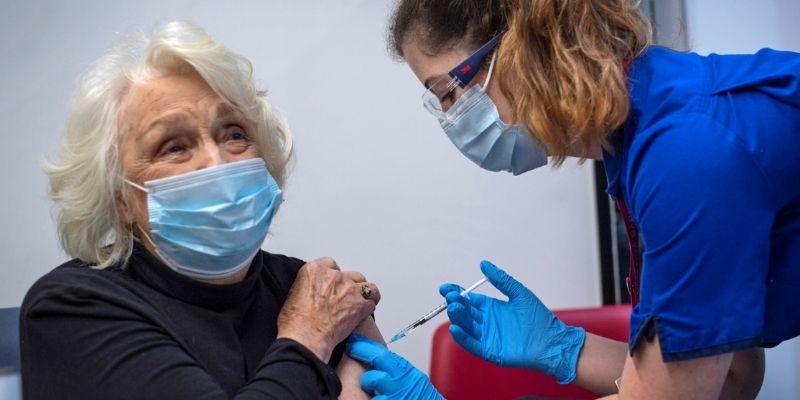
As of Monday, a vaccination team has been dispatched in Prague and started operating in the early hours of the morning. The team consists of a doctor, two nurses, and volunteers. They are driven around in a Red Cross vehicle with the task of vaccinating clients of residential facilities for senior citizens. The facilities themselves cannot provide vaccinations to the elderly, hence the need for this team and operation. It has been reported that six facilities have requested the service so far. The vaccination team has been organized by the Czech Red Cross, along with the Prague Municipality, and the Municipal Polyclinic. David Doležil, Director of the Municipal Polyclinic and regional vaccination coordinator, has said that “The mobile team will help with vaccinations in various other locations in the coming days as necessary. In addition to that, our polyclinic will provide the entire logistics and handle the formal side of things. We have another very difficult period ahead of us.” Czech Republic’s Minister of Health announced that the vaccination against Covid-19 will strategically be carried out, and done in three stages. Blatný announced in a press conference during the first week of January. The first stage, which is currently happening,...
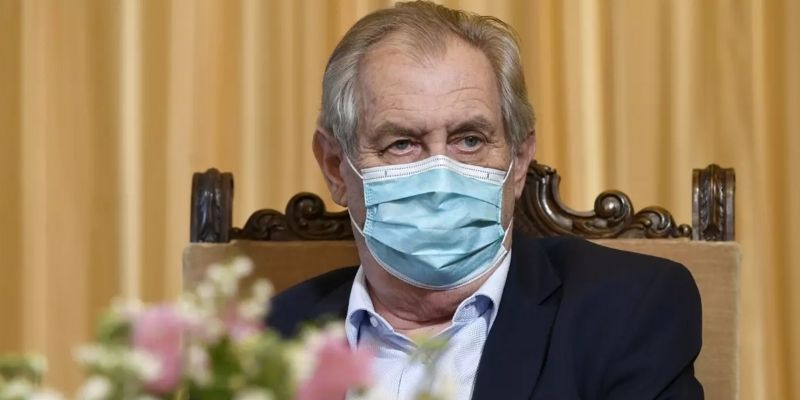
The Czech president said Sunday he had asked Israel for advice on coronavirus vaccinations as his EU country suffered one of the world's fastest infection rates.
The lowest unemployment rate in November last year was observed in the Czech Republic — at 2.9% and Poland — at 3.3%.
In light of recent events, it is becoming more apparent that anti-vaccination sentiments are strong in the Czech Republic. Pro-Trump protesters marched from Wenceslas Square to the US Embassy in Prague. Some of the demonstrators sported yellow star badges, embedded with the word ‘Neočkovaný’ (Unvaccinated). These badges were meant to imitate the ‘Star of David’ badges, which served to identify Jews during Nazi Germany, and even in the Middle ages. Ultimately, they were badges of shame. Czech Chamber of Deputies member and politician, Lubomír Volný, shedded light and explained this symbolism. He stated that “in due time, vaccinated citizens will be favored, while the people who remain unvaccinated become second-class citizens, in a sense”. This explains why the demonstrators wore the yellow stars of David. The protesters’ choice of sporting these badges has been strongly criticized and condemned by many politicians and relevant figures. The Federation of Jewish Communities and The Foundation for Holocaust Victims in the Czech Republic, for example, have taken notice of this movement and have posted on Facebook stating that the display was greatly disrespectful to the victims of the Holocaust, and an act of abuse. The individual or group who started this movement remains unknown,...
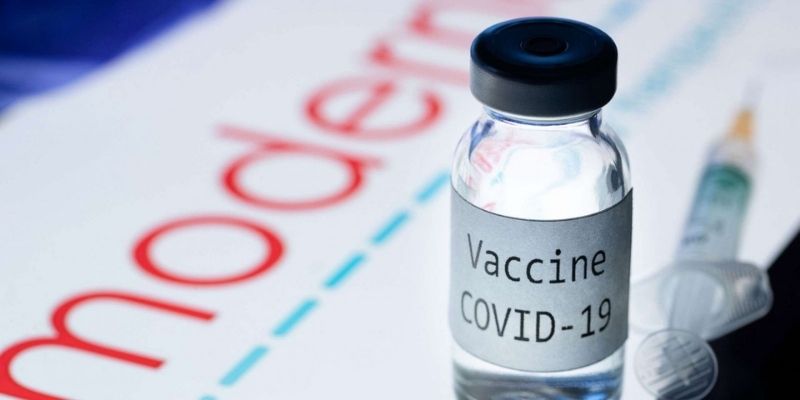
The first 20,000 doses of Moderna Inc’s COVID-19 vaccine will arrive in the Czech Republic on Monday and will be delivered to the Moravian-Silesian Region. Moderna’s vaccine uses messenger RNA (mRNA) technology similar to the Pfizer-BioNTech shot but is easier to handle since it doesn’t need to be refrigerated at extremely low temperatures. In trials involving 30,000 volunteers, it was over 94% effective at preventing symptomatic COVID-19 in adults. It’s still unclear if the shot prevents the asymptomatic spread of the disease. U.S.-based Moderna said on Monday it would produce at least 600 million doses of its COVID-19 vaccine in 2021, up by 100 million doses from its previous forecast. According to Prime Minister Andrej Babis, about 40,000 people have been vaccinated in the country. Under standard rules, five doses can be drawn from each vial, but experts have said that, with the right needle and syringe, is possible to obtain a sixth or even seventh dose. The vaccine is given in a two-dose schedule with an interval of 21 days. The vaccination procedure lasts about 15 minutes, each vaccinated person is observed for additional 30 minutes. According to PM Babiš, the Czech Republic has ordered 15 million doses of...
“Participants in some cultural, and social events may need to provide a valid negative COVID-19 test before admission,” said Health Minister Jan Blatný. However, the final decision will be up to the organizer, the government will set the necessary conditions. The proposal is part of the changes within the anti-epidemic system PES. With a negative COVID-19 test, accommodation in hotels could also be possible in a higher degree of risk in the PES system. According to the daily Mladá fronta DNES, the opening of shops, museums, and zoos, are also being considered. “The negotiations will continue next week,” Blatný added. Events in Singapore Singapore is piloting the use of rapid tests as an important part of its strategy for stemming the spread of the coronavirus that will allow for larger gatherings in phase three of its re-opening, he said. Results of antigen rapid tests could be out within 30 minutes and the tests can be conducted at the event venue or off-site at a separate testing facility. For tests done off-site, participants have to produce a certificate showing a negative test result, which is valid for a 24-hour timeframe that includes the duration of the event. Participants of multi-day events will...
E-shop revenues in the Czech Republic rose by 26% year-on-year to a record 196 billion CZK in 2020. The share of online rose to over 16% of the total retail sales. The number of online shops has grown by 3.5% y/y in 2019. Electronics, cosmetics, and clothing represented the largest share of turnover. “We expect that this year the amount of money spent in e-shops will be slightly higher again,” said Shoptet CEO Miroslav Udan, CNA quoted. “The 16% share in total retail is a great success because online stores have managed the hectic period well. They showed how comfortable and high-quality services they offer,” says the Association for Electronic Commerce (APEK) Executive Director Jan Vetyška. “We have seen a sharp increase since March. Nevertheless, the most successful period was again the pre-Christmas period. From October to December, Czechs bought gifts for more than 65 billion CZK online,” adds Vetyška. Electronics accounted for 37% of last year ́s total online amount, followed by cosmetics with 12%. Women spent more on the Internet than male, buying 60% of goods sold. “We are seeing a growing trend in online shopping for clothing. Not only large fashion e-shops but also shops selling sports...
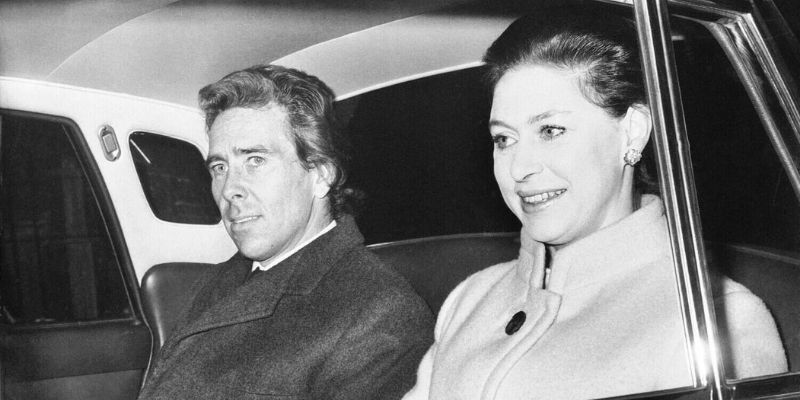
In the 1970s, the Czechoslovak communists sought to infiltrate the British royal family, the British The Sun daily reported, referring to State Security documents. The communist spy was Captain Bohumil Karkan, code-named Krupský, and his target was Princess Margaret’s husband Anthony Armstrong-Jones, known as Lord Snowdon. Krupský was to meet him twice in the 1970s during the Cold War. According to The Sun, Krupský acted as the official representative of the Czech embassy, and Armstrong-Jones, the brother-in-law of Queen Elizabeth II, agreed to meet at Kensington Palace, where he even gave the spy his telephone number. During the meeting, Armstrong-Jones and Kurpský reportedly discussed the upcoming 1973 royal tour of the Soviet Union by Prince Philip and Princess Anne. According to the documents The Sun refers to, Krupský allegedly said about the meeting with Lord Snowdon that it took place “in a friendly atmosphere, which created the conditions for further social contact.” As a passionate photographer, Armstrong-Jones also asked if it would be possible to organize an exhibition of his work in Czechoslovakia. Buckingham Palace, however, declined to comment on this matter. However, The Sun notes that the disclosed documents do not imply that Lord Snowdon would reveal anything significant to...
Don’t have an account? Register
Already have an account? Log In
How Would You Like to Promote Your Business? PR ArticleDisplay bannersVideo productionNewsletter adsJob ListingsInfluencer Marketing
Your Email
We will come back to you within 24 hours with our proporsal