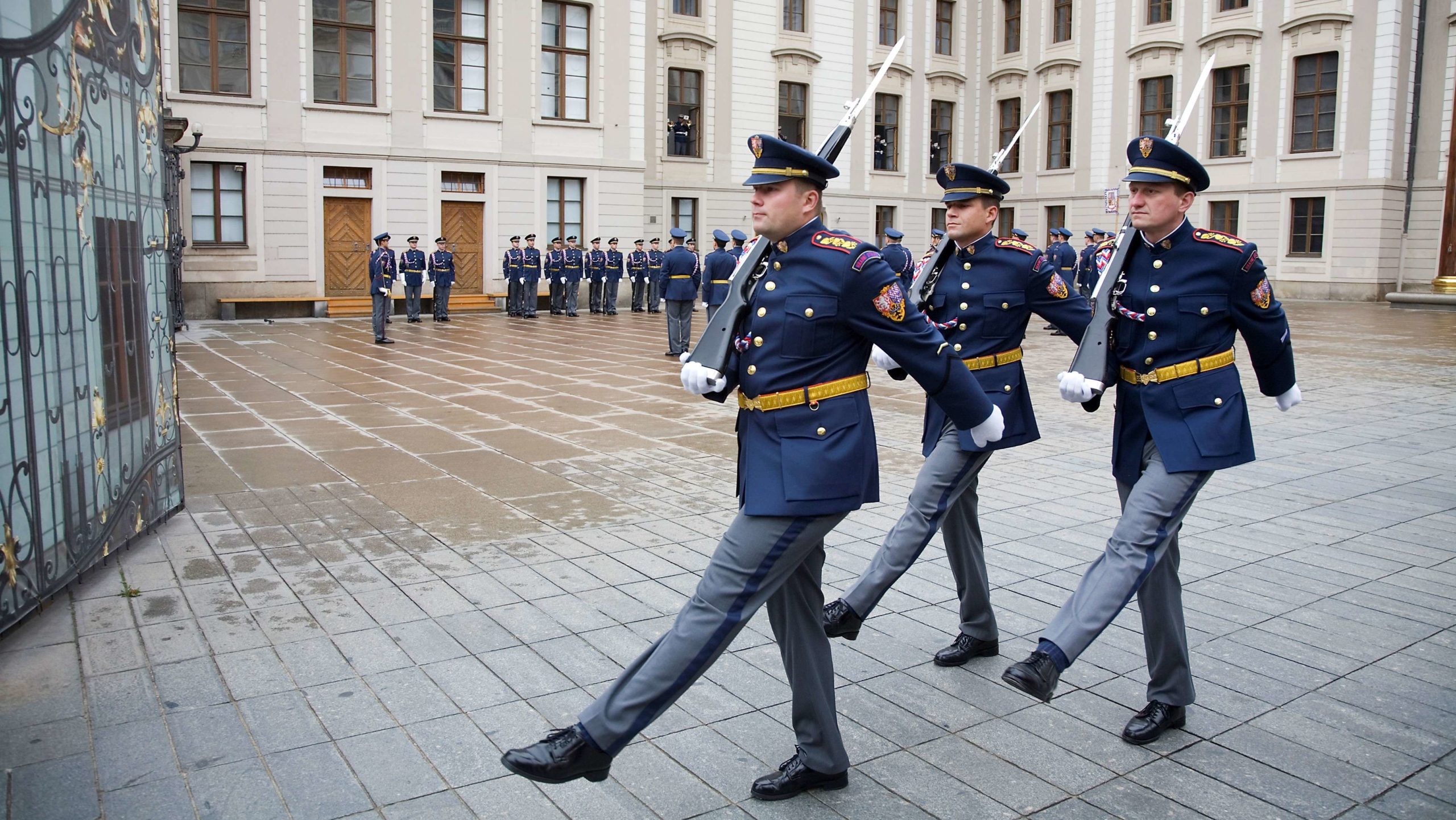
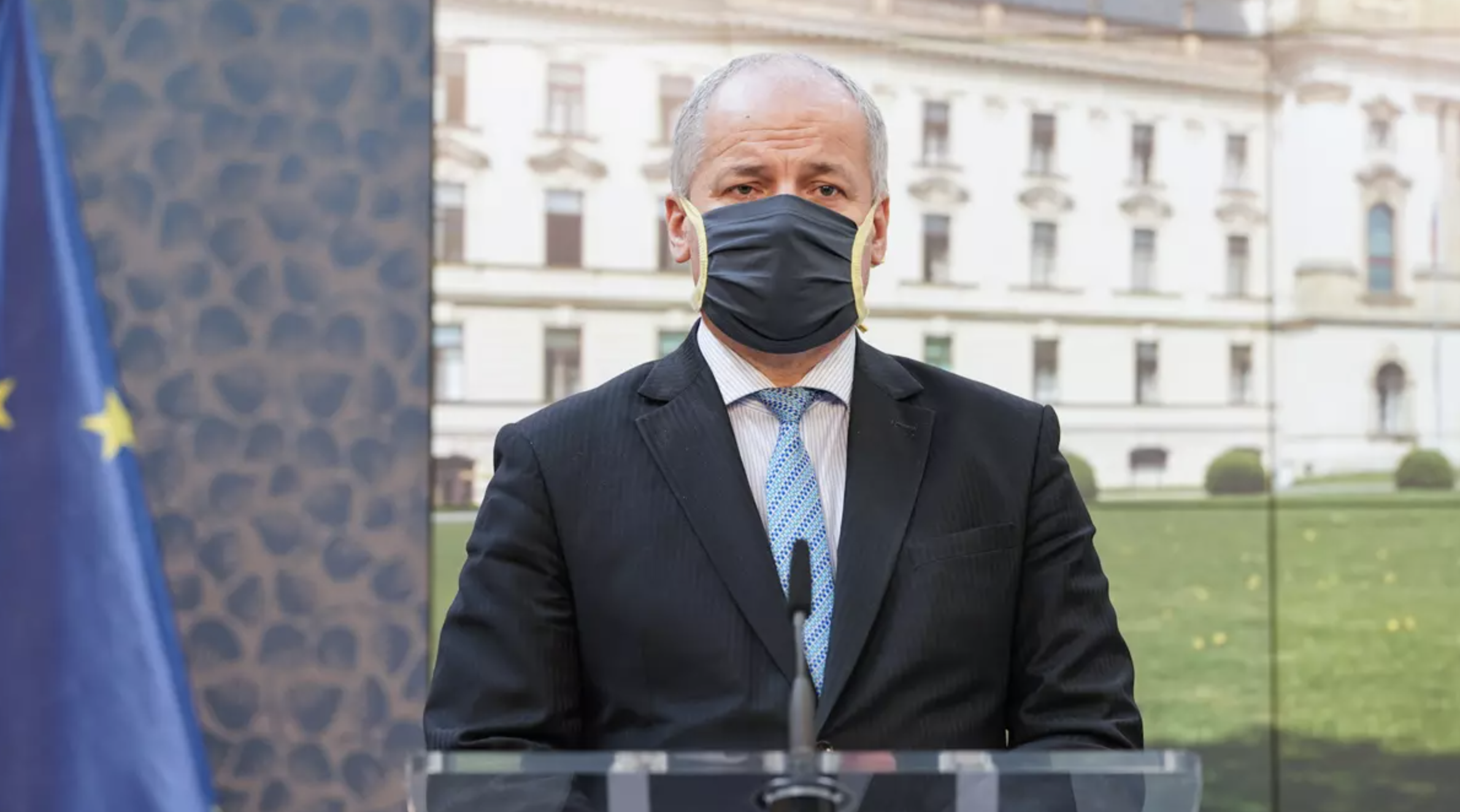
“Based on the recommendation of the Minister of Health Roman Prymula, President Zeman decided that gala-ceremony at which he awards high state distinctions for outstanding achievements, professional excellence, and exemplary personal qualities, will be postponed and take place on October 28 next year,” said Prague Castle chancellor Vratislav Mynář. The list of the awards will appear on the Prague Castle website on October 28 at 8 p.m. “October 28 will be symbolically commemorated by a ceremonial change of castle guards, which will take place at noon, followed by the anthem of the Czech Republic,” added Mynář. “In the evening, the first courtyard of Prague Castle will be ceremoniously lit in the colors of the Czech flag”. History – what you need to know To understand the origin and importance of 28 October, we need to go back to the end of WWI. During the year of 1918, the guarantee was gained that the Triple Entente countries would accept future Czechoslovakia as a sovereign state. This unique position among the former Austria-Hungary states made the official creation of Czechoslovakia a swift process from thereon, and on 28 October it was agreed in Geneva that a new republic with Tomáš Garrigue Masaryk...
The Czech Republic registered a record one-day tally of 14,968 new coronavirus cases on Wednesday, the Health Ministry said, as the government ordered most shops to close and tightened restrictions to curb the virus’s spread. The country has recorded 208,915 infections since March. Deaths have risen to 1,739, the ministry said on Thursday, up from 1,619 reported a day earlier, which includes 69 deaths on Wednesday along with revisions to previous days. The seven-day rolling average of daily new cases has risen over the past two weeks from 32.81 new cases per 100,000 people on Oct. 7 to 92.88 new cases per 100,000 people on Wednesday. Read: Majority of Shops Will Close, Restrictions on Movement in Public New restrictions take effect from today. The Czech government on Wednesday ordered: Most of the shops will be closed, with the exception of stores with a basic assortment of goods. Only groceries, drugstores, and pharmacies will be open in the malls. Restrictions on movement and contact except to travel to work, to visit family, go shopping, and to doctor appointments. Walks in nature and in parks are allowed – for a maximum of two people, with the exception of family members and co-workers....
The Czech government ordered most shops and services to shutter and sought to limit all movement to essential trips such as for work and medical visits to curb Europe’s fastest growth in new coronavirus infections. The Czech government has announced strict new measures: most of the shops will be closed, with the exception of stores with a basic assortment of goods. Services will also be reduced. “We need to protect the health of the people first and foremost. If we do not take these measures, the health system will collapse,” said Prime Minister Andrej Babiš. Only groceries, drugstores, and pharmacies will be open in the malls. Restrictions on movement and contact except to travel to work, to visit family, go shopping, and to doctor appointments, Roman Prymula, announced on Twitter. No further measures have been announced regarding schools, restaurants, and bars. “Wherever possible, we ask employers to move to a home office system,” the minister said. According to him, it is necessary to give priority to written or telephone contact, to submit documents only through the filing office. Walks in nature and in parks are allowed – for a maximum of two people, with the exception of family members and...
The Czech Republic reported 11,984 new COVID-19 cases on Tuesday, the highest daily increase since the beginning of the epidemic.
Health Minister Roman Prymula said that the current restrictions were not doing enough to reduce contact among the population.
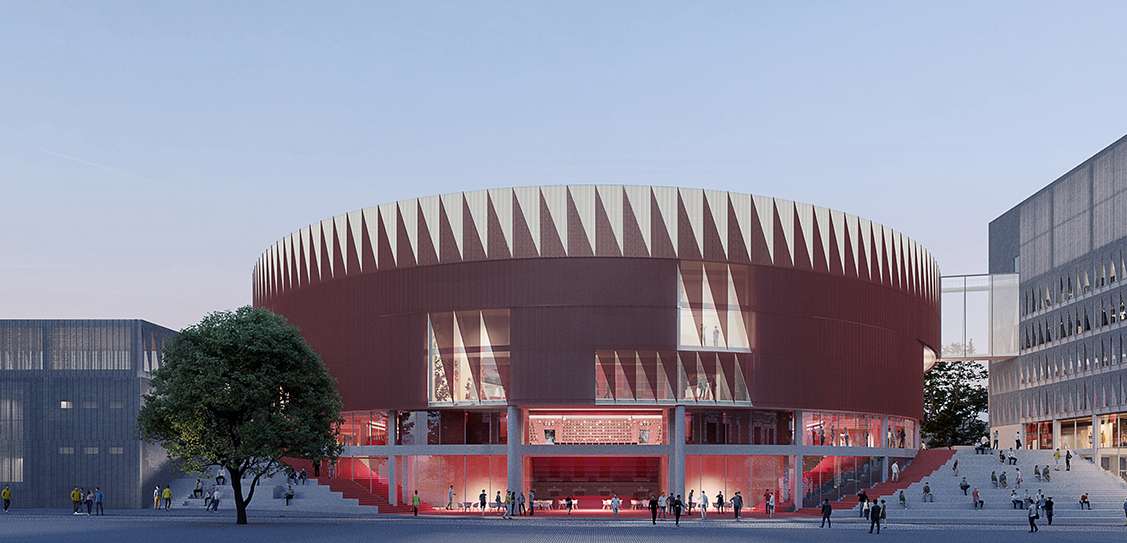
The result of a public competition, Chybik + Kristof Architects & Urban Designers were selected to complete the construction of the Jihlava Multipurpose Arena. A vibrant multifunctional complex, the four-building project brings together sports, culture, and social venues open to diverse audiences. Revisiting the site as an urban sociocultural campus, they act together to revive the notion of public space and integrate the long-neglected area to Jihlava’s city centre. The construction, due to begin in 2021 and end in 2023, will build on the city’s existing hockey stadium, a deteriorating indoor sporting arena built in 1956, and expand into a four-building multifunctional centre bringing together an adaptable ice rink, a rooftop running track and a gym as well as a sports academy, hospitality establishments and shops. Hosting both regional sporting and cultural events, the completed structure will act as a public platform open to a variety of audiences for a diverse range of activities, in an effort to revitalise this area of the city. The new structure unfolds into four distinct buildings, two of which already exist, connected through open-air walkways and green spaces. While the existing rectangular stadium undergoes full reconstruction and the sports academy is maintained as a...
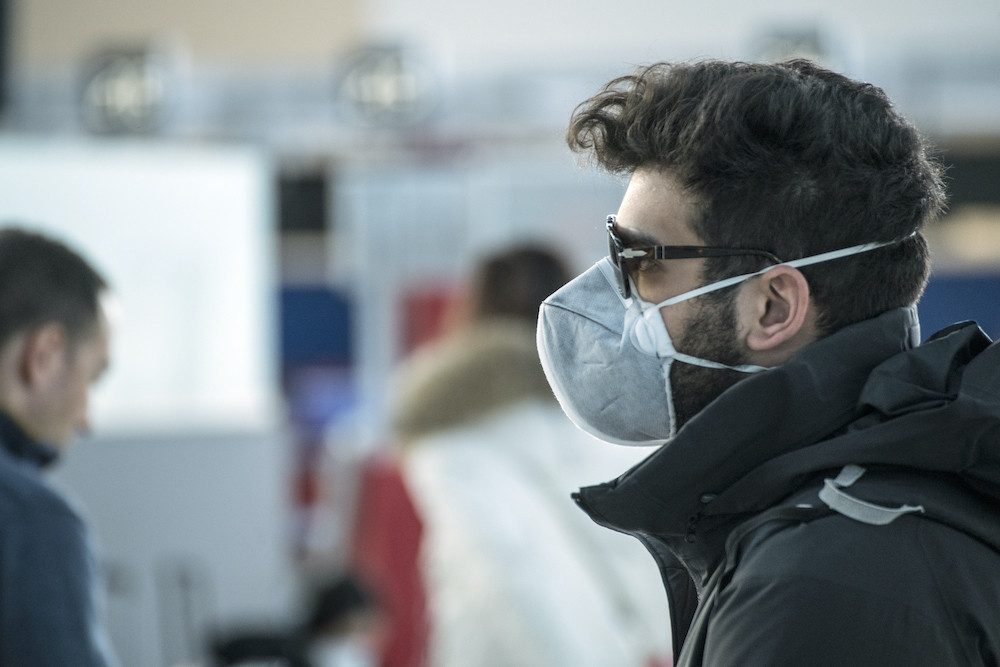
Face masks must be worn everywhere in the Czech Republic from tomorrow, Wednesday, October 21 in order to curb a surge in coronavirus infections
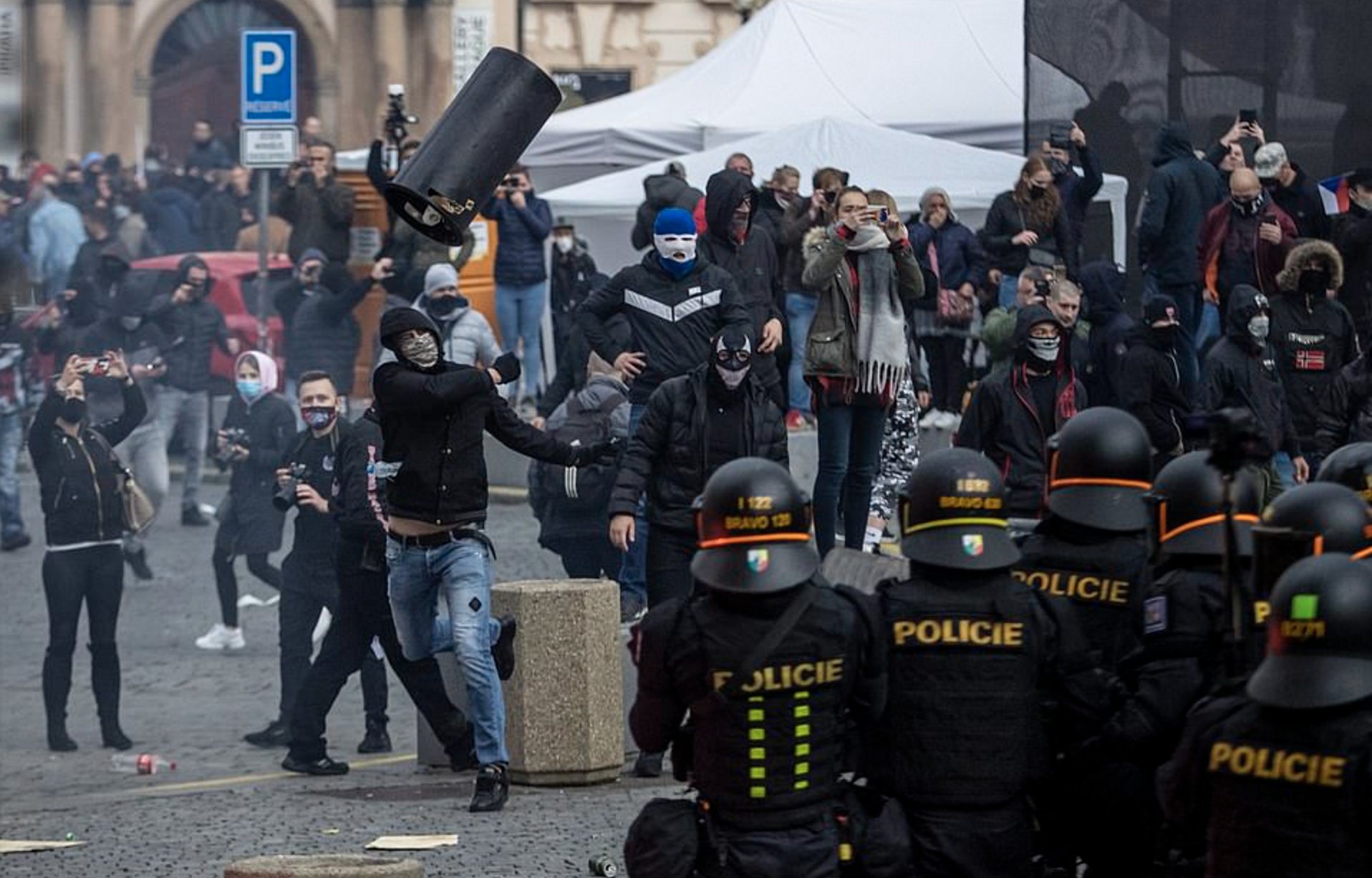
Police detained around 150 people in Prague at a protest against the government’s Covid-19 restrictions on Prague’s Old Town Square on Sunday. Thousands of protesters, including “radical” football fans according to police, gathered in the city center to demand the resignation of Health Minister Roman Prymula. Public gatherings of more than six are also banned but up to 500 people are allowed to demonstrate if they are divided into separated groups of 20 and wear face masks. Many of the demonstrators had no face coverings. After police said their number surpassed 500, the organisers ended the rally. “Participants attacked the police without any reason,” Prague police chief Tomas Lerch told reporters, while another officer described them as “radical fans”. “We used a water cannon, tear gas and petards,” Lerch said, adding that nearly 20 officers were injured. Police rescue services said at least 20 people were injured in the clashes on Sunday. In the past week, bars and restaurants have been ordered to close except for takeout orders, and schools have moved to distance learning. Sport and fitness clubs, theatres and cinemas had already shut, but shops have remained open.
The Czech Republic reported 5,059 new COVID-19 cases on Sunday, bringing the total number of cases detected since March to 173,885, a rise of over 100,000 in October alone. Deaths have climbed to 1,422, up from 698 on October 1. The number of hospitalizations has risen to 3,519, and those in intensive care number 587. There were 660 confirmed cases of coronavirus in Prague on Sunday. It is a decrease compared to the previous five days, but at the same time, the highest Sunday increase since the beginning of the epidemic. Since March, 31,028 people have been infected in Prague, 14,157 have been cured, and 255 have died. There are currently 16,616 infected in the Czech capital. “The Czech government will wait at least two weeks before deciding whether to order a full lockdown to stem its epidemic”, Deputy Prime Minister Karel Havlicek said on Sunday. The healthcare system faces a difficult few weeks ahead but is not threatened by collapse, health officials said on Friday. Meanwhile, the Czech Fire Rescue Service said it had sent a formal request through European Union channels for ventilators. Worldwide coronavirus cases crossed 40 million on Monday, according to a Reuters tally. There were...
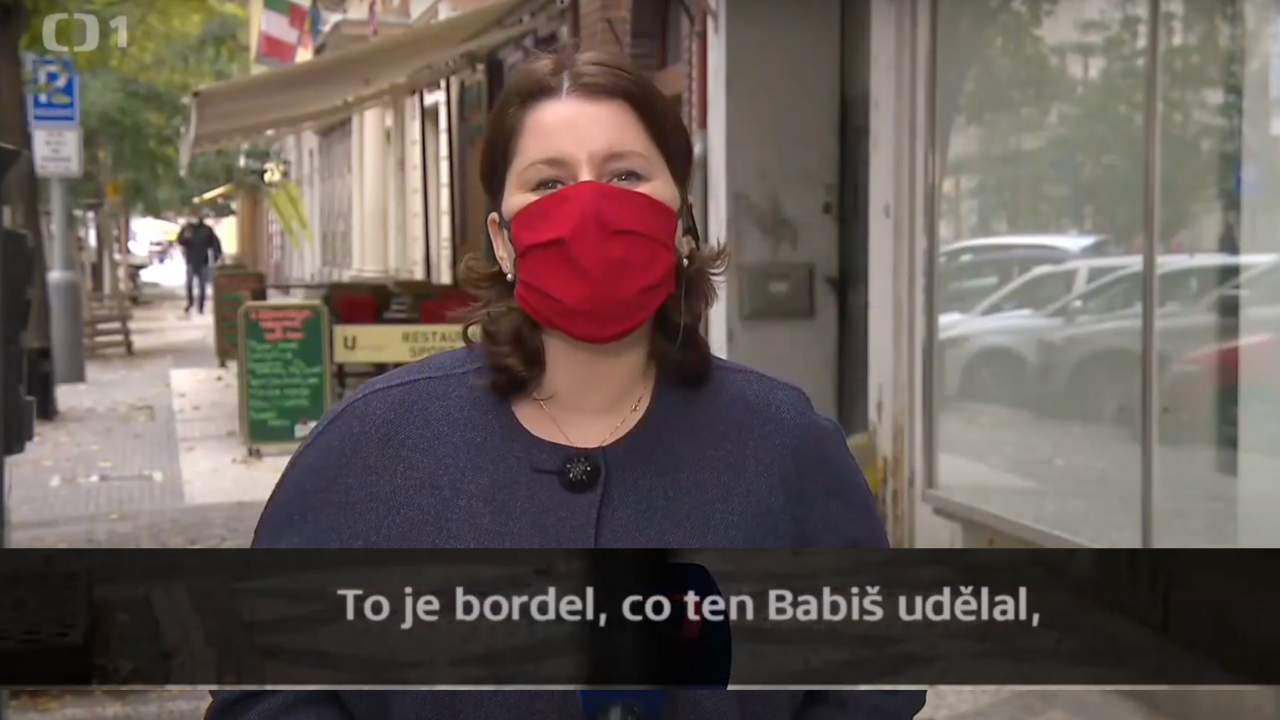
Minister of Labor and Social Affairs Jana Maláčová (ČSSD) called the Prime Minister Andrej Babiš an “idiot” during an interview with Czech Television. When she thought the camera was off, Maláčová said the current situation “it’s a mess that Babiš made. And now we all have to clean it up. He’s an idiot, I’m sorry, excuse me” There has been a long-standing tension between Maláčová and Babiš. The Prime Minister criticized the Minister of Labor, in an interview with Právo in May, when he stated that “Maláčová behaved illegally during the spring phase of the coronavirus crisis”.
According to the Minister of the Interior, "the government will wait for five, six days and then declare or not a nationwide lockdown".
The Czech Republic, facing Europe’s biggest surge in new coronavirus infections per capita, reported 11,105 COVID-19 cases on Friday, its largest single-day tally so far of the pandemic, Health Ministry data showed on Saturday. There were 1,342 confirmed cases in Prague, the second-highest increase since the beginning of the epidemic. Currently, 15,673 people are suffering from the infection in the Czech capital. A total of 236 people died. The total number in the Czech Republic has risen to 160,112, double the number seen on October 2 and more than six times the amount overall before September. As of Saturday morning, 1,283 people have died after contracting the coronavirus. In the two weeks to Friday, the Czech Republic recorded more than 74,000 cases, 10,000 more than Italy which has almost six times the population, according to the European Centre for Disease Prevention and Control (ECDC). Read: Police Will Bring a ‘Stronger Approach’ to Covid Measure Breaches Health officials have warned that the coming weeks will be difficult but said on Friday the system was not facing collapse. They estimate up to 5,000 patients will be in hospital by the end of the month, with a fifth of in intensive care. Prague...
Don’t have an account? Register
Already have an account? Log In
How Would You Like to Promote Your Business? PR ArticleDisplay bannersVideo productionNewsletter adsJob ListingsInfluencer Marketing
Your Email
We will come back to you within 24 hours with our proporsal