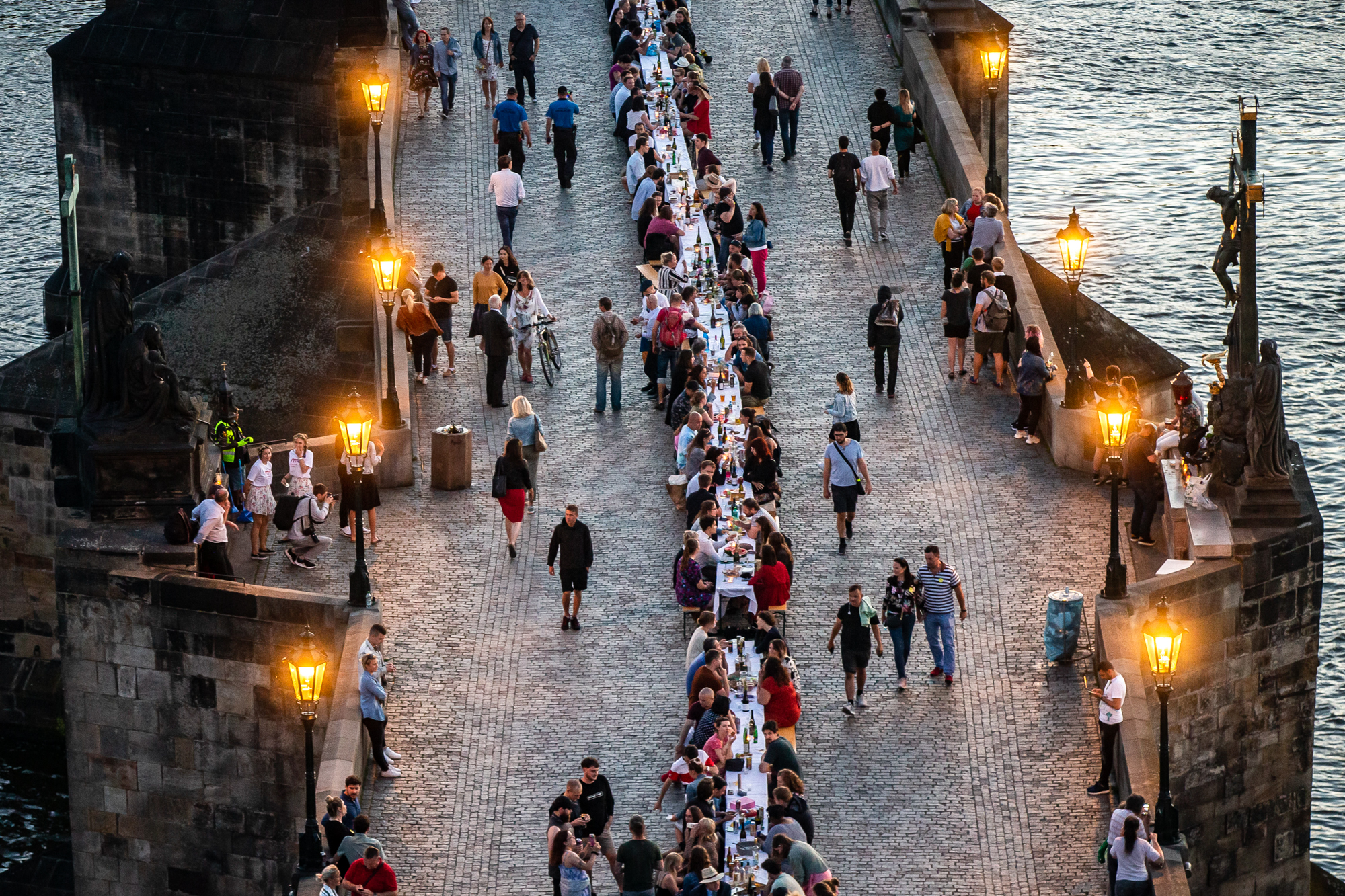
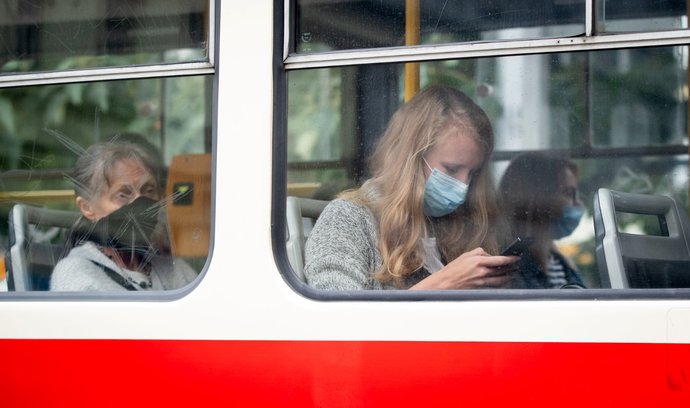
In June, hundreds of Czechs sat down along a 500-meter table on Prague’s Charles Bridge to celebrate overcoming the coronavirus pandemic with little loss of life. Three months later, the country has Europe’s second-fastest pace of new cases, hospitals are filling up and authorities are racing to catch up. In May and June, the government lifted most coronavirus restrictions whose quick imposition in March had helped the country fare much better than most in Western Europe. Bars and discos reopened, face masks largely disappeared and thousands were allowed at cultural and sports events. Regulations became some of the most relaxed in Europe. Read: Czech Republic to Limit Public Events The past seven days have seen 14,271 cases, as many as in more than four months in the initial wave. Last week, a record 3,128 new infections were reported in a single day. The number of hospital patients has risen more than threefold in September. Prague’s General University Hospital’s intensive care unit was 70% full on Tuesday, department chief Martin Balik said. His main worry was potential school closures cutting staff numbers. “When I don’t get three nurses coming to work because they have to cover for their children at home,...
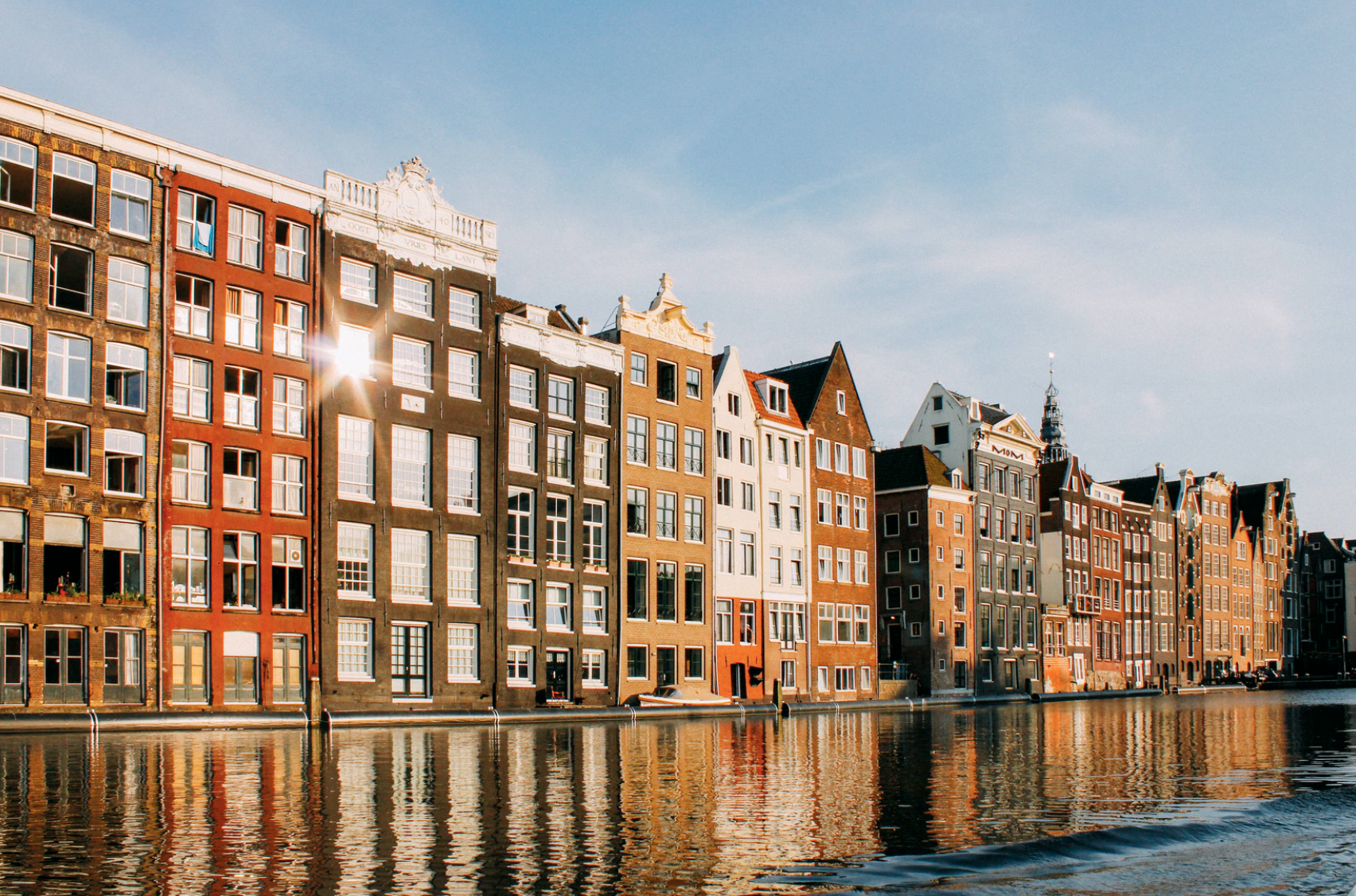
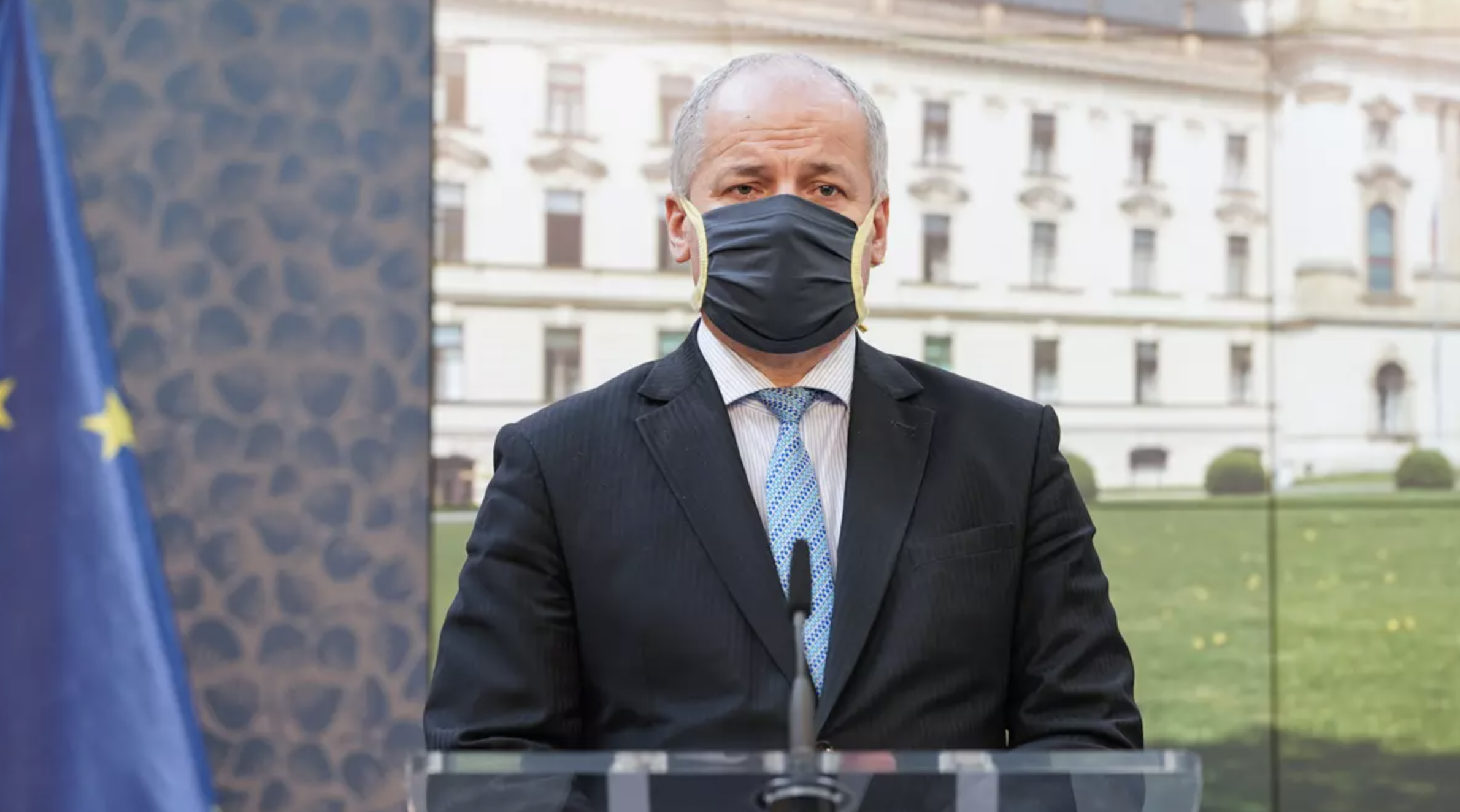
The new Czech health minister said on Tuesday tighter restrictions on bars and public events were imminent after his predecessor resigned following a doubling of COVID-19 infections in the country over the past three weeks. Health Minister Roman Prymula, in a televised interview, said closing hours for bars would be moved up to 10 p.m. from midnight as of Thursday when stricter limits on the number of participants at sporting events will also kick in. He said that limit would be set at 2,000 seated spectators, down from around 10,000. The health ministry planned to issue further details on the new curbs, to be in place for a trial period of 14 days, at 1 p.m. on Wednesday, he said. Read: Netherlands Places Czech Republic on List of High-Risk Countries The Czech Republic acted swiftly at the outset of the pandemic, closing most retail businesses, borders, and schools before many other countries in Europe. Its death toll was 522 as of Tuesday, a small fraction of the tens of thousands of victims in countries such as Spain, Britain, and France. The government lifted most restrictions in the summer, and since then the rate of infection has soared, making it the...
As of Wednesday, Czechs traveling to the country will be required to go into quarantine, even if they have a negative Covid-19 test.
Germany will probably classify the entire Czech Republic on its “red list” of high-risk countries due to a surge in the number of coronavirus cases, Foreign Minister Tomáš Petříček told Czech journalists today in Brussels. According to him, the Czech Republic is negotiating exceptions for cross-border workers. Germany already considers Prague and the Central Bohemian Region to be risky areas. Read: Europe Tightens Coronavirus Restrictions “Given the epidemiological situation and the fact that the number of new cases is significantly higher in our country than in neighboring Germany, we assume that this decision can actually be taken tomorrow (Wednesday, September 23),” said Petříček. “It does not mean that German citizens can not travel to the Czech Republic, but the federal government and the individual German Länder will probably recommend avoiding our country as much as possible,” added Petříček. Read: Czech Health Minister Vojtěch Resigns Some other countries, including Switzerland, and Denmark, have placed entry restrictions on Czech travellers or those coming from its capital Prague. The Czech Republic recorded 1,476 new coronavirus cases on Monday, the Health Ministry said. Among a total 50,764 cases reported since March, 25,425 have recovered and there were 522 deaths reported in connection with the...
Prime Minister Andrej Babiš (ANO) addressed the nation in a televised speech on Monday evening, following the spike in coronavirus cases across the Czech Republic. “After a nice summer, autumn begins and we are in a very difficult situation again. As always, I will be honest and open with you. The epidemic is back. Unfortunately.” Babiš added it had been a mistake to ease measures in summer, but at the same time his government did not wish to impose the kind of restrictions that halted the economy in spring. Babiš thanked people on the frontlines – healthcare workers, police officers, firefighters, and soldiers – for their tireless work, and outlined the following priorities. “We need to complete an integrated system with high-capacity call centers. Ensure a sufficient number of sampling points and laboratory capacity to report the test results within forty-eight hours.” “We can do it, but only together, as it happened in spring. That is why we must be responsible, and consistent in following the rules. It will be difficult for everyone,” he added. “I would also like to thank the Minister of Health, Adam Vojtěch, who announced his resignation today, for all the work he has done. He is an...
Minister of Health Adam Vojtěch (ANO) announced at a press conference on Monday morning that he is stepping down.
"There will be an increase of six to eight thousand confirmed Covid cases per day, unless we take further action. It is appropriate to consider a state of emergency," said Roman Prymula
The Ministry of Health has released a new version of eRouška, the app for mobile phones that has been developed to use BlueTooth to track all users of the app with whom you come into contact with. The new version of the application anonymously warns the user that may have met an infected person. eRouška is available for Android and iOS operating systems. Once the users give their permission to the app, phones with activated Bluetooth service can let one another know when they meet. The eRouška application then saves anonymized data into the owner’s phone about mobile devices with the same application which were recently in its vicinity. The app only records time, proximity, and anonymous identifier. It does not know the user’s location and determines the information only based on Bluetooth LE and the Apple/Google proximity protocol. Read: Czech Republic Exceeds 3,000 Daily COVID-19 Cases for First Time The new version is able to run constantly in the background and does not drain the phone’s battery as much as before. “It is an automatic tool that can help us even in the event of an extremely strong wave of the epidemic. eRouška 2.0 is a very good addition...
The Czech Republic’s new COVID-19 infections accelerated as it reported more than 3,000 cases in a single day for the first time on Friday, a day after the daily tally first exceeded 2,000. The country has seen one of the biggest spikes in new coronavirus infections in Europe, with daily case numbers topping 1,000 for the first time in September. According to Health Ministry data released on Friday, the country detected 3,130 new cases on Thursday, up from 2,137 the day before. In total, the country has recorded 44,155 cases. There are now 20,289 active cases of coronavirus in the country, with 413 people in hospital. “We have calculated the following developments from several weeks. Certainly, the situation is not good from an epidemiological point of view, on the other hand, we do not see that the mortality rate is increasing. This is good news. Risk groups do not seem to be fundamentally affected in any way,” he added. Read: Taiwan to Donate Face Mask Production System to Czech Republic “We currently have a test capacity of 22,000 a day. In spring we didn’t get over ten thousand tests a day,” Vojtěch said. He promised that the ministry still wants...
Health Minister Adam Vojtech also cautioned against larger events but did not ban them, adding no blanket lockdown measures were being planned at the moment.
The Czech Republic reported on Thursday more than 2,000 new COVID-19 cases in a single day for the first time as it battles a surge in infections that is among the fastest in Europe. The health ministry recorded 2,139 cases of the new coronavirus on Wednesday, up from a previous record 1,675 reported for the previous day. On Wednesday evening, the Minister of Health Adam Vojtěch (ANO) announced further measures to prevent the spread of coronavirus. The changes will mainly concern mass events – public and private. As on Friday 18 September from 6 pm, indoor events where more than ten people have to stand will be banned. Exceptions are exhibitions, markets, fairs, and other similar events.
On Wednesday evening, the Minister of Health Adam Vojtěch (ANO) announced further measures to prevent the spread of coronavirus. The changes will mainly concern mass events – public and private. As on Friday 18 September from 6 pm, indoor events where more than ten people have to stand will be banned. Exceptions are exhibitions, markets, fairs, and other similar events. The measure also applies to restaurants, bars, and clubs. According to the ministry, this does not mean that people wearing a face mask are not allowed to move around the space, for example, to dance. Those events where people can be seated, have to sell tickets with the specific seat marked. Read: Slovakia Adds Czech Republic on List of Risk Countries Vojtěch justified the new measure saying that “the majority of people infected with coronavirus are now between the ages of 20 and 29. We are based on the Austrian model. These events in various clubs are the source of the spread of the disease,” he added. “Inevitably the numbers in the coming days will be very similar to the current increases. ” Vojtech said. The government put the current reproduction rate of the virus at 1.59, meaning that every...
Don’t have an account? Register
Already have an account? Log In
How Would You Like to Promote Your Business? PR ArticleDisplay bannersVideo productionNewsletter adsJob ListingsInfluencer Marketing
Your Email
We will come back to you within 24 hours with our proporsal