Railway stations are increasingly being judged not only as transport infrastructure but also as public spaces shaping the start and end of many journeys. A new international ranking has now placed Prague Main Station among the world’s most luxurious. The study was carried out by the British travel insurance company Allclear and published by the Daily Mail. It assessed 20 major stations worldwide based on waiting room quality, availability of shops and restaurants, nearby hotel options, and passenger reviews. Prague Main Station shared 12th to 14th place with London St Pancras International and Antwerp Central, scoring 61 out of 100 points. Passengers highlighted the contrast between the historic exterior and the modern interior. One visitor described it as “an old-style exterior with a modern interior worth seeing when in Prague.” European and global leaders The ranking was topped by Zurich Hauptbahnhof, which scored 83 points. The station is one of Switzerland’s busiest transport hubs and dates back to 1847. It was praised for its wide range of services, high number of shops, quality lounges, and strong user ratings. Its central location with direct tram and bus connections was also highlighted. Other Swiss and Japanese stations followed closely in the upper...
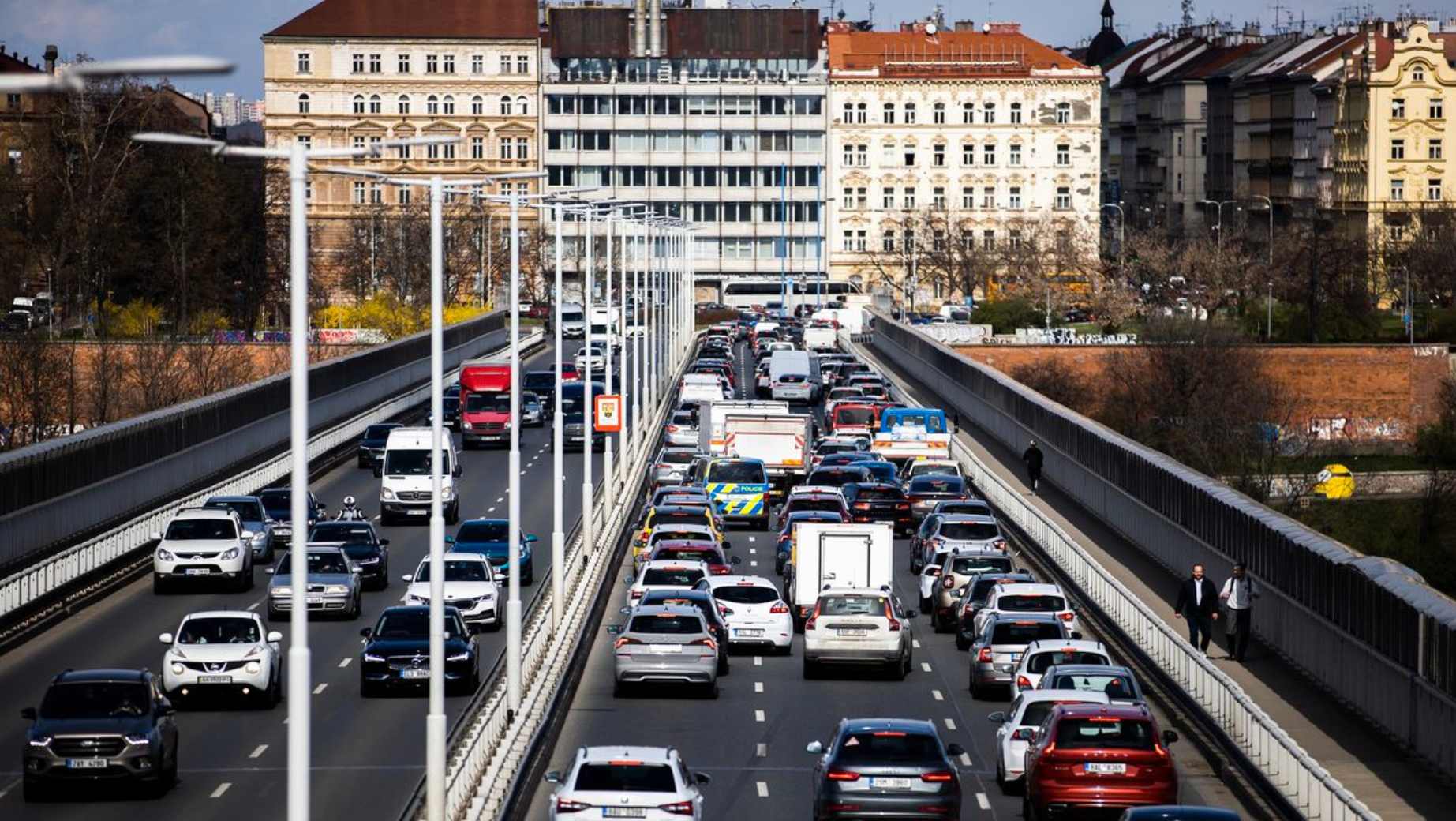
It’s a daily struggle: will there still be a spot? The question concerns finding an open parking space at park-and-ride (P+R) facilities on the outer edge of Prague. The fact that parking in the centre of Prague on a weekday is almost impossible is nothing new; the city administration has long been urging commuting drivers to leave their cars on the edge of the capital and use public transport. The goal is to take pressure off both central parking areas and the city’s congested roads. However, lately even the capacity at P+R lots and garages has started to run short. Every day, tens of thousands of vehicles pour into the city, but park-and-ride sites have capacity for only around 4,500 vehicles. For many drivers, the situation is becoming a growing source of stress. A large number of drivers, not only from Central Bohemia but also from a wide surrounding area, arrive via the D10 and D11 motorways and use this parking garage. Most spaces in the surrounding area are managed by shopping centres, making it nearly impossible to find parking anywhere near Černý Most. Occasionally, a free spot appears in the remote lot next to the garage. Driving further offers...
The Czech Republic is often presented as the country with the lowest level of poverty in the European Union. According to data from Eurostat, around 11.5 percent of people were at risk of poverty or social exclusion last year, compared to an EU average of 20.9 percent. This places the country ahead of neighbors such as Germany, Austria and Poland. In Germany, the share stood at 21.2 percent, while Austria reported 18.8 percent and Poland 15 percent. Slovakia recorded 16.7 percent. At first glance, the figures suggest a strong position. The Czech Republic has ranked near the top of this indicator for years, reinforcing the image of a country with relatively low inequality. Yet economists and social analysts say the data does not fully capture how people actually live. The Eurostat indicator defines poverty as earning less than 60 percent of the national median income. In practical terms, that threshold was about 19,090 crowns per month for an individual in the Czech Republic last year, and 24,817 crowns for a single parent with a young child. The measure also considers whether households can afford basic needs such as heating, holidays or unexpected expenses. But critics argue the method focuses too...
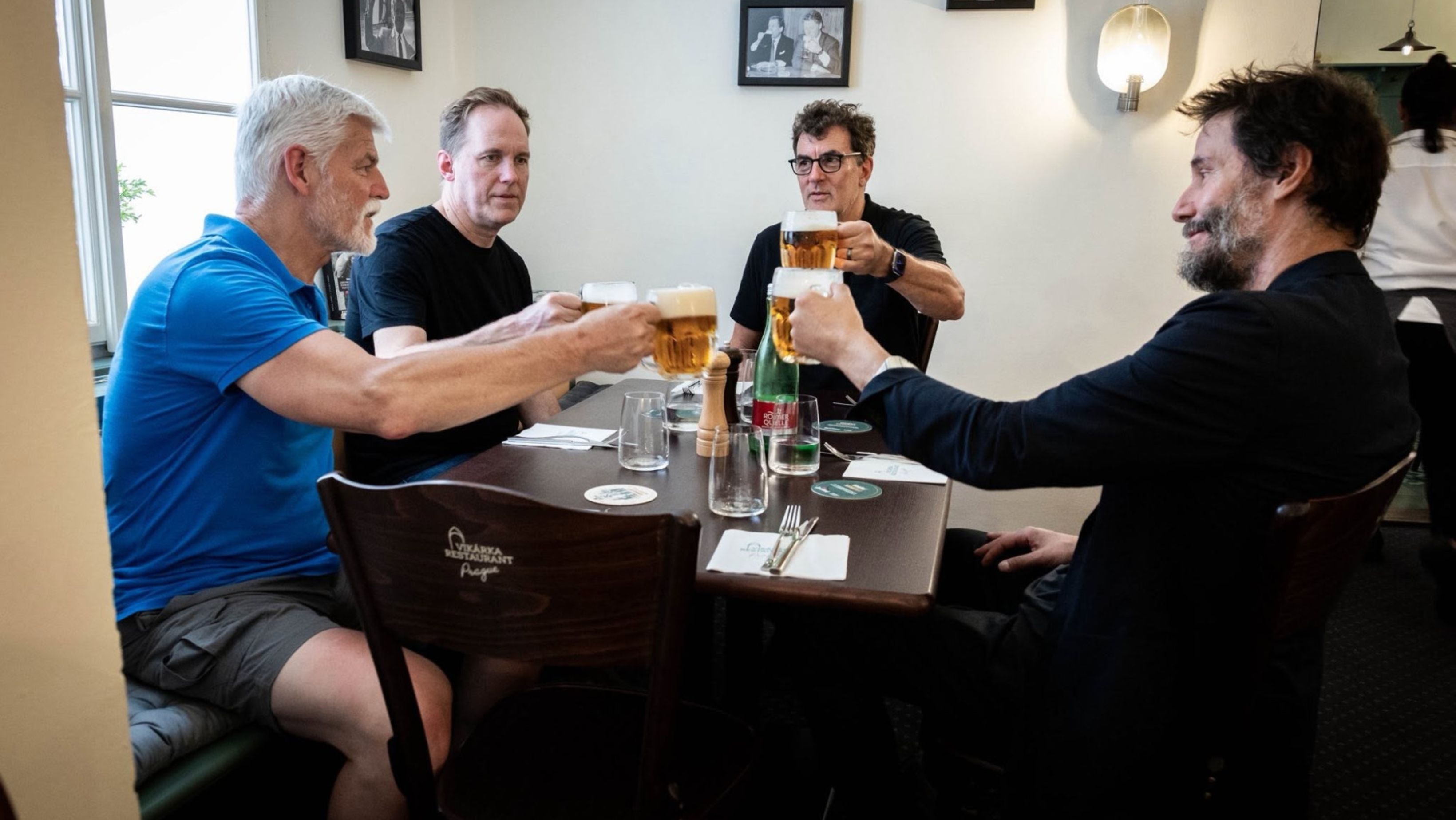
Beer production in the Czech Republic has fallen to its lowest level in 15 years, reflecting a broader shift in how and where people drink. Data from the Czech Association of Breweries and Malteries show that breweries produced 19.96 million hectoliters last year, down 4.3 percent from the previous year and well below pre-pandemic levels. Consumption is also declining. The average Czech drank 121 liters of beer last year, a drop equivalent to eight large beers compared to the year before. The figures point to a deeper change in behavior, especially among younger people. Beer is no longer treated as a default part of social life in pubs. Instead, younger consumers are choosing non-alcoholic options, fruit radlers and specialty beers. Overall consumption is lower, but more selective. Brewers say the shift reflects a growing focus on lifestyle and moderation. Drinkers are paying more attention to quality and variety rather than volume. Interest in non-alcoholic beer has risen steadily, while demand for stronger, traditional lagers has weakened. Non-alcoholic beer, once a marginal category, has become one of the fastest-growing segments. Production reached 1.68 million hectoliters last year, with consumption more than doubling over the past decade. Industry representatives say this is...
Former Czech Justice Minister Pavel Blažek has been charged amid an ongoing criminal investigation into a controversial bitcoin donation accepted by the Ministry of Justice during the previous administration. Detectives from the National Headquarters for Organized Crime launched criminal proceedings on Monday against three more people linked to the case, prosecutors said. The newly charged suspects are Blažek, a senior figure in the Civic Democratic Party, his former deputy Radomír Daňhel, and Brno lawyer Kárim Titz, who represented programmer Tomáš Jiřikovský, the man who donated the bitcoins to the state. In a press release on Monday, the Chief Public Prosecutor’s Office in Olomouc said the three are accused of abuse of authority by an official and legalization of proceeds from crime. According to prosecutors, the alleged abuse of power relates to an official exercising authority in breach of the law with the intention of giving someone else an illegal advantage. The money laundering allegations concern the transfer of assets believed to be proceeds of another person’s criminal activity, as well as alleged attempts to make it substantially harder to determine the origin of those assets. If convicted, the accused face prison sentences of between 5 and 12 years. The criminal...
On May 9, mills across the Czech Republic will open their doors to the public as part of Open Mills Day, a nationwide event aimed at bringing historic technical landmarks back into public life. The date is tied to May 13, 1116, when historical records first mentioned a mill sign in the Czech lands. Across the country, visitors will be able to enter buildings that are usually closed, explore their interiors, and see how traditional milling technology worked. Guided tours, live demonstrations, and conversations with owners and experts form the core of the program. The event connects municipalities, preservation groups, and private owners who maintain these structures, many of which are considered cultural heritage sites. The aim is not only to present their technical function but also to show them as places where people once met, worked, and exchanged news. Many locations will offer free or voluntary admission, while others charge a small fee. Programs vary, but most include demonstrations of mill mechanisms, access to restricted areas, and commentary explaining the history and significance of each site. More info here. List of Open Mills 2026 (partial) Borovnice, okr. Trutnov, replica of a German-type mill, (open 10–12 and 13–17), admission fee...
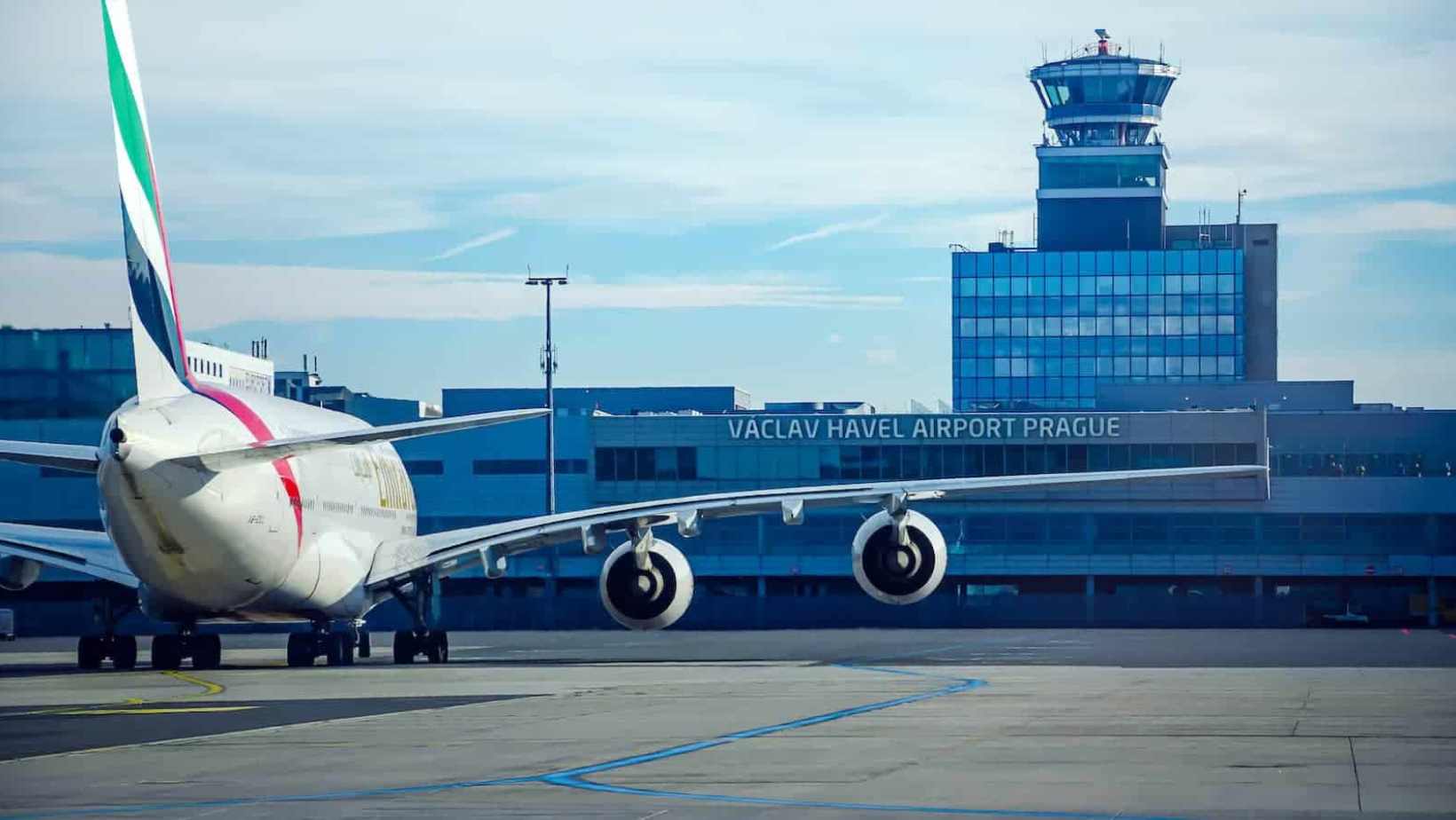
Prague’s Masaryk Station is moving into a critical stage of its long-term reconstruction, with major work now shifting to the central part of the rail hub. The next phase will focus on rebuilding existing tracks and platforms, marking a step change in the scale of construction. To allow work to proceed faster, train services from Kladno and Kralupy nad Vltavou will be redirected. From June until the end of the year, these lines will terminate at the newly built station in Bubny. Connections from Libeň and Vysočany will continue to operate without restrictions. Until now, construction has largely focused on building new platforms designed to serve future connections to Václav Havel Airport and the Kladno region. In the coming days, tracks and platforms near Hybernská Street will be removed to make space for archaeological research, where remains of Prague’s historic fortifications are expected to be examined. The temporary closure of routes linked to the Negrelli Viaduct is intended to speed up the overall timeline. Officials expect the full reconstruction of one of the city’s key railway stations to be completed by the end of next year. Once finished, Masaryk Station will offer increased capacity and modern facilities. Plans include newly...
A new private clinic in Prague is set to introduce a different approach to healthcare, focusing on prevention and long-term health management rather than treating illness after it appears. HX Clinic will open on May 11, 2026, positioning itself as the first facility in the Czech Republic built around the concept of Medicine 3.0. The model reflects a broader shift in healthcare thinking. Instead of reacting to disease, Medicine 3.0 aims to predict risks, detect early changes, and intervene before conditions develop. The approach treats health as something that evolves over time and can be actively managed using data and targeted strategies. At the core of the clinic’s operations is its proprietary HX Continuum methodology. This system brings together data from multiple medical disciplines to map out an individual’s health trajectory. Doctors and specialists assess six key areas, including cardiovascular health, metabolism, and cognitive function, then use these insights to build a long-term plan tailored to each client. The clinic’s protocols are overseen by an independent scientific council made up of Czech and international experts in medicine and research. The group is responsible for setting clinical standards and updating them as new scientific findings emerge. HX Clinic combines traditional medical...
Prague is set to mark Mother’s Day with a new kind of event this weekend, as the first-ever Mother’s Day Race takes place in Stromovka on Sunday, May 10. The 4-kilometre run is open to all women, including mothers with strollers, offering a more relaxed and inclusive approach to running. Rather than focusing on performance, the event aims to bring together movement, community, and a shared experience. The race begins at 10:00 a.m. near the Industrial Palace at the Exhibition Grounds, with around 150 participants expected. Organisers say the goal is to create a welcoming space for women at different stages of life—from pregnancy and early motherhood to those simply looking to spend the day actively. The initiative comes from SheMoves, founded by Chantelle Tuma and Barbara Blahák Adamska, in collaboration with the MotherGood community. Both groups focus on physical and mental well-being, encouraging women to stay active and connected. “This race felt like a natural way to bring movement and motherhood together in a simple and meaningful way,” said Tuma. The event also includes a charity element, with part of the entry fee going to WOMEN FOR WOMEN, a Czech organisation supporting single mothers and families in difficult situations....
During excavation work on Prague’s Metro Line D, a routine pile of extracted rock has led to a scientific discovery that is reshaping understanding of early marine life. A fossil collected at the site has been identified as a previously unknown species of arthropod dating back roughly 448 million years. The specimen was found by fossil collector Radek Labuťa among debris removed from the construction site. Though small—measuring just about two centimeters—it has proven to be of major scientific value. Researchers later confirmed it represents a new species closely related to trilobites, organisms that once dominated ancient seas. The species has been named Soomaspis labutai, in recognition of its discoverer. Unlike trilobites, however, this creature lacked a hard shell. Instead, it had a softer body covering marked by small pits, along with a distinct oval-shaped tail. Its appearance has been described as resembling a hybrid between a spider and a trilobite. According to Lukáš Laibl of the Geological Institute of the Czech Academy of Sciences, the find offers new insight into a critical period in Earth’s history. The organism lived shortly before a major glaciation event at the end of the Ordovician period, which triggered one of the first mass...
A major international exhibition dedicated to the world of Harry Potter is set to open in Prague this summer, bringing one of the most successful entertainment franchises to the Czech capital. Harry Potter™: The Exhibition will welcome its first visitors on August 6, 2026, at PVA EXPO Prague Letňany, with tickets went on sale on May 4 at via official platforms. Organized by Warner Bros. Discovery Global Experiences, Imagine, and Eventim Live, the exhibition has already attracted more than four million visitors worldwide. Prague will be its next stop, offering a large-scale, immersive look at the wizarding world as seen in the Harry Potter and Fantastic Beasts films, as well as the stage production Harry Potter and the Cursed Child. The exhibition focuses on some of the best-known moments, characters, and settings from the series, combining original film props, authentic costumes, and interactive elements. Visitors can expect a behind-the-scenes perspective on how the films were made, alongside detailed environments designed to recreate familiar scenes from the story. At the entrance, guests are introduced to the story with a display of Harry Potter and the Philosopher’s Stone, presented in a vault inspired by Gringotts Bank. From there, the exhibition moves into...
Prague’s busiest metro line could soon see a major improvement during peak hours, with transport officials preparing plans to increase the frequency of trains on Line B. The proposed changes aim to ease chronic overcrowding that has long defined the morning commute for thousands of passengers. According to the city’s Transport Service Plan for 2026–2030, trains on Line B may run every two minutes during the morning rush hour, a reduction from the current interval of roughly 140 seconds. Line B, which stretches across the city from the southwest to the northeast, consistently handles the highest passenger volumes in Prague’s metro network. Transport planners believe shorter intervals would directly reduce pressure on platforms and inside carriages, improving boarding times and overall passenger flow. Even small reductions in waiting times can have a noticeable impact when applied across the entire network. However, the proposal depends on technical upgrades. Running trains more frequently requires modernized safety and signaling systems, both onboard and along the tracks. Without these improvements, tighter intervals cannot be introduced safely. To support the increased service, some trains currently operating on Line A could be reassigned to Line B. Looking further ahead, officials are considering an additional boost once...
Don’t have an account? Register
[swpm_registration_form level=”6″]
Already have an account? Log In
How Would You Like to Promote Your Business? PR ArticleDisplay bannersVideo productionNewsletter adsJob ListingsInfluencer Marketing
Your Email
We will come back to you within 24 hours with our proporsal