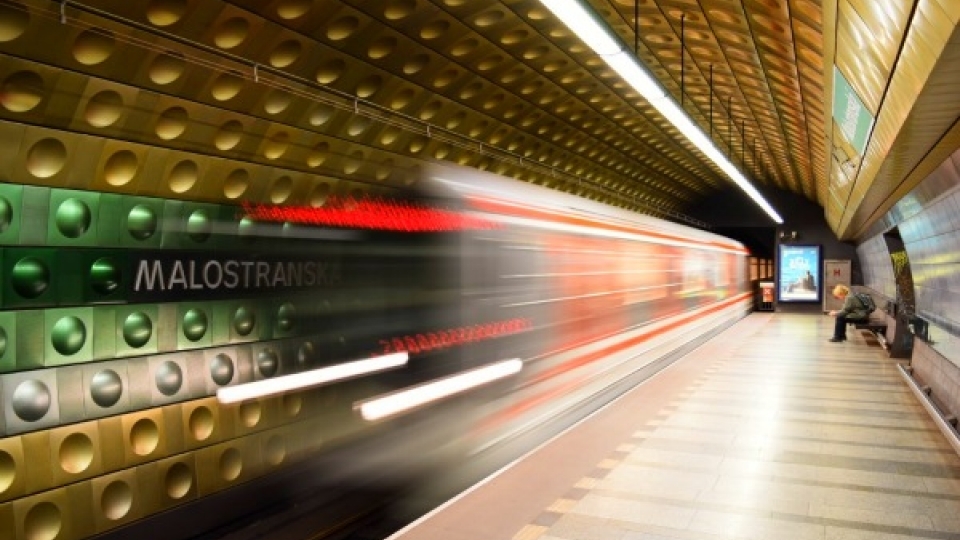
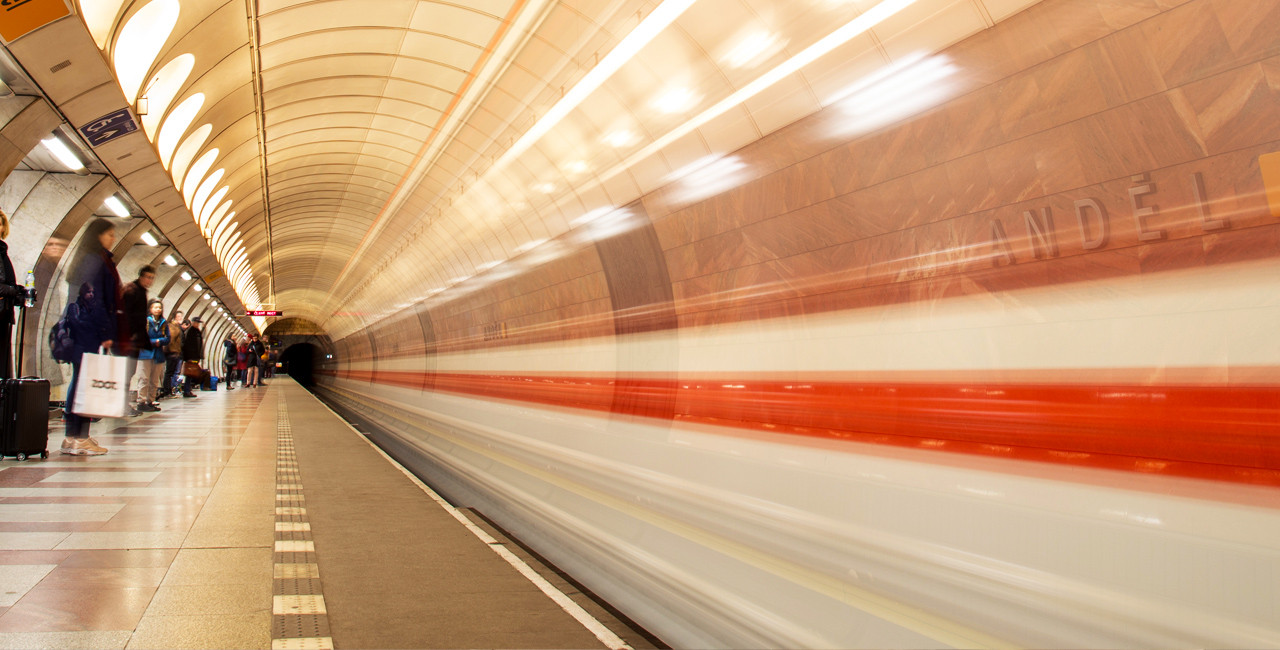
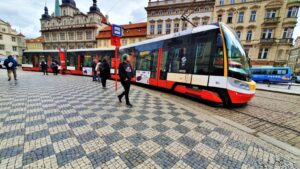
Throughout the month of January, Prague’s public transport will run according to holiday timetables, which will mean an extension of intervals, especially at peak times. The main reason is the decrease in passengers due to more people working from home during the Covid epidemic. “From today (Monday, January 3) until the end of the month, Prague’s public transport is slightly reduced by about nine percent,” said Filip Drápal, spokesperson for ROPID. If the pandemic situation improves, public transport will return to normal operations on Monday, January 31, 2022. The restriction was also made with regard to a lack of drivers due to illness and quarantine. In the metro, the intervals in the morning and afternoon rush hours during weekdays are extended by 10 to 30 seconds. Trams’ intervals are longer by one to two minutes, but only in the afternoon rush hour. Buses on the main lines will have their interval reaching 6 to 7.5 minutes on weekdays and from 7.5 to 10 minutes during the afternoon peak hours. If the pandemic improves, public transport will return to normal operations on Monday, January 31, 2022. Ticket prices rose from August 1 From August 1, tickets for 30 minutes on the city’s...
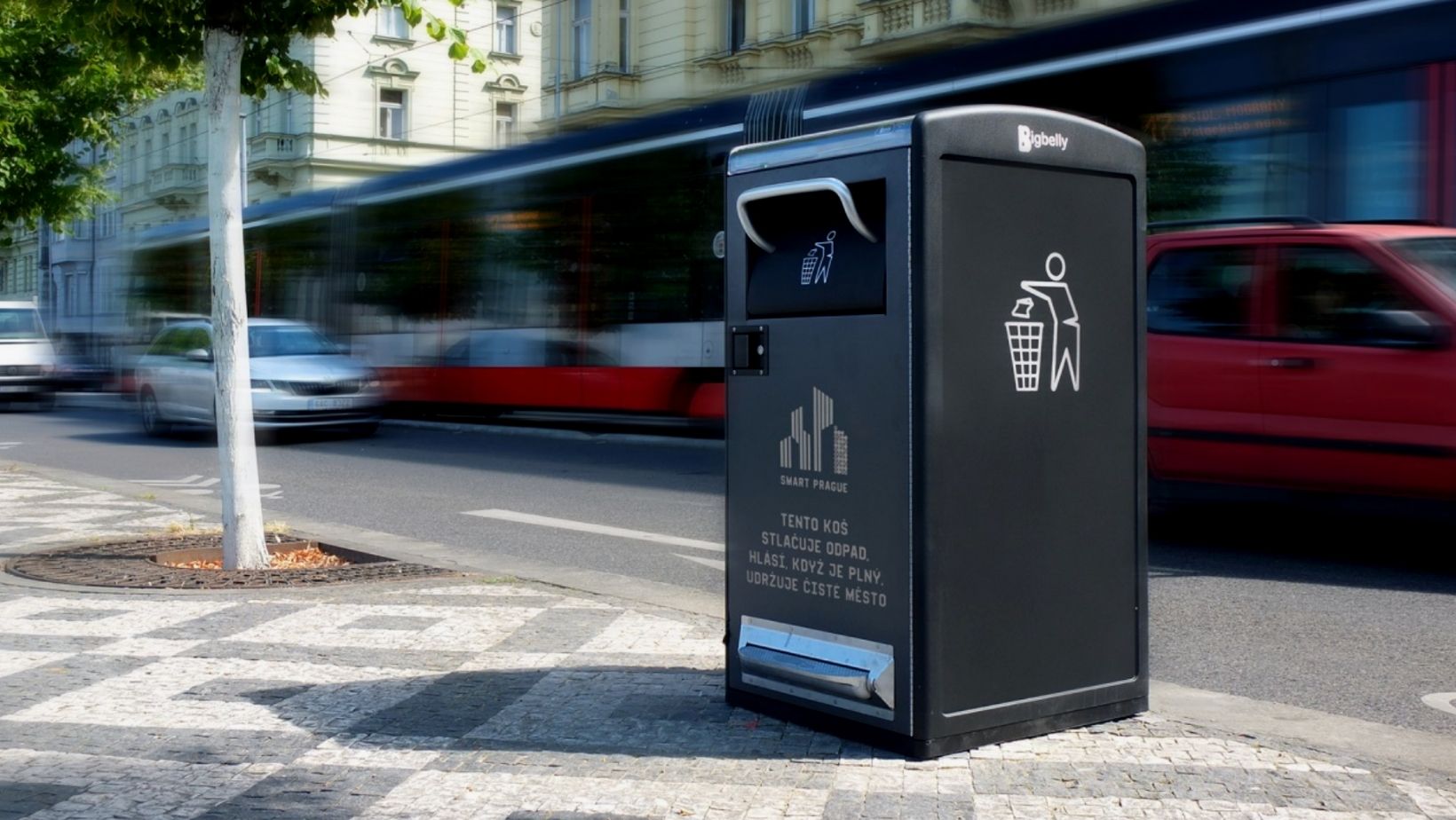
Prague City approved a new agreement with the Operátor ICT on ensuring the administration and development of a sensor network for monitoring the occupancy level of sorted waste containers.
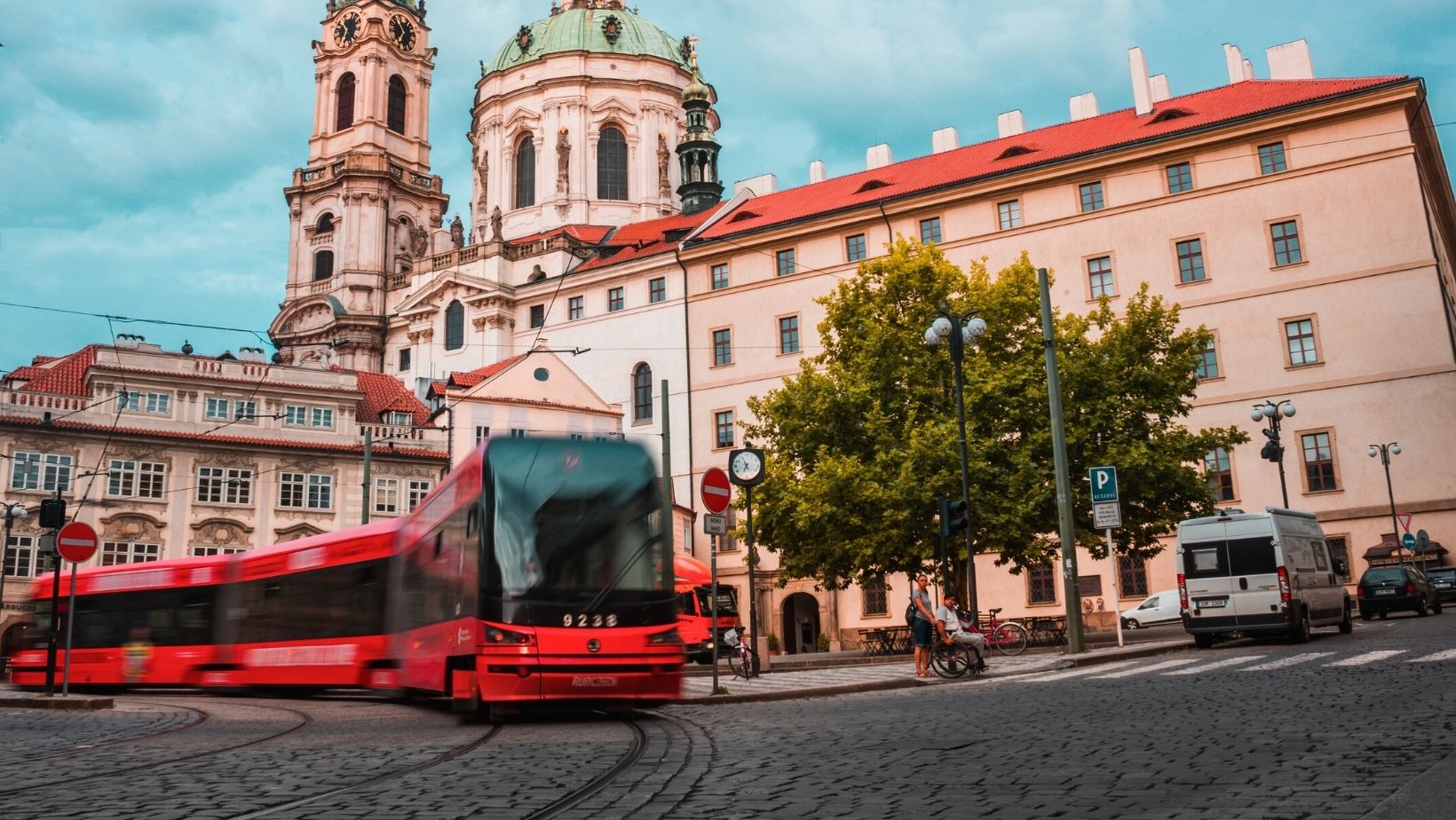
For the second time in the last 16 years, there were no fatalities between Prague trams and pedestrians.
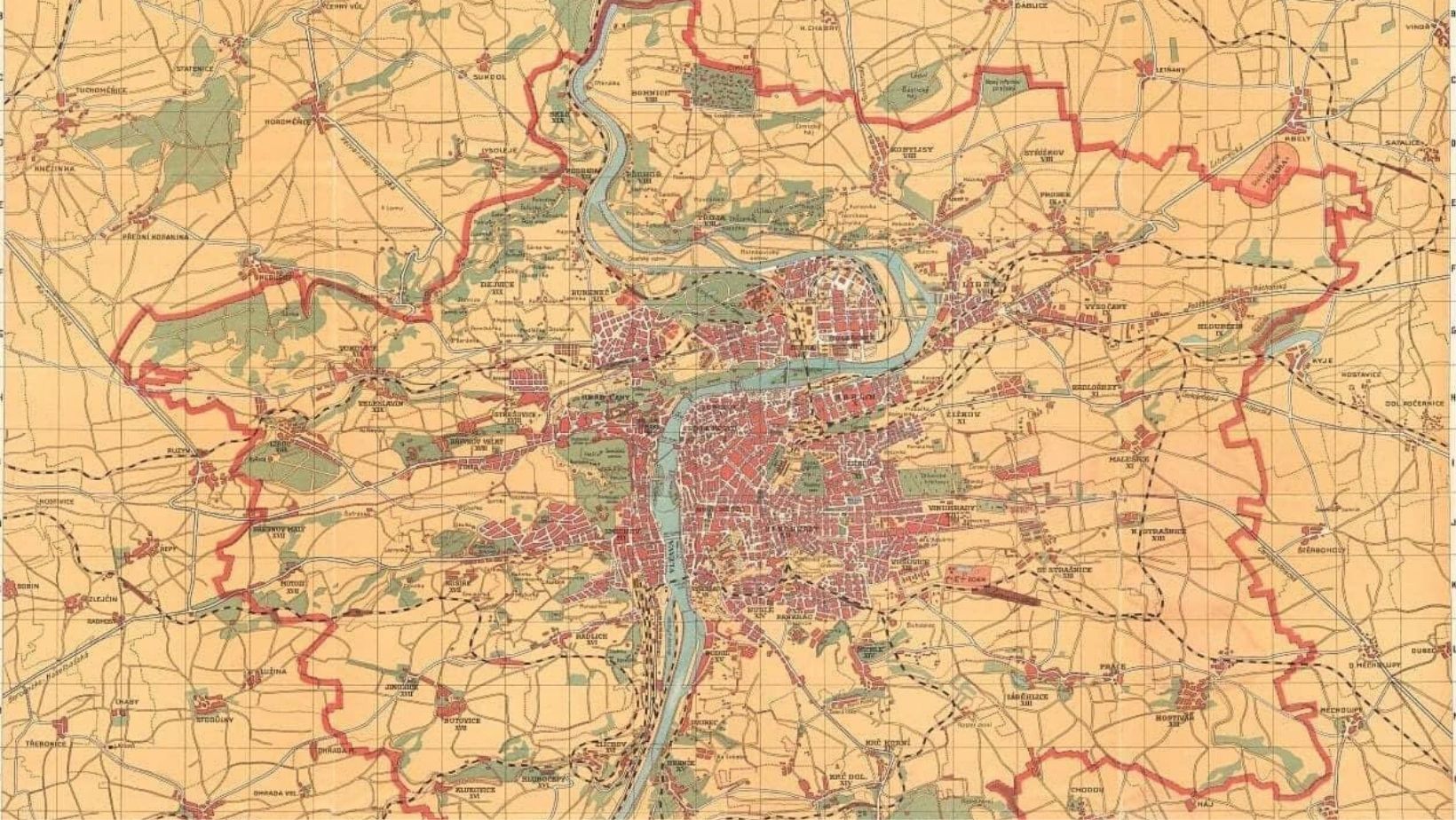
Heart of Europe – this is how Prague, is often called. The largest town of the Czech Republic is located in the centre of Bohemia, in the Vltava river valley. But how was Prague divided in the past? When we say Prague today, we see a Greater Prague which was created in 1922 when a large number of surrounding villages were connected to the original inner town. The inner town consisted of two parts, Prague I – Old Town, Prague II – New Town, Prague III – Lesser Town, Prague IV – Hradčany (castle part), Prague V – Josefov, Prague VI – Vyšehrad. Greater Prague consisted of a number of smaller or larger villages which were near to the original centre. Wikipedia again has a great map of the division of Inner Town (black), Greater Prague (dark grey), and the new parts which were connected after WW2 (light grey). Development of administrative division Although the towns of Prague formed a territorially continuous whole, they were still administratively separate. After unsuccessful attempts by Charles IV (1367–1377) and later by Jan Želivský (1421–1424) and Jan Pašek (1524–1528) to join the Old Town and the New Town, the unification of the four towns...
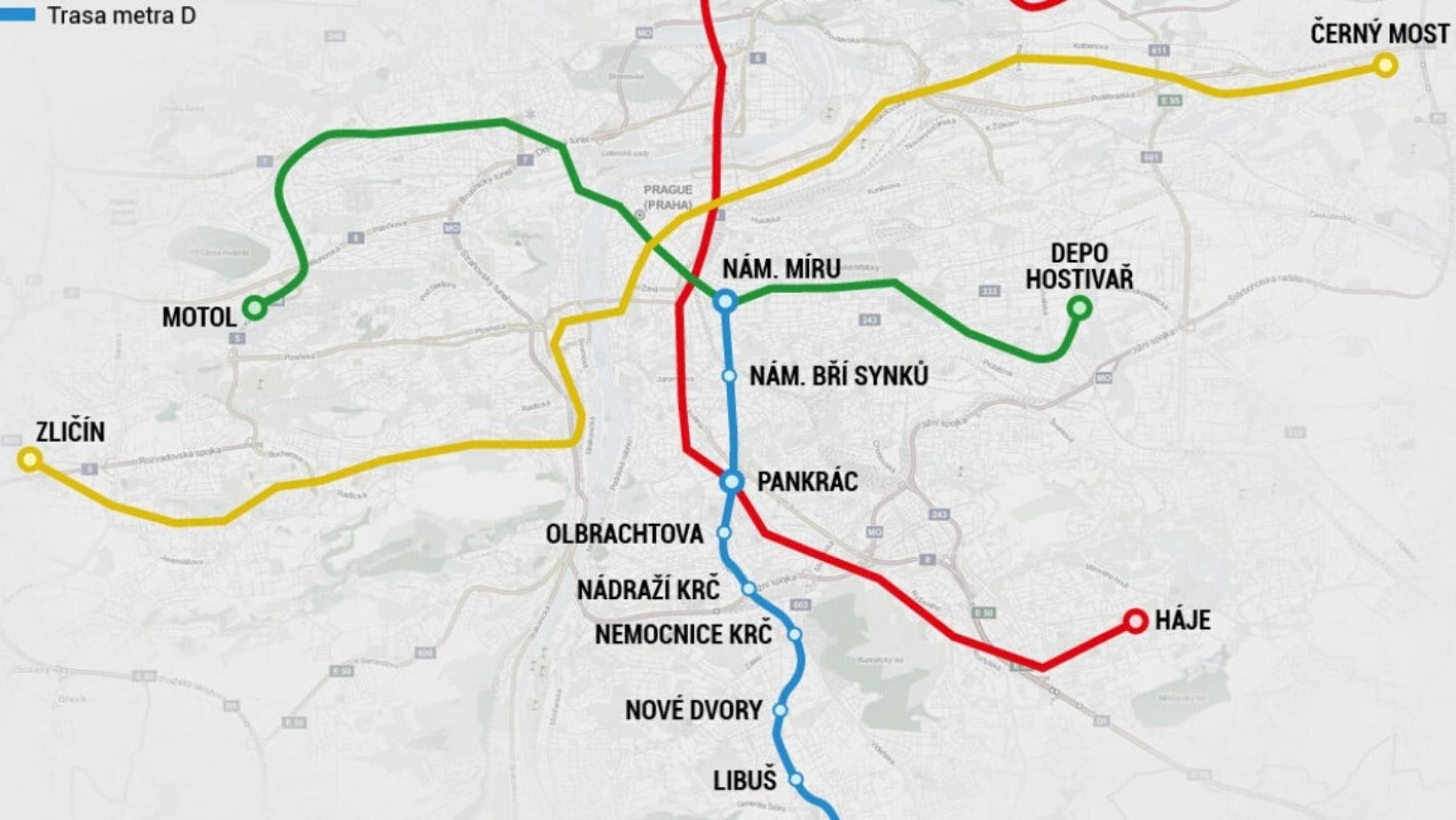
The construction of the first part of a new “D” line of the Prague Metro system will start in 2022. The line – which will feature driverless trains – will at first run from Pankrác to the as yet unbuilt Depo Písnice station in the south of the city before being extended later. At the first stage, the metro will be built between the stations Pankrác and Nove Dvory, then it will continue to Depo Písnice, and in the future, from Pankrac to Namesti miru. Largest transport investment in the country According to the City of Prague, the estimated total costs for this ambitious project will amount to approximately 52 billion CZK (EUR 2 billion). Commenting on this large sum, Deputy Mayor of Prague for transport Adam Scheinherr shared: “Metro D is currently the largest transport investment in the Czech Republic. The first section of metro D from Pankrác to Nové Dvory will cost CZK 52 billion and we will have large negotiations on financing – with banks, the EU, and the state, which normally co-finances such important urban projects abroad. I am glad that today we have won the trust of Prague’s representatives across political parties for this huge...
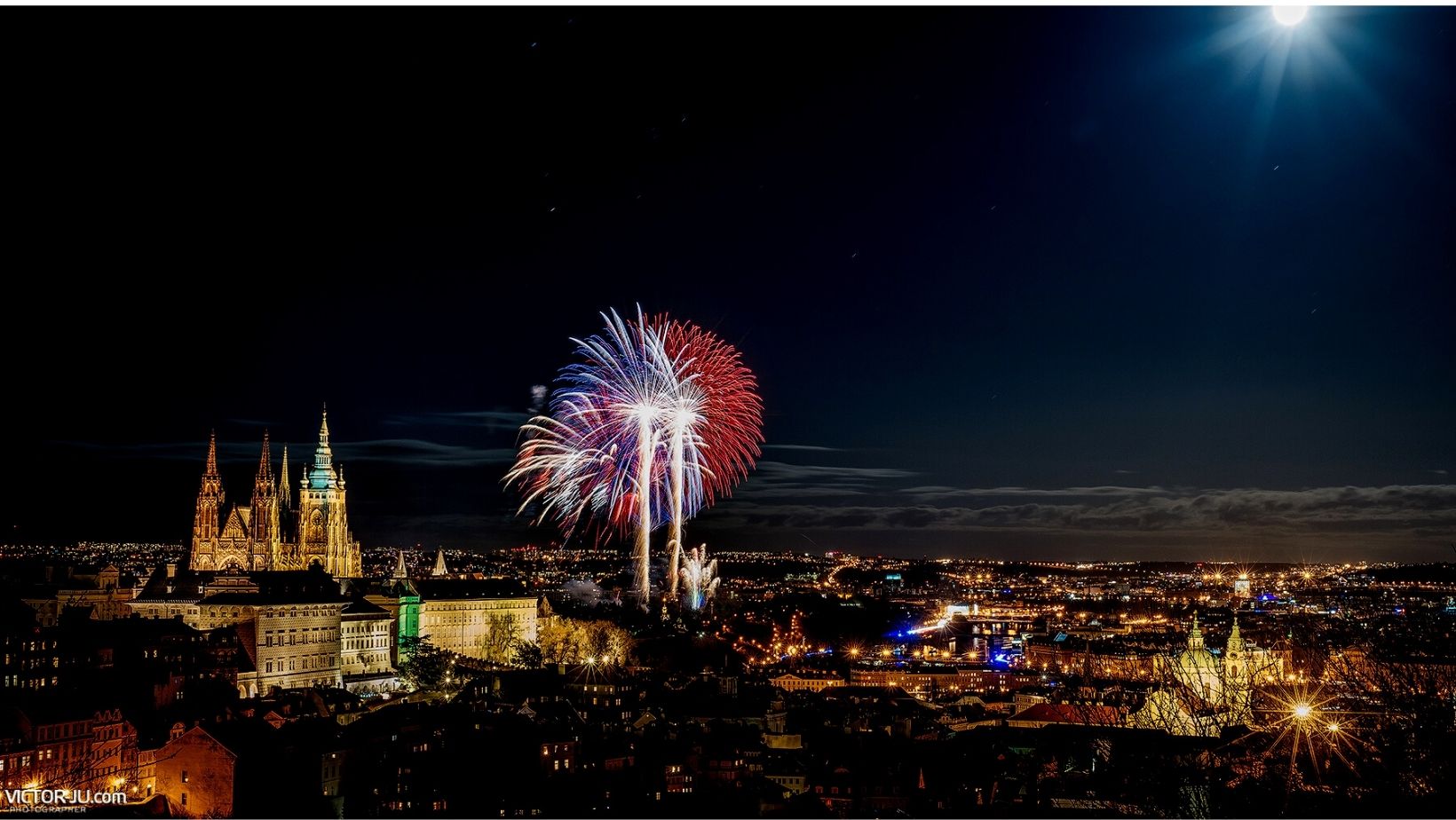
The City of Prague adopted a decree banning the use of most types of pyrotechnic items, such as fireworks and rockets.
Next year, Prague residents will pay more for water, gas and waste collection. The price for water will rise by six percent while gas will increase by 7.3 percent. Waste collection will double for some costumers. Water payments will increase by six percent to 107.72 CZK per cubic meter. There will be a higher year-on-year increase in sewerage. It means that the water price increases by about 21 CZK per person per month, on average 252 CZK per person per year. The larger price increase will be reflected in the sewerage system, which will increase by 10.7 percent to 51.84 CZK per cubic meter. As of December 31 this year, gas customers in Prague will see their bills increase by 7.3 percent. For a household with an annual consumption of 0.4 MWh, the price will increase by CZK 16. A household with an annual consumption of 4 MWh will pay an additional CZK 39, while a household with an annual consumption of 11 MWh will pay CZK 136. By contrast, Pražská energetika (PRE) does not plan to raise prices from the New Year. It last increased its prices on the first of September this year; the jump was by 7...
Dozens of hardy swimmers took a very cold Christmas dip in Prague’s Vltava river on Sunday. It was the 75th edition of the event which commemorates the life of Alfred Nikodém, who was a goldsmith and a promoter of the Spartan lifestyle. The water and air temperatures were 3.5 and -1 degrees Celsius. The swim took place under tight anti-virus measures, with swimmers getting tested for Covid-19 and having to wear masks when not swimming. Swimmers from the Czech Republic, Slovakia, Poland, Germany, Britain, Austria, the USA and Russia took part in the competition. The competition takes place between two islands, the Slovanský and Strelecky islands. Along the entire route specialists observe the race and are ready to act if they detect hypothermia in participants. As participants completed the races, they dried off on the Slavonic Island where the prize ceremony took place in the Renaissance Zofin Palace. Last year, the race took place despite anti-pandemic measures. The water was 5.8 degrees a year ago, the air temperature was 1.8 degrees. Also this year, only those who have recovered from Covid-19, who are vaccinated or, have submitted a negative PCR test, could participate. Winter swimming was first seen in Prague...
129,440 new flats are now being built in the capital. However, less than 50,000 have entered the approval process. More than half of the flats will be built in Prague 9, 5 and 4, where there are a large number of brownfields. In Prague 9, the prices are the lowest thanks to a larger offer and competition. Compared to the previous half of the year, the number of new flats in preparation increased by more than six thousand and more than 50 percent compared to five years ago. In the last 10 years, only 2,900 flats in apartment buildings have passed through the permitting network every year. This year, the authorities have approved a record 5,952 flats, the highest since 2007. However, in order to improve the availability of housing, it is necessary to permit at least 10,000 flats a year. “Currently, the total value of all prepared projects reaches almost 1.2 million crowns. If they got the green light, the state would have at least CZK 155 billion in VAT alone. Accelerating the permit would therefore not only help solve the current housing crisis, but it is also in the great economic interest of the state,” says Central Group...
The Prague Public Transit Company (DPP) and its partners O2 Czech Republic, T-Mobile Czech Republic, Vodafone Czech Republic and CETIN are proud to announce that the deployment of the 4G LTE mobile network is now complete in all 61 stations and 63 km of tunnels that make up Prague’s metro system. 180 Minute Installation Window All work on the installation of the LTE network has had to take place during regular nighttime subway closure times, which last for approximately three hours. However, network installation couldn’t be done every night as priority has to be given to essential reconstruction and repair work to stations and tunnels plus all of the other activities necessary to maintain the full operability of the metro system. To install this special radiating type of coaxial cable, it was first necessary to drill and insert plastic clips into the tunnel walls. These plastic clips are used instead of metal ones in order to eliminate the risk of signal interference. Up to 2,748 Meters between Stations The speed with which the new LTE network can be installed between stations has been highly dependent on the amount (length) of cable that needs to be installed. The shorted section of...
What will this year’s festive timetables be like in Prague? They will basically not be much different from last year’s. Christmas Eve, 24 December – Prague public transport will operate on a Saturday schedule with the end of the daily schedule at 18:00. From this time on, the metro will start running at extended intervals of 20 minutes. The last trains from the terminal stations will leave as usual at midnight. Trams and buses in the evening and at night (from 18:00 to 07:00) will run at intervals of 30 minutes (except for bus 119). The last departure of the funicular at Petrin will take place at 17:00. December 25 and 26 – All public transport will run on a Sunday schedule. Daytime buses and trams will hit the streets at 07:00 am (route 119 earlier at 04:30). Bus routes 143 and 187 are canceled. December 27-30 – public transport will follow the “vacation” (prázdniny) timetables, which is valid during school holidays. Trams 4 and 21 and the bus 187 will be canceled. Tram 16 will only serve the Kotlářka – Ústřední dílny DP section. December 31 – transport will go on a special “vacation” (prázdniny) schedule. Trams 4 and...
The Constitutional Court rejected the complaint of the Segway Association of the Czech Republic, which fought against the restrictions. The court did not find a violation of the complainant’s fundamental rights. The Constitutional Court has upheld a ban on the use of Segways in the historic centre and other parts of Prague put in place in the summer of 2017. In August 2016, Prague City banned Segway vehicles in its historic center, after residents complained the two-wheeled electric vehicles were clogging streets and unsafe. A few months later, authorities installed more than 600 signs making it clear where exactly you can’t ride a Segway. The association, therefore, filed a constitutional complaint, arguing that Segways are not dangerous and that collisions with pedestrians neverd occurred. Rental operators have previously criticized the municipality for “malice” and “prohibition.” Local police officers can fine tourists violating the ban up to 2.000,- CZK. Obviously a lot of local segway rental services have already closed, because the restricted area is basically the whole city center, including Old Town, New Town, Hradcany, Lesser Town, Holesovice etc. The ban applies not only to pavements but also bike lanes and streets. The Czech Republic Segway Association had argued that...
Don’t have an account? Register
Already have an account? Log In
How Would You Like to Promote Your Business? PR ArticleDisplay bannersVideo productionNewsletter adsJob ListingsInfluencer Marketing
Your Email
We will come back to you within 24 hours with our proporsal