By Tony O. Quentin Tarantino’s “Once Upon a Time…in Hollywood” taps into the myth of Hollywood in Los Angeles in the mid-late 60s as an idyllic oasis, but it likely was as he shows it for the hippest filmmakers, the grooviest bands and their groupies, etc. The LA bands of that era and its milieu are thus still influential and most obviously in the group Allah-Las, from LA of course, as carriers of the torch. Allah-Las are playing at Lucerna Music Bar for a night of mid-60s LA good vibrations if you seek it. The LA bands that live on, or at least deserve to live on, include most importantly The Byrds, Love, and Spirit as early and obvious influences of the Allah-Las for that lighter psychedelic rock sound. The Allah-Las are Miles Michard (vocals, guitar), Matthew Correia (percussion, vocals), Spencer Durham (bass, vocals), and Pedrum Siadatian (lead guitar, vocals), and their self-titled debut album in 2012 best captures the “60’s LA sound,” a laid-back vibe that good Southern California living still may have to offer in its shady labyrinth of smaller houses and cottages in the hills above the sprawling city. This life is harder to find as developers...
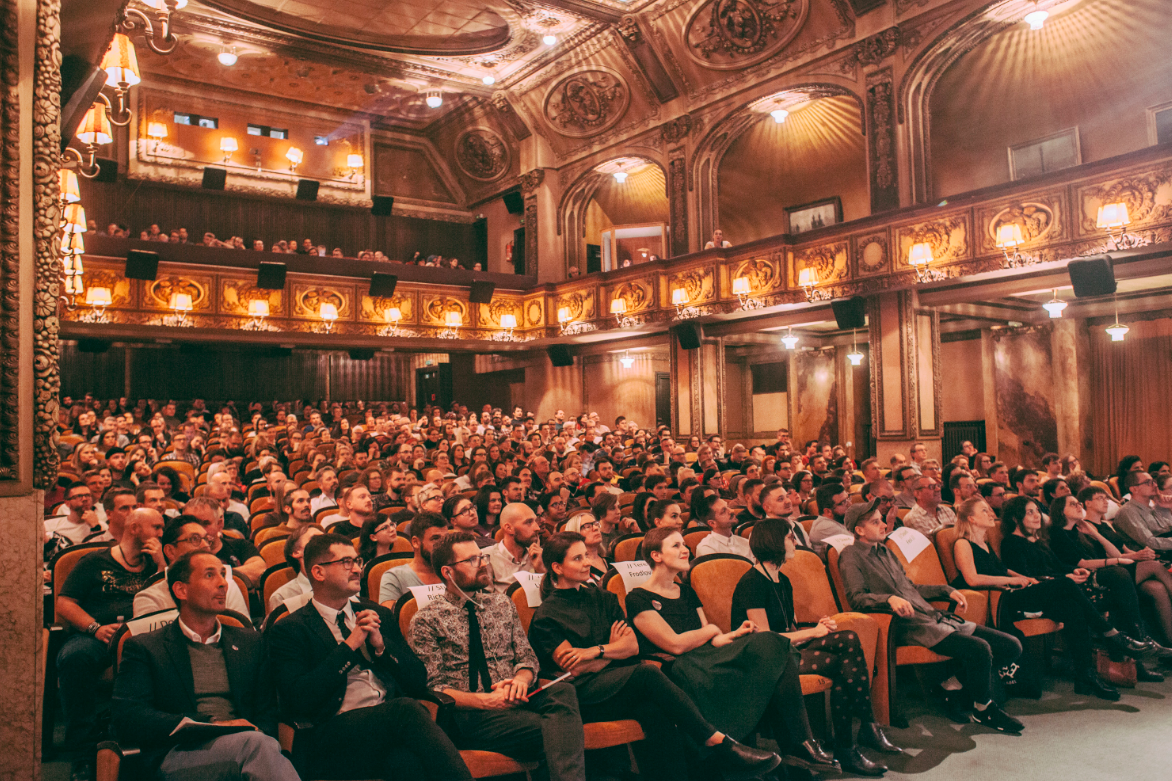
Mezipatra Queer Film Festival, the biggest and most successful queer film festival in Central and Eastern Europe, will take place in Prague between the 7th and the 14th of November. It will then continue in Brno until November 22nd. For twenty years, it has brought the best feature films, documentaries and short films with LGBTQ+ topics. The festival will take place in Lucerna, Světozor, Kino Pilotů and Kino 35. The passes can be purchased in Prague and Brno in the box offices of Světozor, Lucerna and Pilotů cinemas, or online until October 15th, for the price of CZK 590 (you get to see seven films for the price of five) or CZK 120 per screening. This year’s twentieth edition theme is “Winds of Change” and will be the first time in history there will be an international industry program for all viewers interested in the inner working of the queer film industry. This section is called “Queering the Industry”, and you can attend it either if you are a film professional or a festival visitor. It will consist of several discussions with experts about the current problems and challenges in the film industry, masterclasses of renowned filmmakers, and short films...
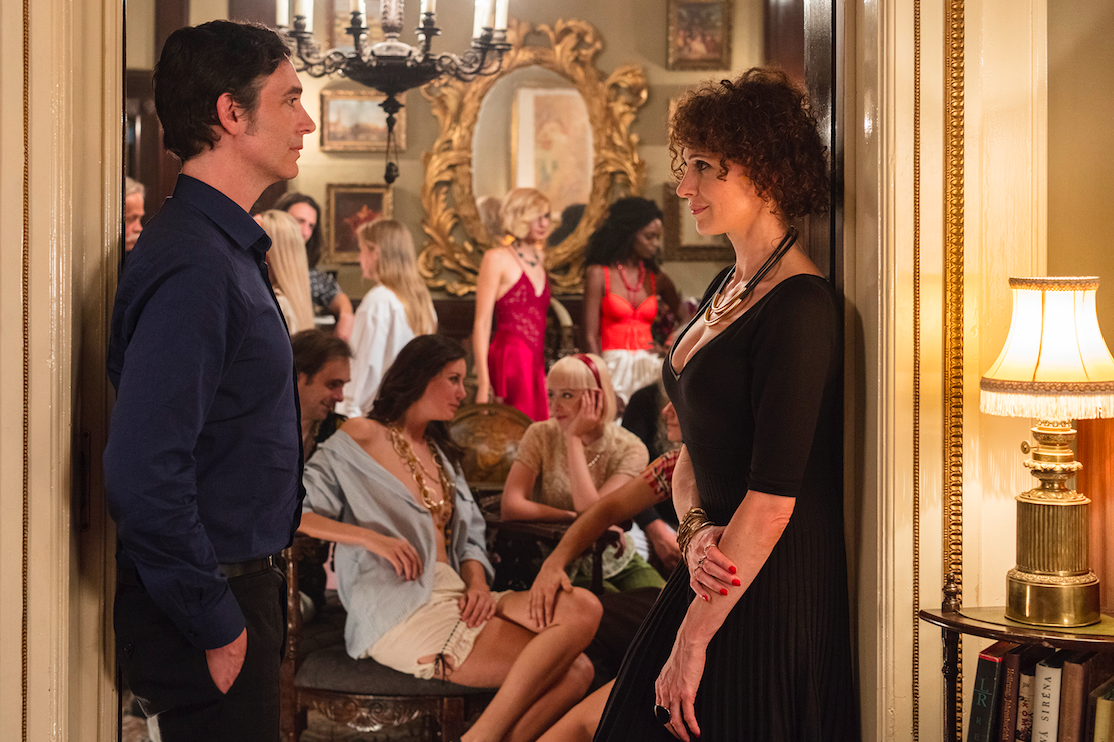
The director Irena Pavlásková just finished her film The Prague Orgy based on a novel of the same name by a literary legend, Philip Roth, one of the most respected writers in the world. It is the first time in Czech film history that the Czech artist was granted rights personally from such a world-wide famous artist, winner of Pulitzer Award, Man Booker Award, and many other literary awards. It will premiere in Czech cinemas today (Thursday, October 10th) The story The story of The Prague Orgy brings us to mid-70s. A famous American writer Nathan Zuckerman – often used alter ego of Philip Roth himself – arrives in Prague to save a manuscript of a banned book. Thanks to searching for the manuscript he gets to know a peculiar and wild Olga and gets into renowned parties where everyone has his or her own way how to escape to short-term freedom. Zuckerman is attracted to the eccentric woman by her mysteries and is scared by her shameless openness at the same time. Gradually, against his will, he becomes not only a spectator but also a participant of a decadent spectacle, where many people play a false game and no...
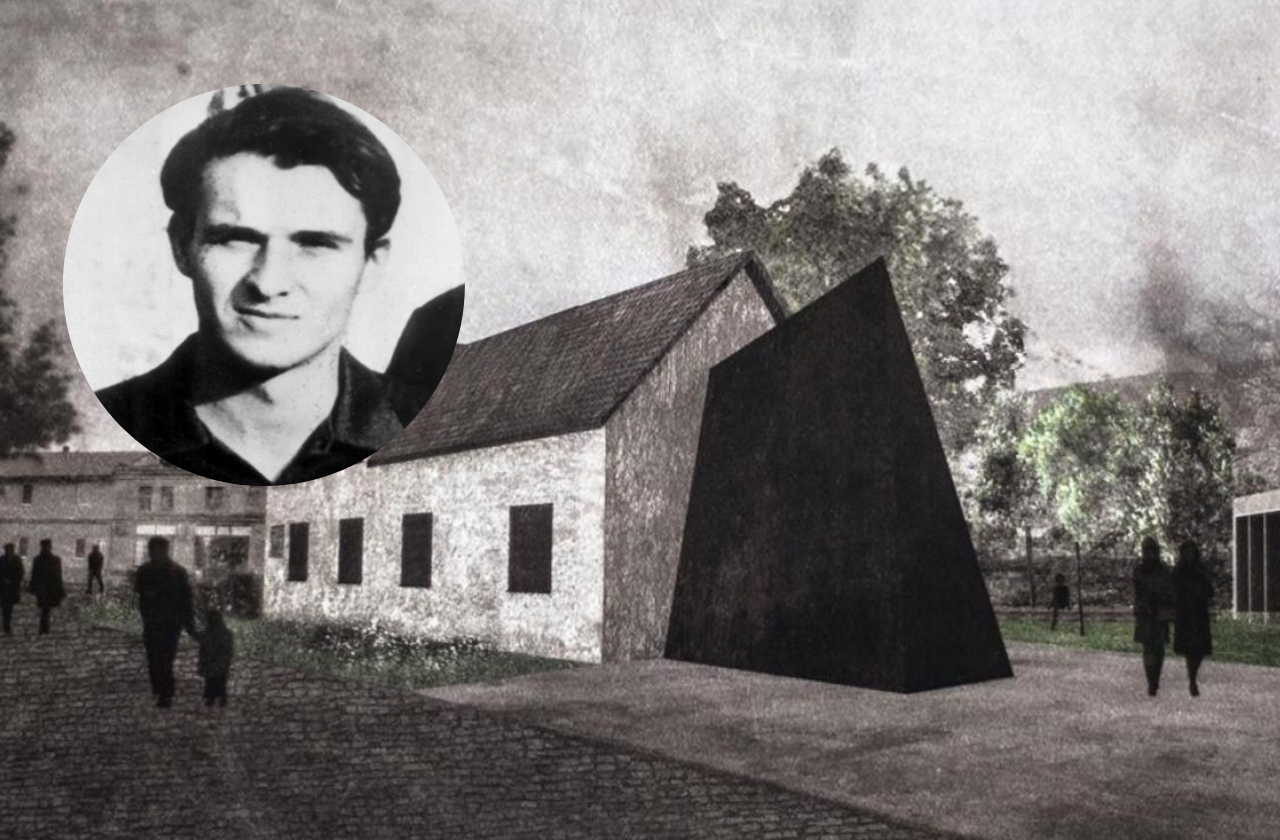
The house where Jan Palach grew up in Všetaty officially opens today as a memorial featuring a multimedia exposition. The opening ceremony was attended by the minister of culture and Cardinal Dominik Duka. The house was purchased in 2014 and was in poor condition due to it being uninhabited for many years. An architectural competition was held to find a plan to renovate the building, and a design was chosen in May 2016. The National Museum got a building permit in early 2018 but had difficulty finding a contractor for the amount of money offered. One was finally chosen and work began in August 2018. The house will contain objects from Palach’s life as well as displays to put the events of 1968 and ’69 into context. Among the items is Palach’s briefcase, which was found on the spot where he set himself on fire, and a letter found within it. January 16, 1968 Jan Palach had seen the hope of Dubcek’s promise of a better life and it must have been hard when this hope was crushed. He and others like him were sure to protest but about what? In the case of Jan Palach, it was not to...
Prague ranks #3 among the 50 most cultured cities in Europe and number one in Central Europe.
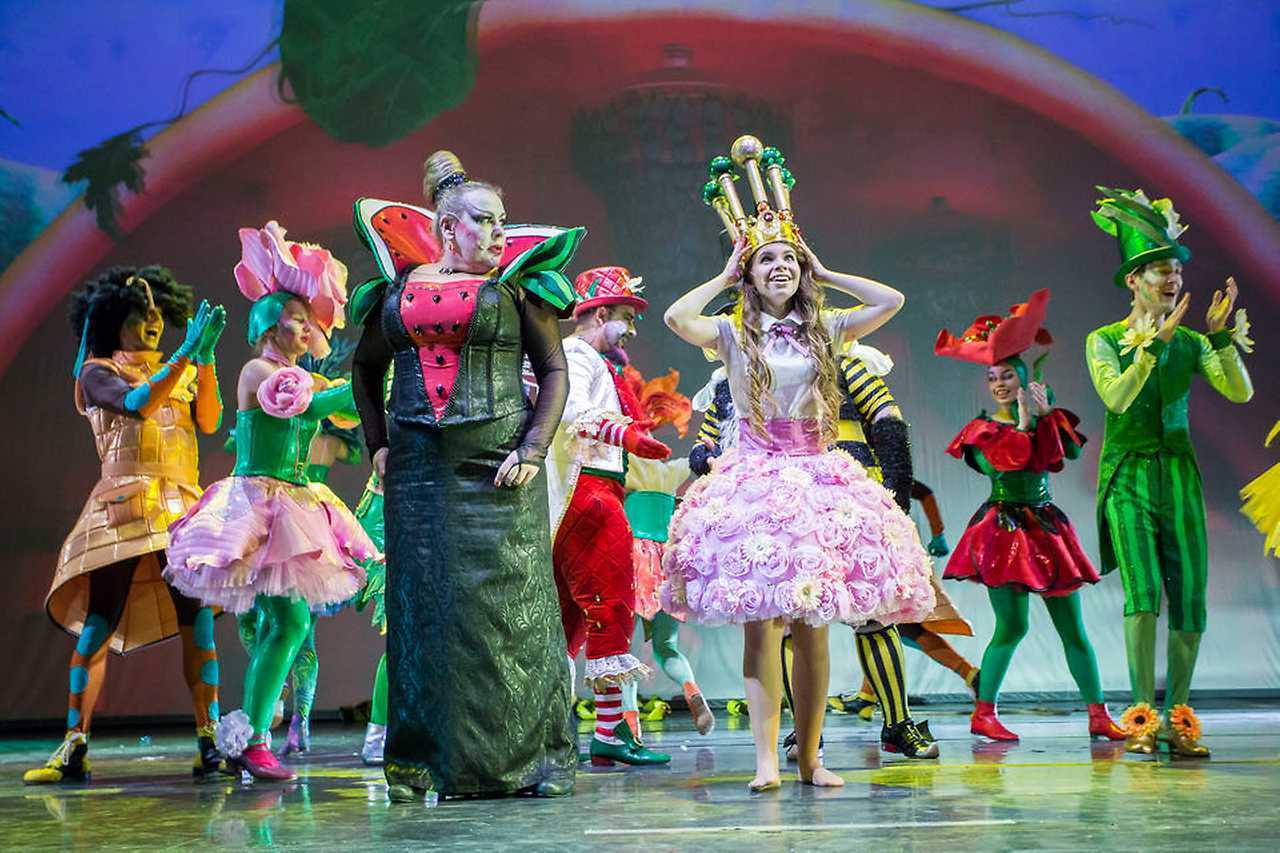
"Alice in Wonderland" is a family musical with the use of 3D glasses. The show takes place in Prague from the 18th to the 20th of October.
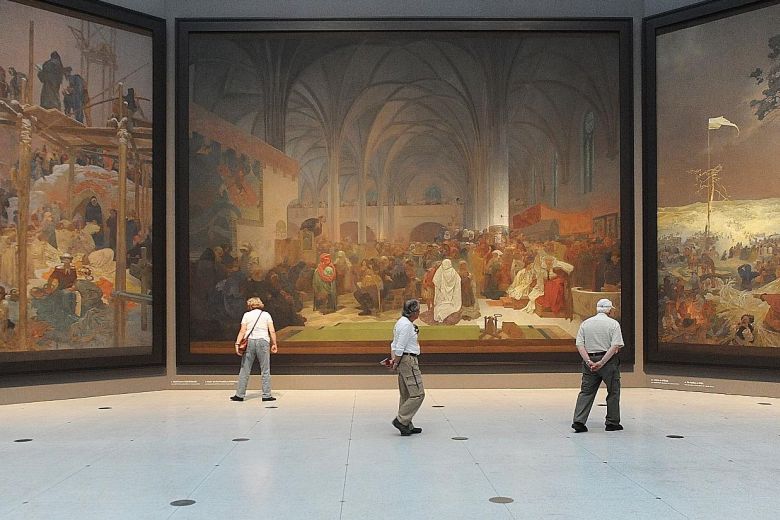
The Slav Epic cycle of paintings will be exhibited at Moravsky Krumlov chateau in southern Moravia for at least five years.
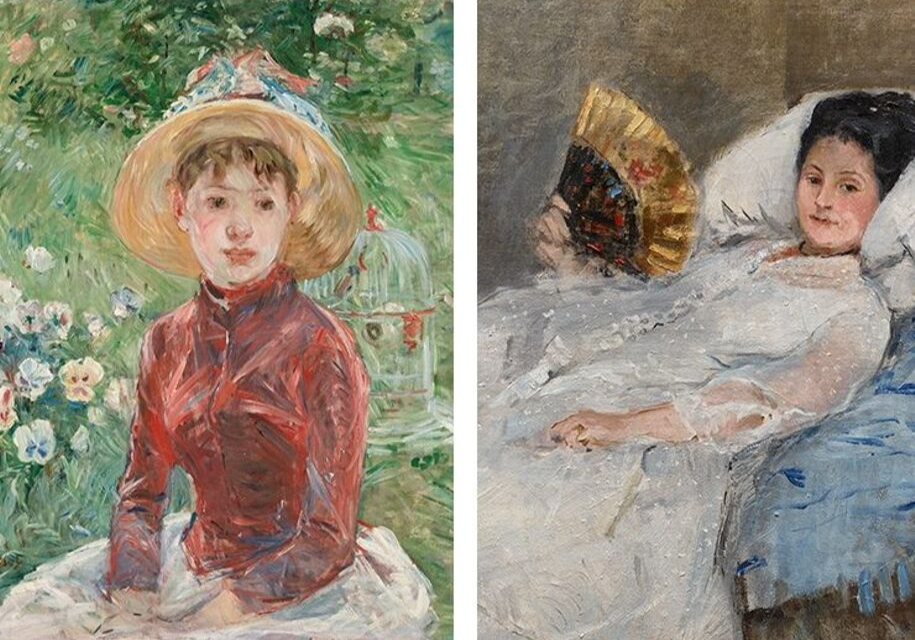
The National Gallery Prague (NGP) opened a large exhibition French ... Auguste Renoir, and Camille Pissarro on June 29 in the Kinsky Palace.
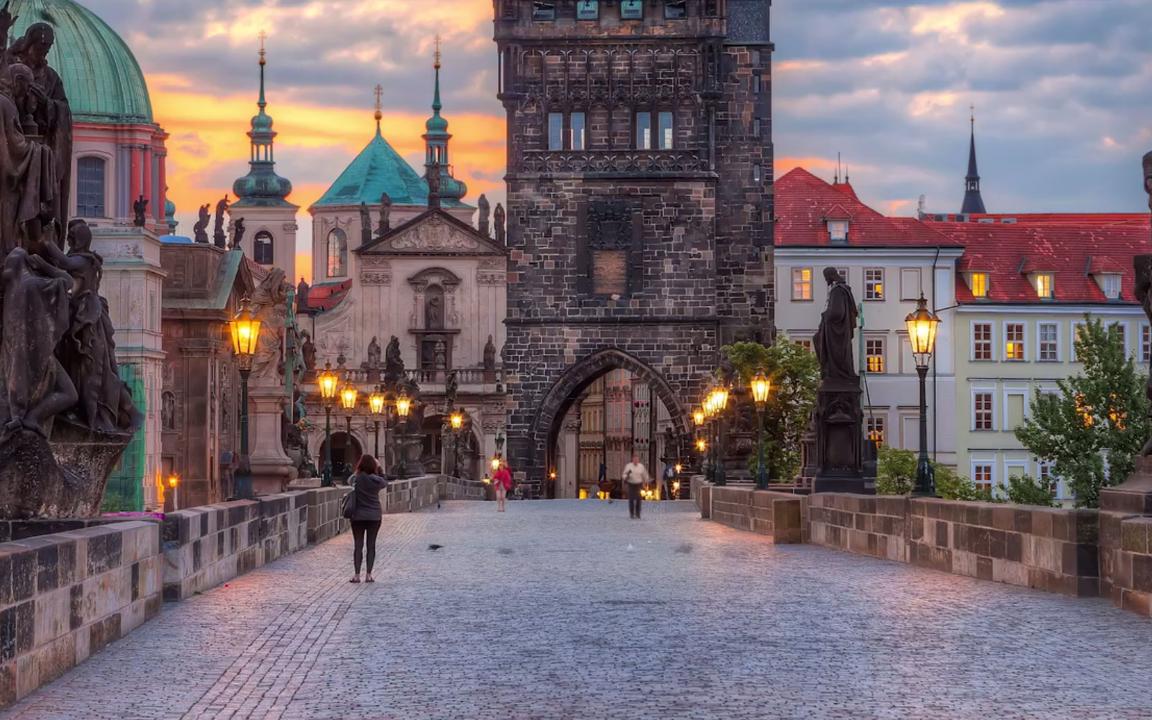
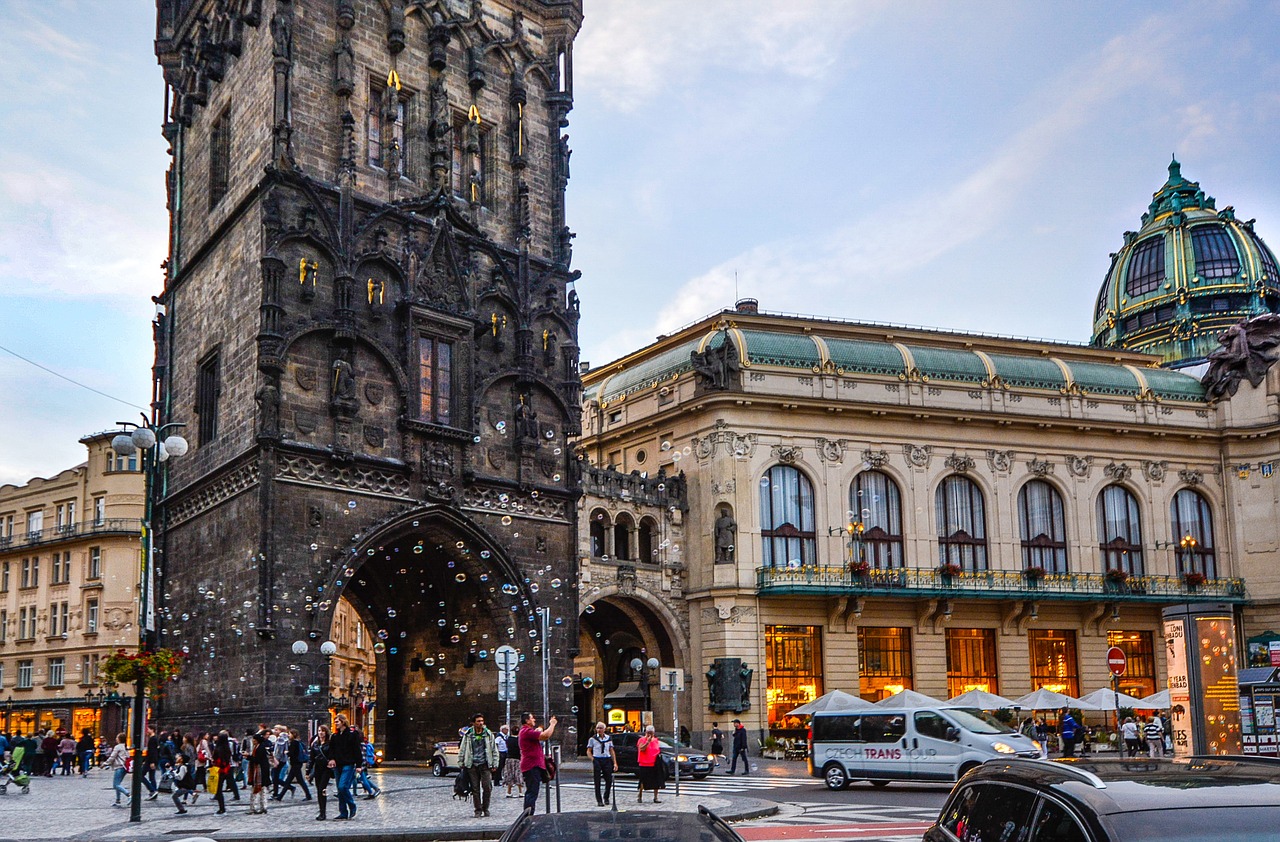
The 15th-century Powder Tower in Prague centre will undergo a thorough reconstruction next year.
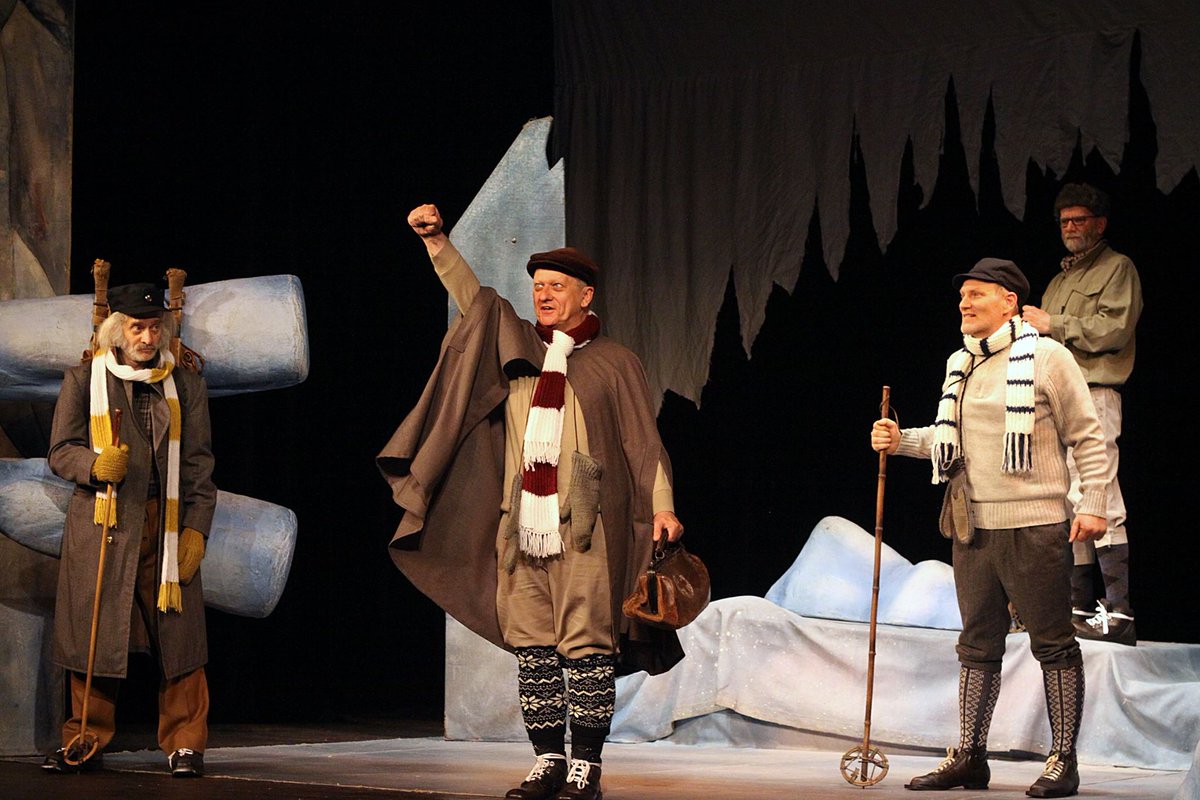
Well, you have to be lucky to visit this theatre and see the play performed in English. However, it is my most favorite cultural gem of Czech Republic – Divadlo Jary Cimrmana (Theatre of Jara Cimrman) and I cannot keep this a secret from you. Two years ago a group of English-speaking theatre enthusiasts took it upon themselves to translate the genius of the most famous Czech playwright, sportsman, engineer, composer, detective, inventor, and self-taught gynecologist Jara Cimrman into English and formed the Cimrman English Theatre. If you ask any Czech about Jara Cimrman, you will hear a lot of stories and you would be assured that he is a national hero. If you ask any foreigner, you will probably realize that nobody outside of this country has ever heard of Jara Cimrman. Maybe this is because of the fact that he is only a fictional person (nevertheless, he was nominated to the post of Czech president). Seeing the play in this theater (written by Jara Cimrman) will illustrate the typically Czech sense of humor. So, if you are reading this during your visit to Prague, it is probably too late to get the tickets. But if you are (unlike me) planning your...
Prague residents and visitors can now observe the artworks made by students from three art schools.
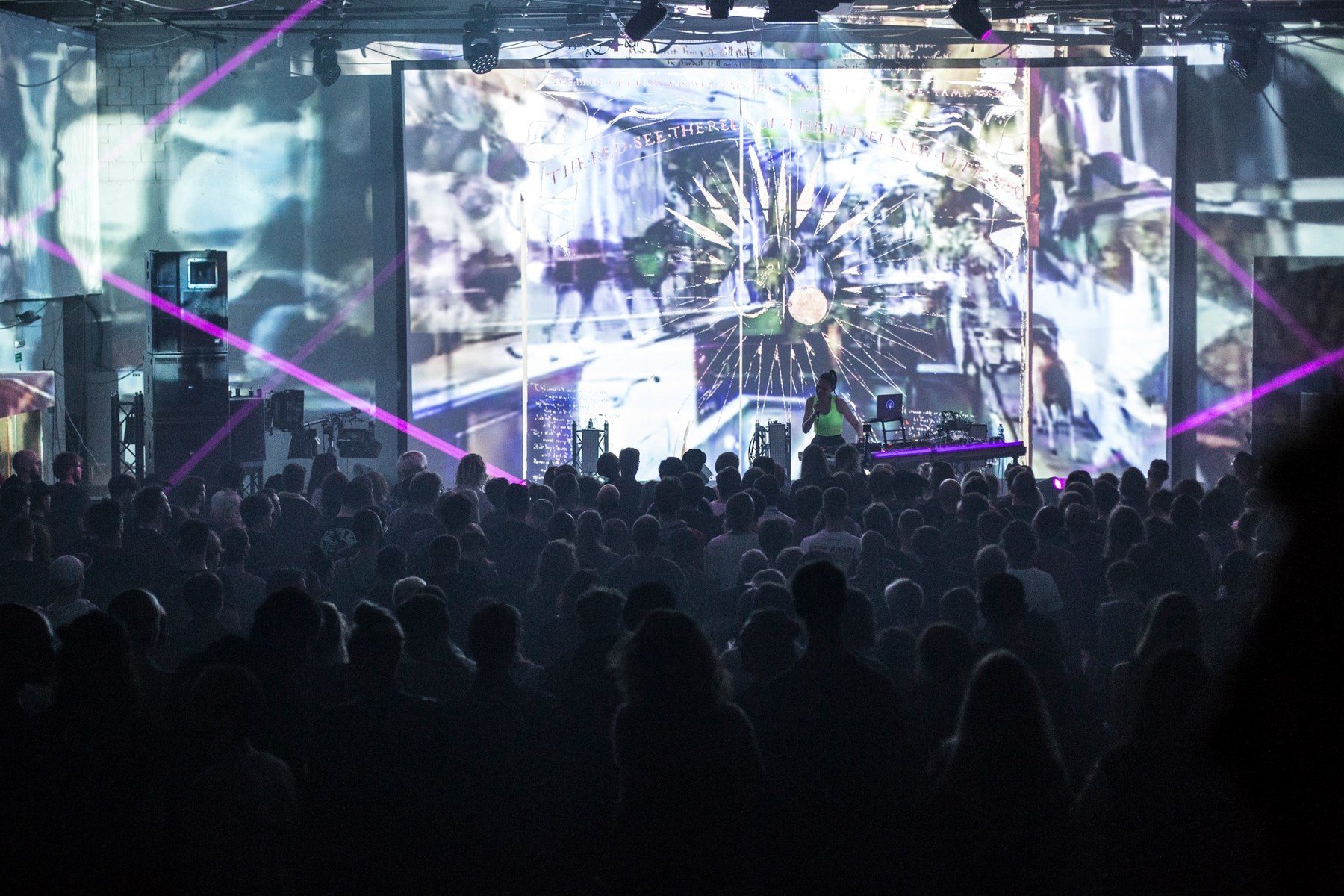
Lunchmeat Festival: three full evenings of experimental electronics, and all in celebration of the festival’s 10th anniversary.
Don’t have an account? Register
[swpm_registration_form level=”6″]
Already have an account? Log In
How Would You Like to Promote Your Business? PR ArticleDisplay bannersVideo productionNewsletter adsJob ListingsInfluencer Marketing
Your Email
We will come back to you within 24 hours with our proporsal