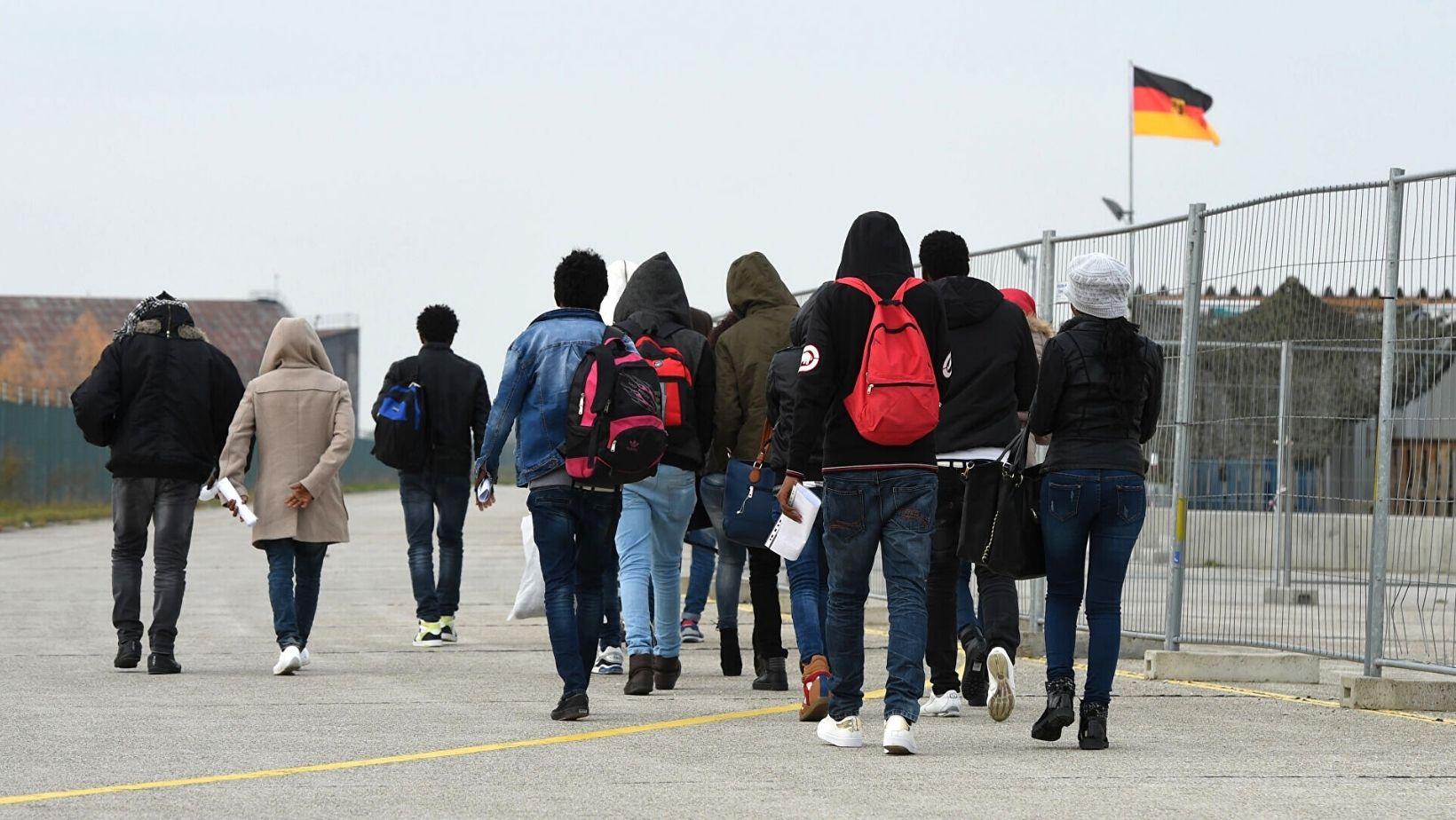
According to the Czech police, the number of illegal foreigners living in the Czech Republic increased in the first six months of 2021. One of the main reasons for the increase was that the borders with Germany and Austria were not completely closed this year. Ukrainians represented the largest group of illegal foreigners discovered by Czech police in the first half of this year, followed by migrants from Moldova, Afghanistan, Vietnam, and Georgia. According to the foreign police director, Milan Majer, the increase in the number of foreigners illegally staying in the Czech Republic, resulted from violations of the Health Ministry’s regulations imposed to halt the further spread of the COVID-19 pandemic. The highest number of illegal foreigners was found in Prague, followed by the Central Bohemian, South Moravian, Plzeň, and Ústí regions. In the case of the illegal transit migration, Czech law enforcement detained 515 persons, 81 more than in 2020. Most often, migrants came to the Czech Republic through the border with Slovakia or via intra-Schengen flights. Their destination country was primarily Germany. They were mainly citizens of Afghanistan, Iraq, Syria, and Morocco. 105 people tried to cross the EU border at Czech international airports illegally, 8 more...
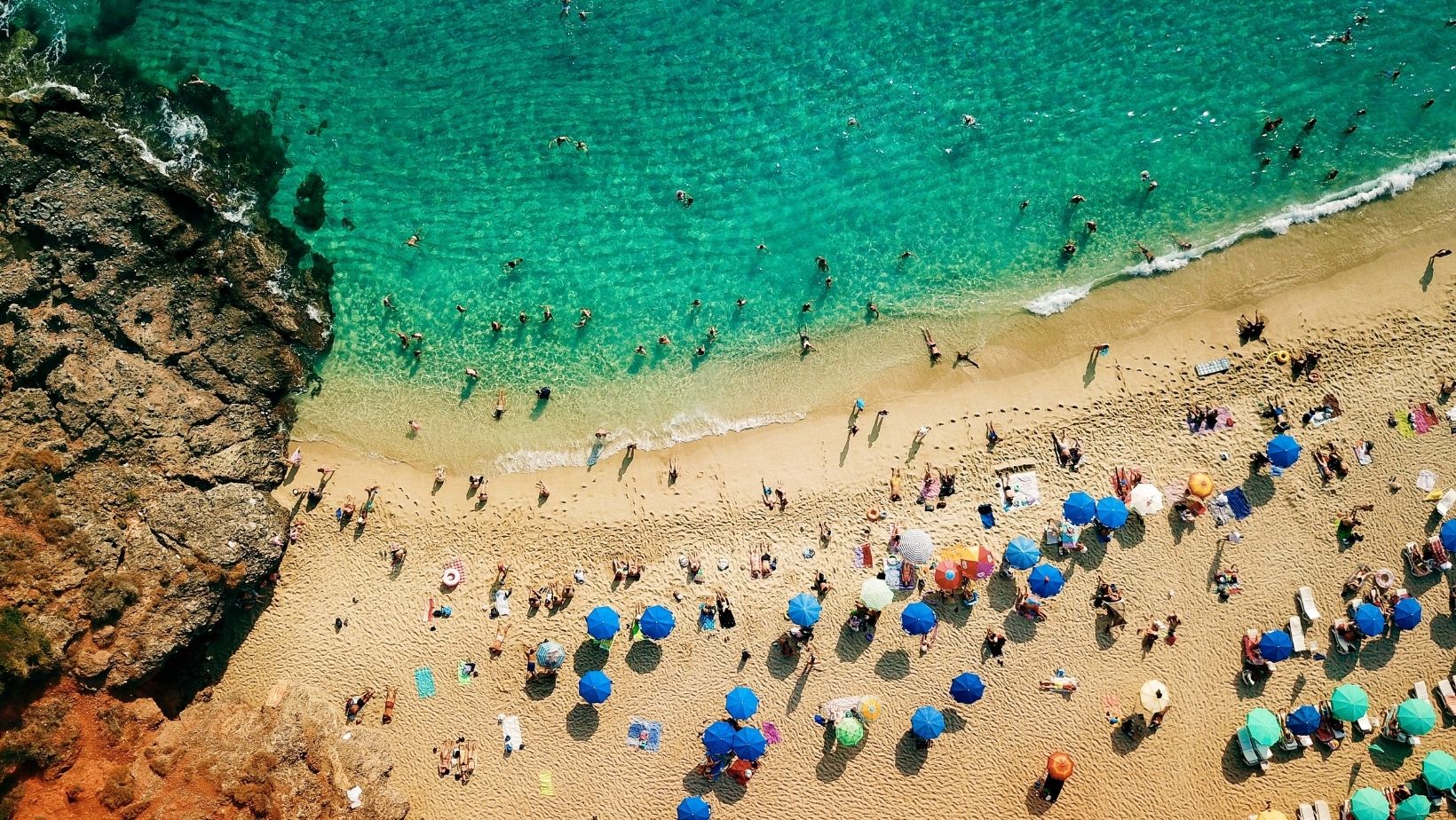
As temperatures heat up, Google searches conducted in spring have revealed Czechs’ most sought-after vacation destinations. Using the data provided by Semrush, we can see that among the “trusty” choices, many Czechs opted for a number of trending locations. Here are the Czechs’ Top 5 vacation destinations for Summer 2021 1. Croatia Croatia tops the list of most trending Czech vacation searches with around 28 thousand searches conducted on Google from April to June. The Mediterranean destination is famous for its walled city of Dubrovnik as well as its many beaches and seaside towns. Croatia is usually among the most popular vacation destinations for Czechs, with an average of 9,150 Google searches conducted each month. Local tip: Plitvice is one of the most visited places in all Croatia, and the single most visited national park in Croatia. But, indeed, it’s not the only beautiful national park in Croatia. Croatia’s got them eight. If you don’t like crowds, consider visiting Risnjak, North Velebit, or Paklenica National Parks. 2. Egypt The second-most searched destination among Czechs was Egypt, with 21,845 Google searches throughout the spring months. Egypt is full of opportunities for eager travelers to explore ancient monuments, bustling cities, and the...
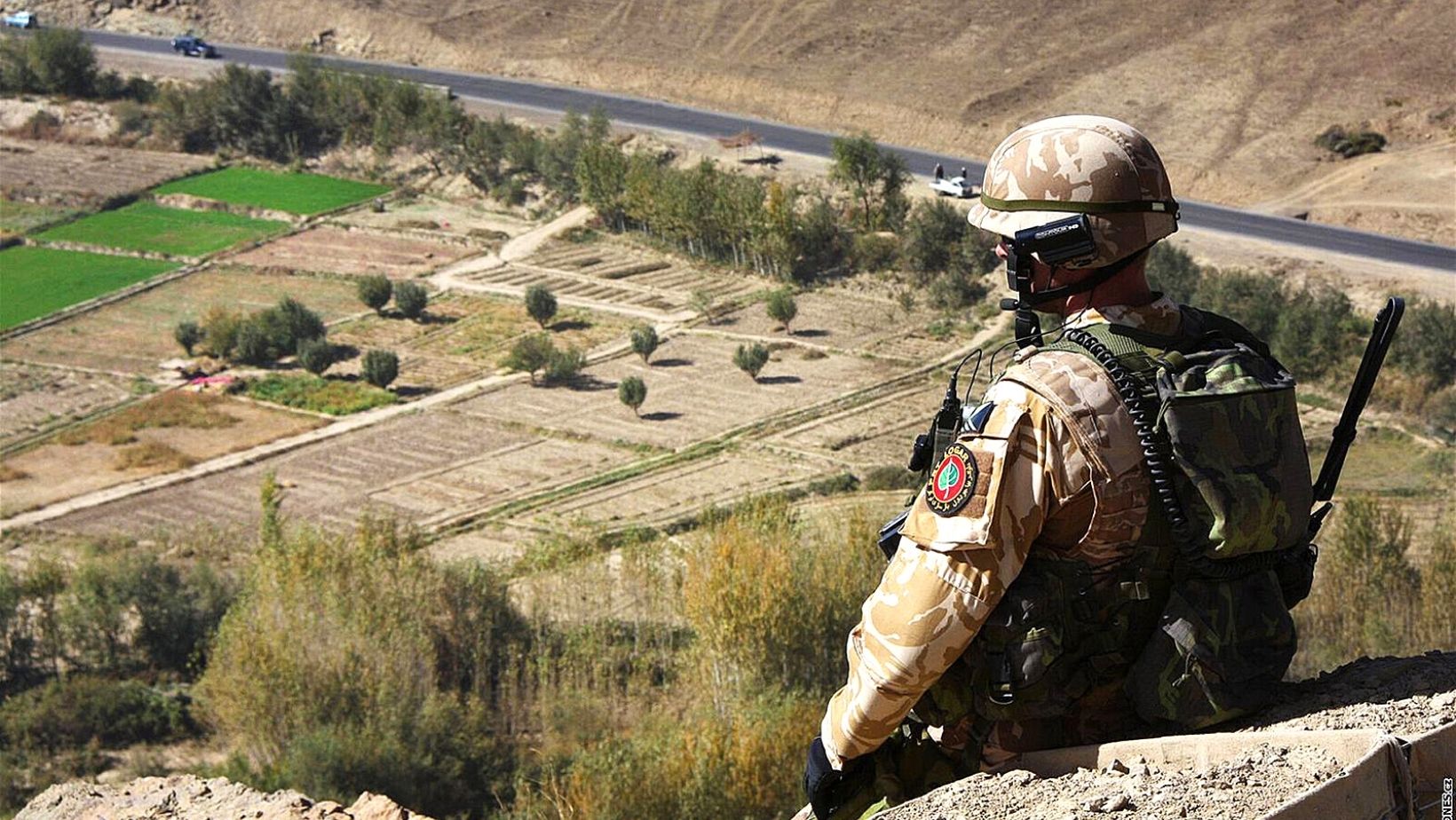
The Czech government on Friday approved a program of help for Afghans who worked with Czech troops during their deployment in NATO missions. Defense Minister Lubomir Metnar said the help meant for Afghan interpreters and their families includes their relocation, an offer of asylum and financial aid. Metnar said the goal of the program is to ensure safe and decent live conditions for them after NATO troops pull out of Afghanistan. The government´s move came days after the Czech veterans, current service members, human rights organizations and others urged the government to help resettle the Afghans because of the deteriorating security situation in Afghanistan. NATO troops are ending a deployment launched against al-Qaida and Taliban forces in the wake of the Sept. 11 attacks. President Milos Zeman asked the government on Thursday to approve the program without any delay because of fears that Afghans who worked with the Czech military could be killed by the Taliban. The Defense Ministry declined to provide further details about the program, which is classified in order to protect its recipients. Their number wasn’t given. The last Czech service members pulled out from Afghanistan in June. Since 2002, a total of 11,500 Czech soldiers were...
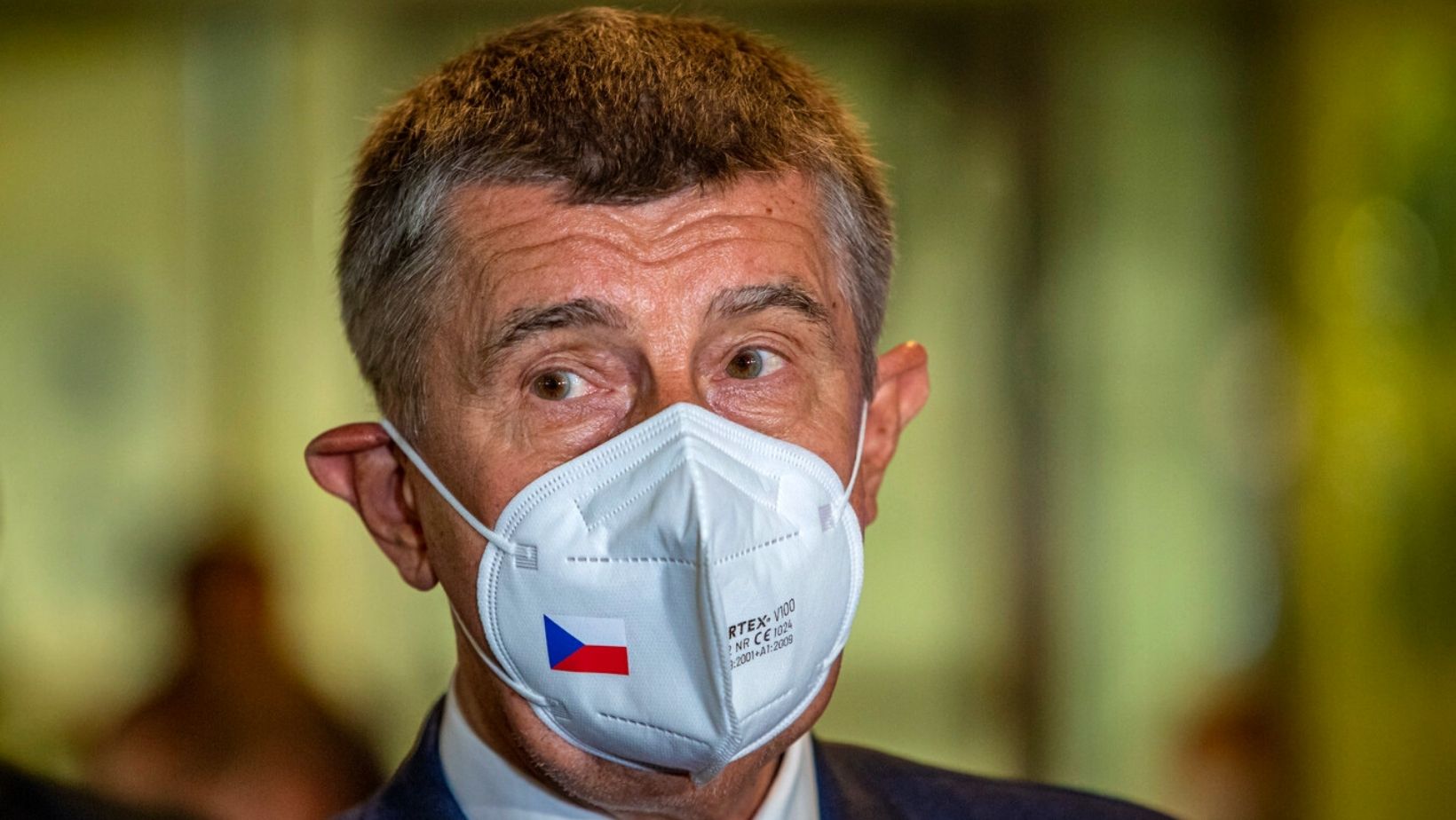
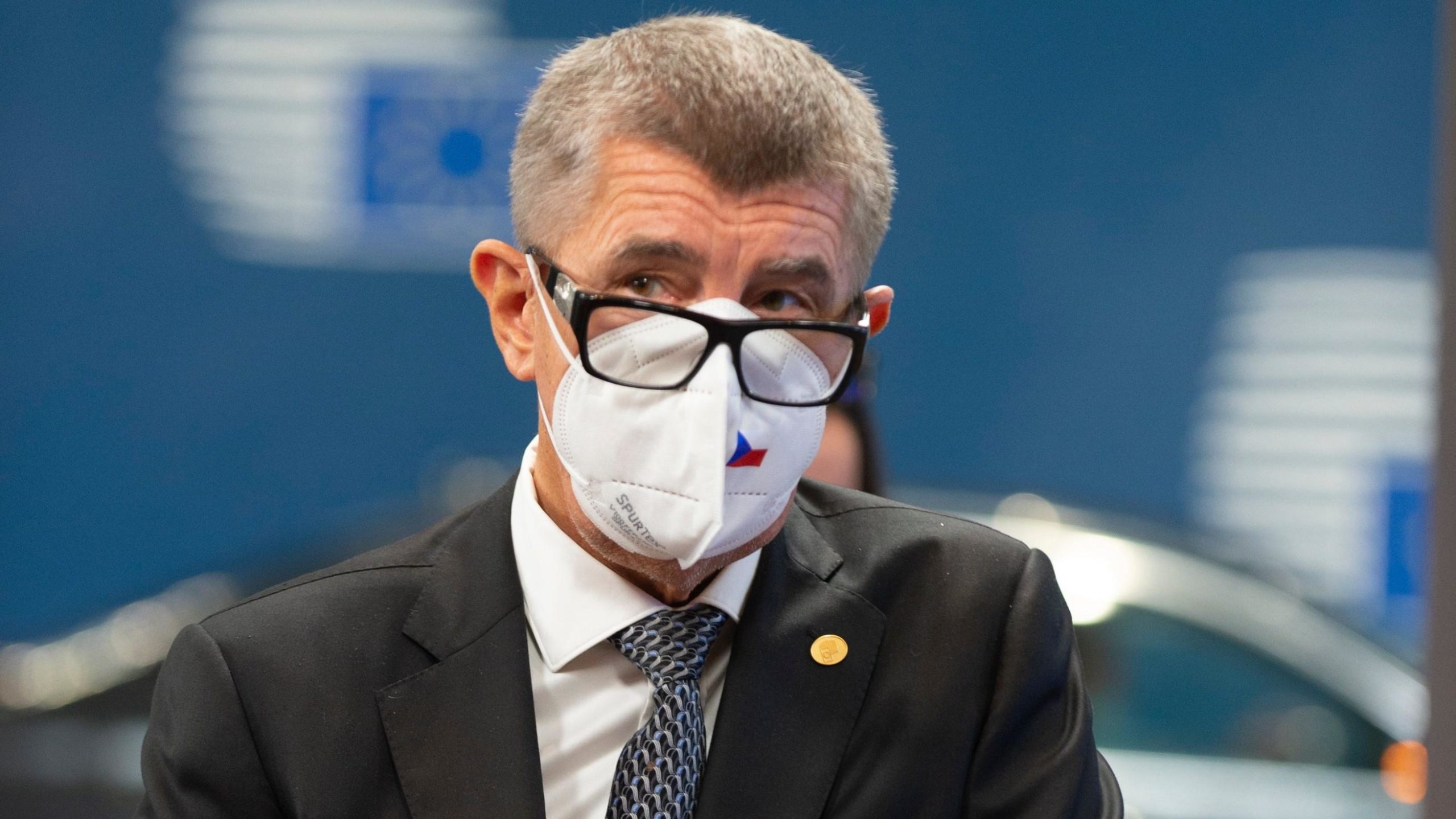
The Czech government approved on Friday offering two days of additional vacation to state employees who get vaccinated against COVID-19 as a way to spur vaccination effort, Prime Minister Andrej Babis said on Friday. The Czech Republic reported 10.19 million doses of vaccines given as of Thursday, with 4.74 million people fully vaccinated. “The aim is to have maximum vaccination, to protect ourselves against infection from abroad,” Babiš said. “This is the main task: inoculate, inoculate, inoculate.” Over 480,000 people are employed by ministries, state institutions, and linked agencies. Trinity Bank economist Lukáš Kovanda said the move would deprive the Czech economy of CZK 21.4 billion. Mr. Babiš says it will have zero impact on the state budget. Latest Some 203 new cases of Covid-19 were recorded in the Czech Republic on Thursday, 1o more on the same day last week. Children aged from six to 12 will not need to undergo a test for Covid-19 prior to returning with their parents from a country designated as high risk or very high risk in terms of infection, the Czech minister of foreign affairs, Jakub Kulhánek, said on Thursday. Organisers of large events should check that audience members are either...
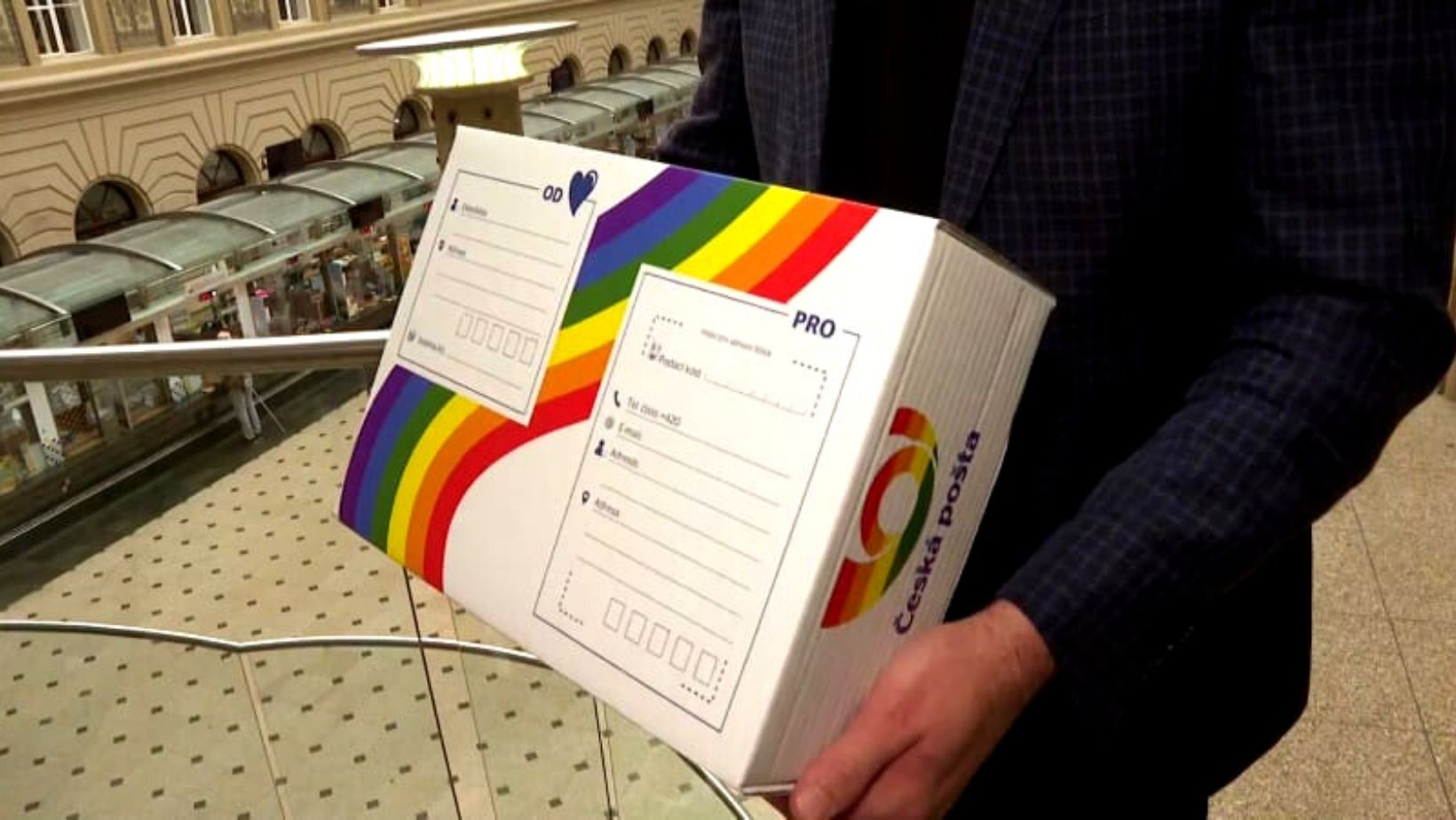
The state-owned company Czech Post has expressed support for the Prague Pride festival of lesbians and gays. The logo of the Post Office will be colored with the colors of the rainbow flag on the occasion of the August festival. Rainbow packages will also be available at the largest branches. Czech Post produced a total of 10,000 packages and calculated the costs at 250,000 CZK. The expressed support, which the post office publicly boasted about, quickly caused a stir in the public domain. “A total of 10,000 of these packages have been produced – this is a separate marketing event of the Czech Post. The amount we paid for their acquisition was 250,000 CZK. The fact that the package is rainbow-colored shows support for Prague Pride. Another form of support is the possibility to use the rainbow frame when sending postcards online,“ Matyáš Vitík, a spokesman for the Czech Post told Echo24. The rainbow package will be available during Prague Pride week at the country’s 400 largest post offices. Every customer who buys any cardboard package at the post office will receive a colored rainbow package, free of charge. “The Czech Post is proud to be a strategic partner of...
Prime Minister Andrej Babiš said on Wednesday that he will propose to his government that all employees working in the state administration, including ministry employees, teachers, or policemen, who have been vaccinated against COVID-19, would receive two extra days paid leave. Babiš said the cabinet wished to motivate people to get the vaccine, recently introducing prizes and competitions for people who get vaccinated in the new “no registration needed” inoculation centres in big cities. The PM said the government would call on all ministers to grant two days off to all employees who showed a COVID-19 certificate. This would include all of those who have been vaccinated since January. He recommended that regions, municipalities, and companies follow suit. However, as economist Lukáš Kovanda tweeted, this “bonus” would cost the Czech economy more than €800 million. Interest in the vaccine is dwindling with 4.5 million of 10.5 million now being fully vaccinated and about half of the population having so far expressed interest in the jab. As a result, the pace of Czechia’s vaccination campaign is slightly below average compared to the rest of Europe. Health workers have administered more than ten million coronavirus vaccine doses in the Czech Republic since the...
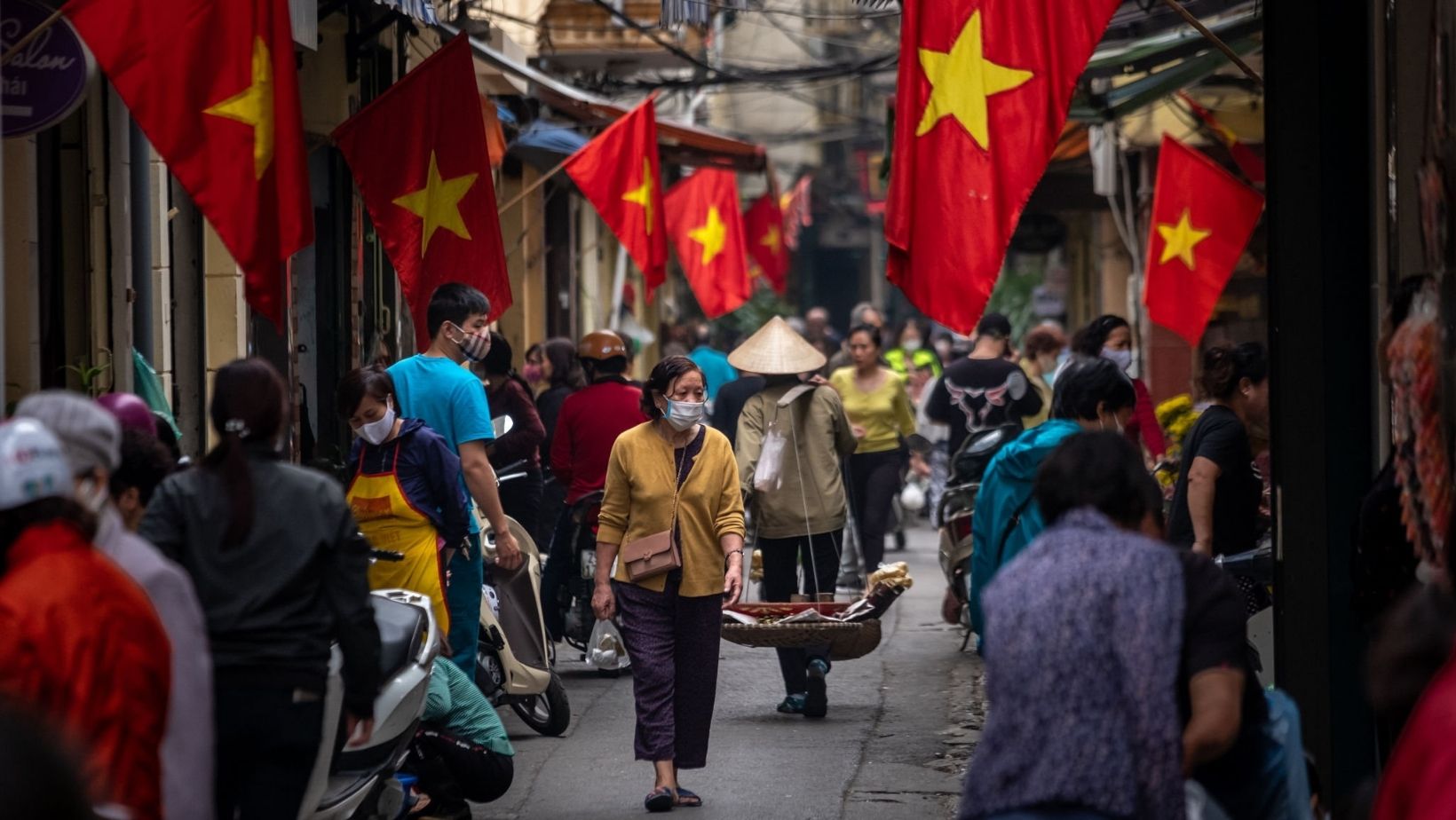
The U.K. and the Czech Republic have promised donations of 415,000 and 250,000 doses of Covid-19 vaccines to Vietnam. Britain’s donation is part of nine million vaccines it will begin delivering this week to countries around the world as the first of 100 million Prime Minister Boris Johnson pledged it would share at last month’s G7 Summit. At least 80 million doses will go to the Covax facility, while the rest will go directly to other countries. “We’re doing this to help the most vulnerable, but also because we know we won’t be safe until everyone is safe,” Foreign Secretary Dominic Raab said, as cited in a statement of the U.K. Embassy in Vietnam. Vietnam’s Ministry of Foreign Affairs announced that the Czech Republic would gift Vietnam 250,000 doses without specifying which vaccine. Vietnam has secured deals for 130 million doses so far and is in talks with other manufacturers for another 40 million shots, Minister of Health Nguyen Thanh Long said last Sunday, adding the former are expected to arrive this year and in early 2022. The government aims to vaccinate 70 percent of the country’s 96 million population by April next year. So far more than 5.2 million...
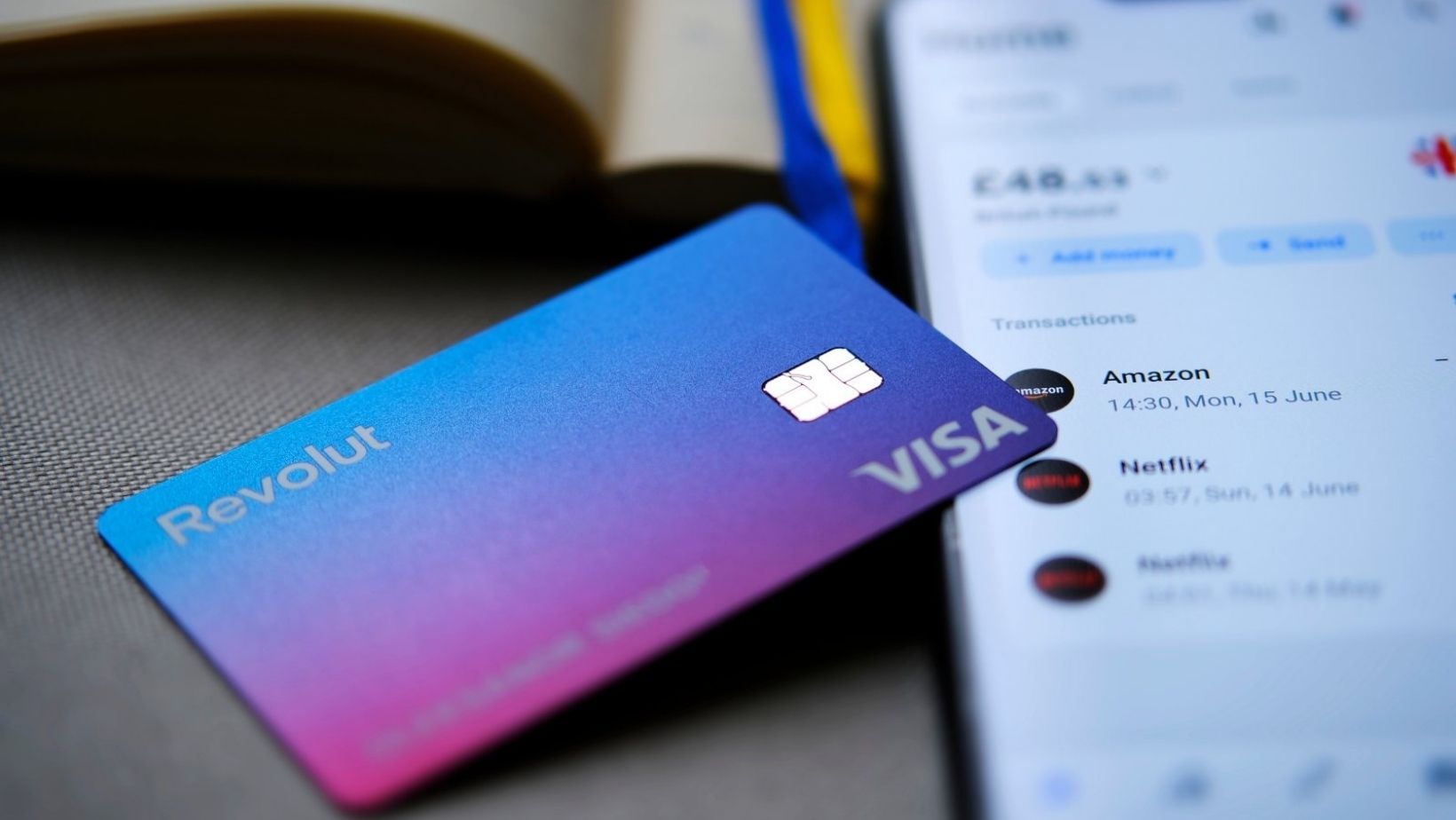
Revolut has opened its European bank to customers in the Czech Republic. Czech customers who upgrade to Revolut Bank will now have their deposits protected. Revolut, the global financial platform with more than 16 million customers worldwide, has today operationalised its European specialised banking licence in the Czech Republic. Customers who upgrade to Revolut Bank for additional services will now have their deposits protected under the deposit guarantee scheme. The upgrade process will only take customers a mere few minutes. To date, Revolut has attracted more than 300,000 customers in the country, and the fast-growing fintech is confident that deposit accounts, alongside Revolut’s wide range of products and services, will provide customers with more control, value and security than traditional banks. “Revolut is now the fastest-growing fintech company in Europe because we put the customer at the heart of everything that we do. Our product design is second to none, we have no hidden fees, and we are constantly building new and innovative financial products”, said Nik Storonsky, Chief Executive Officer of Revolut. “Launching the bank in the Czech Republic will provide a greater level of security and confidence for our customers, and will enable us to launch a host...
The Supreme Administrative Court of the Czech Republic ruled on Tuesday that the government’s measure obliging people to wear FFP2 masks in indoor areas is not justified. The court abolished the measure but the ruling will enter into force in three days, giving the health ministry time to react and provide sufficient justification for this measure. If the ministry fails to do so, the obligation to wear masks in public transport, hospitals or public buildings will be annulled. The ministry immediately said it will respect the ruling and put measures in order. The court in its ruling pointed out that the ministry had been so far “systematically ignoring” the court’s decisions and causing “legal uncertainty.” Moreover, the court emphasized that all these unnecessary law disputes are costly and even cause congestion of courts. In February 2021, the Prague Municipal Court ruled that the order to wear face-masks to stop the spread of coronavirus was not in violation of fundamental rights and freedoms. The court also stated that such an order did not require the approval of the government, and can be directly ordered by the Ministry of Health during a state of emergency. Lawyer Adam Černý filed the motion of...
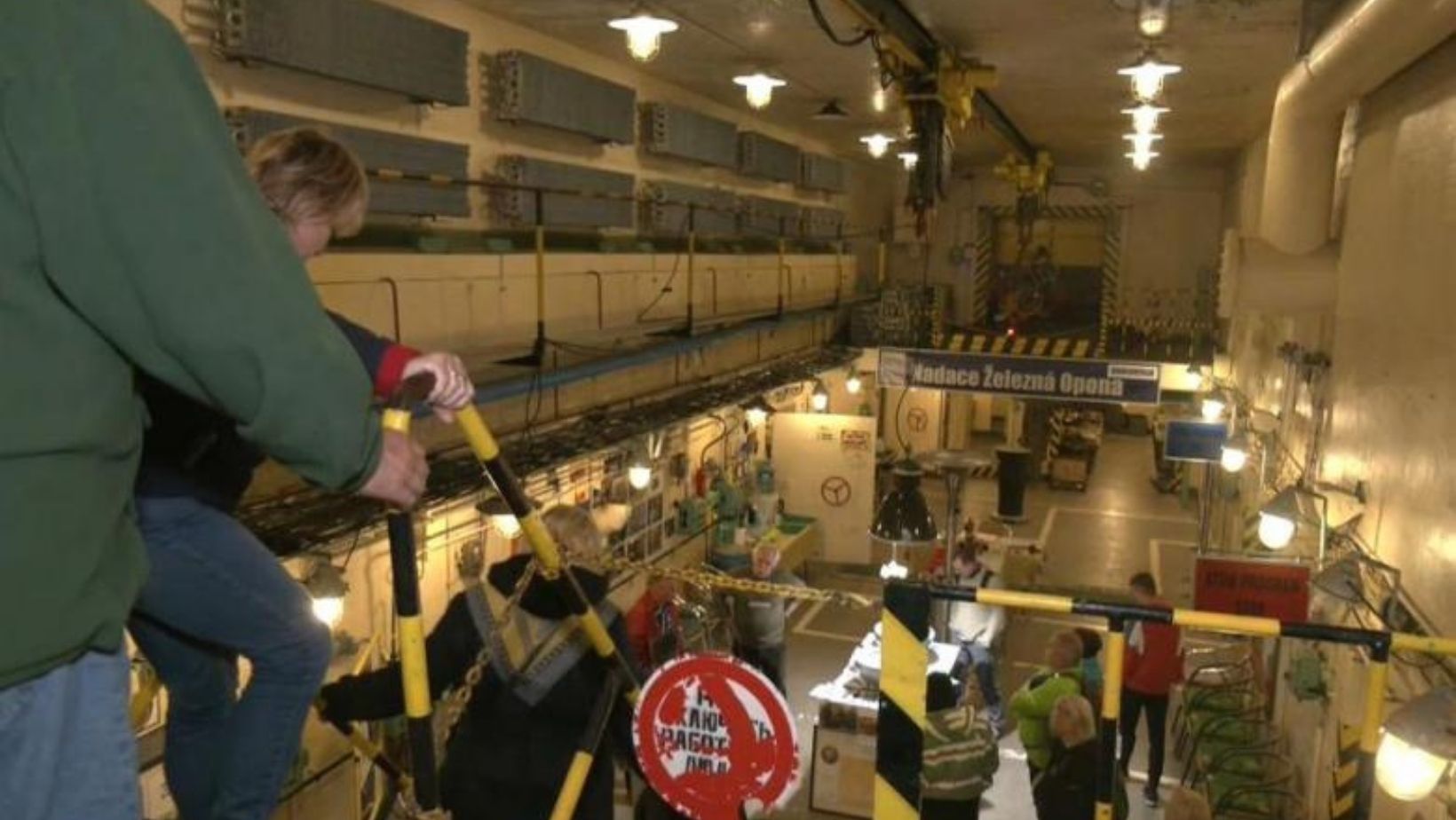
Deep inside the Brdy Highlands forests in the Czech Republic hides a former nuclear warhead depot. Between 1968 and 1990, it was fully under Soviet Army control, and no Czech citizen was allowed to enter. Now, it is once again open to the public. Scud, Luna, and Tocka short-range ballistic missiles were attached to the warheads and were able to launch in two hours and twenty minutes and reach cities including Munich, Frankfurt, and Stuttgart. The site is one of twenty-four nuclear depots in Eastern Europe and the only one in the world open for the public. Iron Curtain Foundation director Vaclav Vitovec said this was one the most secretive places in former Czechoslovakia. “This was the most-watched, most hidden place in former Czechoslovakia, protected with three perimeters where soldiers were shooting without warning. Above was no-flight zone which was confirmed also by supersonic pilots who visited this Atom Museum.” Vitovec succeeded in obtaining the bunker for his Iron Curtain Foundation and has also opened a rare Atom Museum. His main goal is to show people the pointlessness of nuclear armament that can destroy the world. During the cold war, the nuclear arsenal of the nine countries with nuclear capabilities...
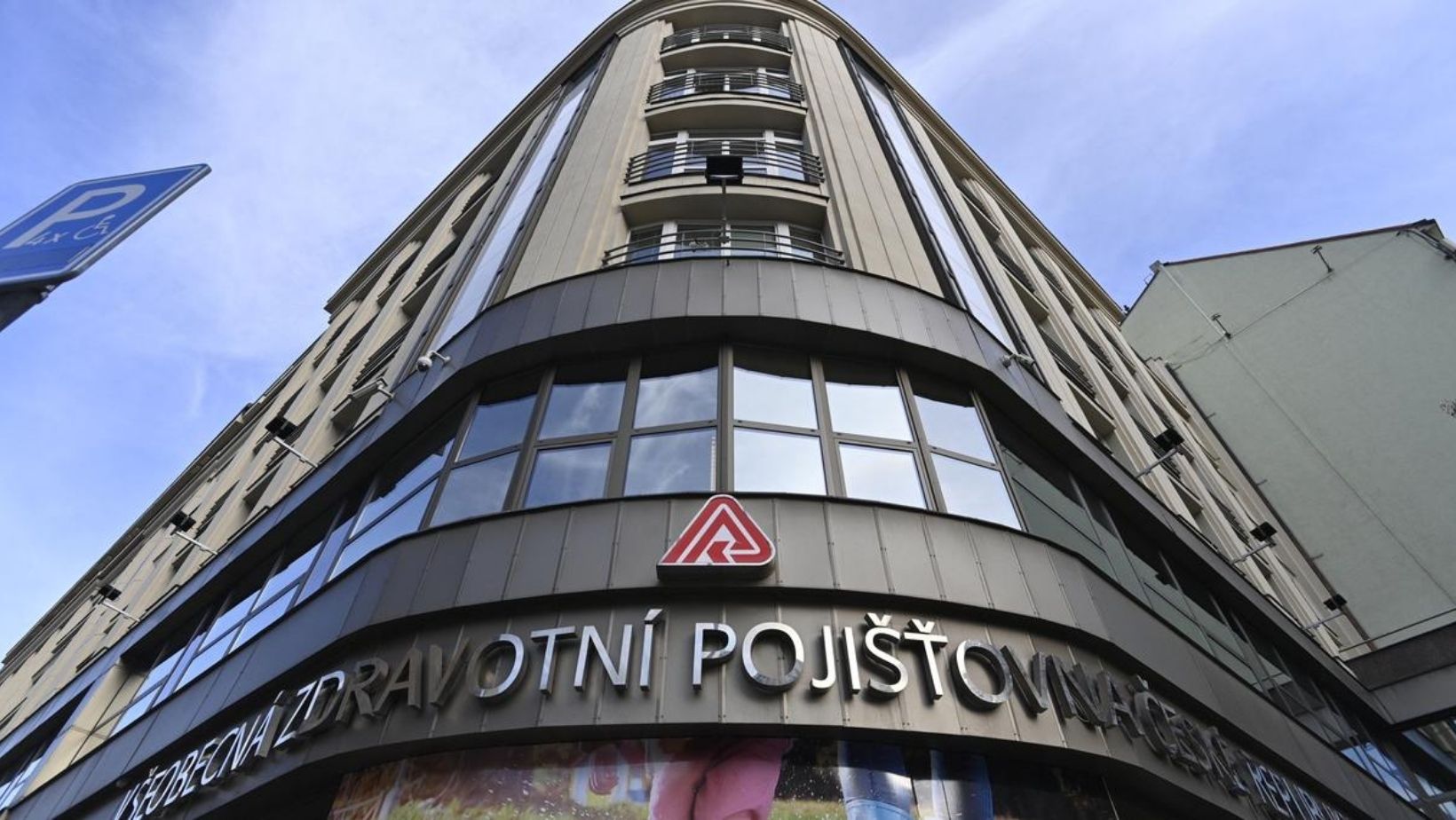
On July 16, 2021, the Czech President signed a law to amend the law on the insurance of foreigners living in the Czech Republic. Certain groups of foreigners with long-term residency in the Czech Republic do not have access to the public health insurance system and have to be insured by private insurance companies. The current amendments establish that this private insurance will, for the next five years, be provided only by the commercial subsidiary of the private health insurance company pVZP. After this five-year period, foreigners would be able to choose among different private insurance again. Will insurance become more expensive? pVZP has already informed partners that there are no plans for a price increase in the near future. At the moment, the cost of pVZP annual insurance ranges from 12,800 CZK up to 15,900 CZK for annual insurance. Can you save money? You can buy insurance cheaper (for example, for 6000, – Kč / year – comprehensive insurance Maxima) for several years in advance. This will save you thousands of crowns on future contracts. We recommend that you take out insurance before the law comes into force with a reliable partner of Prague Morning – Red Panda® I bought insurance...
As electric car sales take off and petrol engines face being phased out by 2035, Europe is looking to develop its own battery production base. Far from being autonomous, Europe needs to accelerate domestic battery output as a national security issue as well as a boost for businesses and jobs. Batteries that power electric cars and which weigh up to 600 kilograms (1,300 pounds), represent a considerable part of the vehicle’s value. At the moment, they are mostly produced in Asia, with China, South Korea and Japan the leading manufacturers. The Czech government approved on Monday a memorandum between the state and energy company ČEZ on a future gigafactory project, which would produce batteries for electric vehicles, at a €2 billion investment from the state budget. According to news site Seznam Zprávy, the project could involve Volkswagen or South Korean company LG, but the Czech government has so far refused to comment on possible partners. Industry Minister Karel Havlíček emphasised that the gigafactory project could create at least 2,300 jobs. Such investment is considered crucial for the Czech Republic, which is largely dependent on the automotive industry. The memorandum states that the gigafactory is a “strategic project that could accelerate...
Don’t have an account? Register
Already have an account? Log In
How Would You Like to Promote Your Business? PR ArticleDisplay bannersVideo productionNewsletter adsJob ListingsInfluencer Marketing
Your Email
We will come back to you within 24 hours with our proporsal