The Czech Republic is considering a new tax on sugary drinks in an attempt to combat rising obesity rates, particularly among children. Health Minister Vlastimil Válek believes a levy on sugary beverages will discourage consumption and improve public health. Government Divided on Sugar Tax The proposal has garnered support from most coalition parties, including the Mayors and Pirates. They argue that similar taxes in other European Union countries have proven effective in reducing sugar intake and generating revenue for public health initiatives. The National Economic Council (NERV) also backs the plan, suggesting a tax starting at 3.40 CZK per liter for drinks exceeding 50 grams of sugar per liter, with an additional 35 cents for every subsequent 10 grams. However, the opposition, particularly the ODS party, remains skeptical. They argue that the tax would unnecessarily complicate the tax system and unfairly burden consumers, especially after the recent VAT increase on beverages. A Tax on Vice or a Public Health Measure? Minister Válek emphasizes the need to regulate sugary drinks, highlighting their negative impact on children’s health. He believes the tax will incentivize manufacturers to reduce sugar content, ultimately leading to lower consumption. The debate centers on whether sugary drinks warrant...
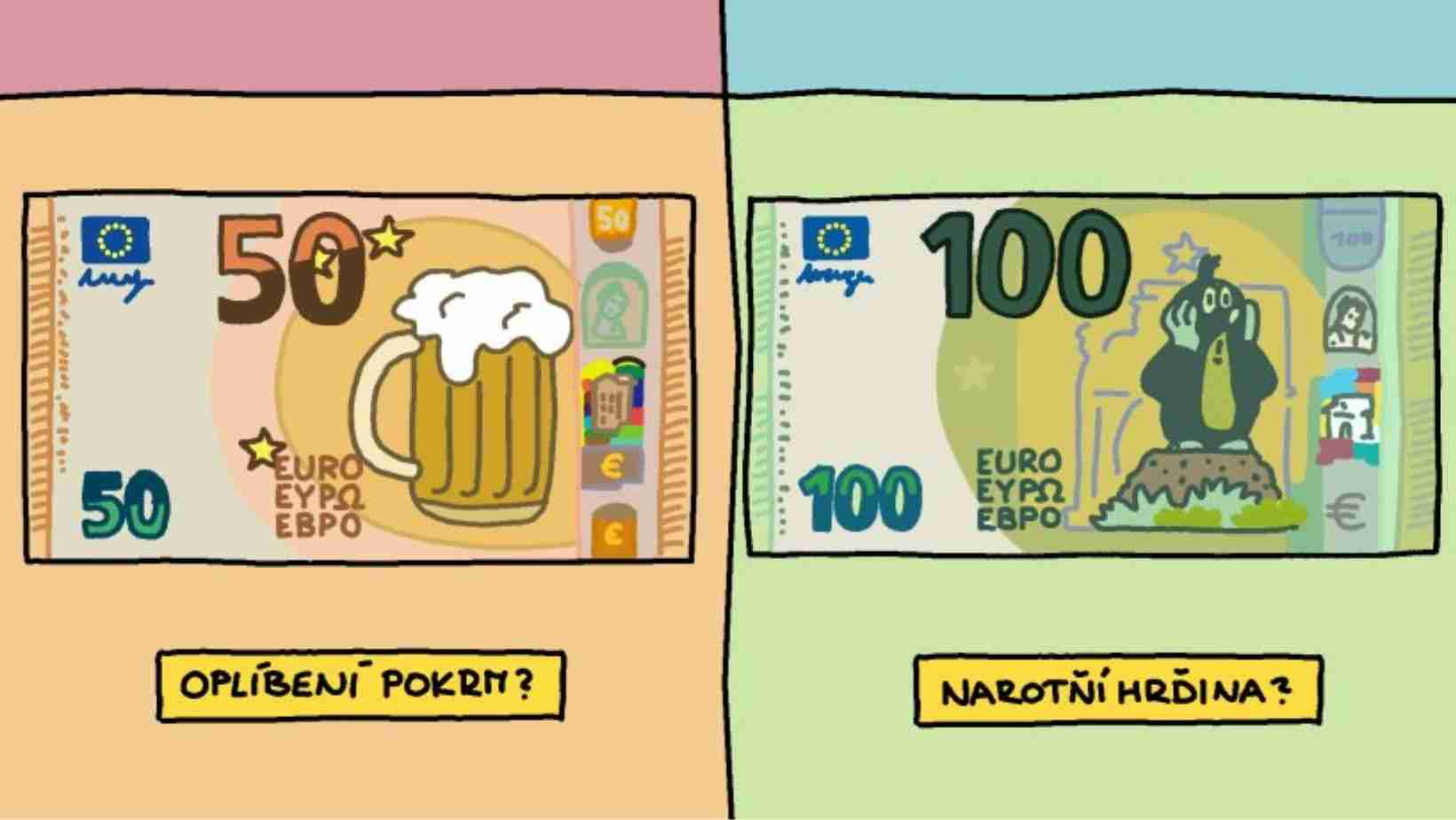
To celebrate the 20th anniversary of the Czech Republic’s entry into the European Union, the creators of the popular webcomic “Opráski sčeskí historje” decided to have some fun. They imagined how Czech banknotes might look if the country adopted the euro currency, adding a unique twist. Instead of the usual European figures and monuments, these banknotes would showcase some of the Czech Republic’s most recognizable cultural icons: Forget the stoic faces on traditional euros. Here, the Brno astronomical clock, a beloved local landmark known for its, ahem, “phallic” features, takes center stage. Move over, fashionistas! The Czech euro features a man rocking the iconic socks-and-sandals combo, a guaranteed conversation starter. No Czech list would be complete without beer, and the euro wouldn’t be an exception. A mug of the country’s favorite beverage would be a refreshing addition to any wallet. European banknotes typically feature historical figures, but the Czechs take a different approach. Their euro would be graced by the image of a the Little Mole (Czech: Krtek, Krteček), a series of cartoons as well as the name of their title character, created between 1957 and 2002. Would you like us to write about your business? Find out more
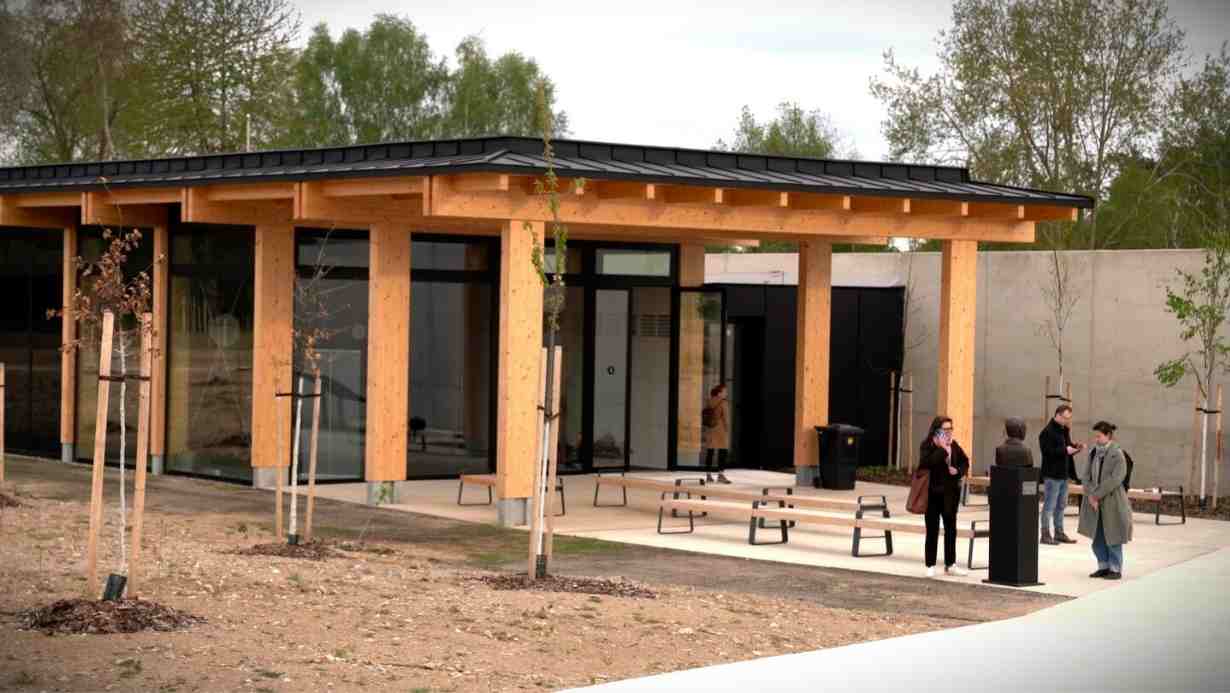
A new memorial opened on Tuesday in the Czech Republic on the site of a former Nazi concentration camp for Roma, after a communist-era pig farm was removed. The official opening capped a process that took decades and was made possible after the Czech government agreed to remove the farm. “It´s very positive news for me that the whole project was completed,” said Jana Horvathova, the director of the Museum of Romani Culture, whose organization is in charge of the memorial. Roma and human rights activists had long demanded the removal of the farm from Lety, 95 kilometers south of Prague, where some 1,300 Czech Roma were sent between August 1942 and August 1943 during the Nazi occupation of what was then Czechoslovakia in World War II. At least 335 people died there, according to the latest research, the museum said, while most of the others were taken to the Nazis´ Auschwitz death camp. “Most of all, we’re here not to forget because to remember the horrors of the past is the best protection against living though them again,” Prime Minister Petr Fiala said at an opening ceremony that he attended together with President Petr Pavel. The government acquired the...
The Czech Republic is setting ambitious goals for Expo 2025 in Osaka, Japan. Their pavilion, a striking wooden structure on prime waterfront real estate, promises to be a technological marvel and a launchpad for Czech businesses in Asia. Building on Success Decades after a well-received Czech pavilion at a previous Expo, the Czechs are raising the bar. Their new pavilion boasts a unique design by Apropos Architects, constructed from wood and glass. This wooden marvel stands out in Japan, where earthquake regulations typically limit such structures. The Czechs, however, have addressed these concerns, proving the building’s resilience to Japan’s authorities. Innovation Takes Center Stage The pavilion isn’t just about aesthetics; it’s a platform for Czech innovation. Visitors will be greeted by displays showcasing Czech achievements in engineering, finance, agriculture, and artificial intelligence. A central auditorium serves as a venue for business meetings, conferences, and workshops, fostering partnerships between Czech and Asian companies. A Taste of Czechia Cultural immersion goes beyond exhibits. A rooftop restaurant offers stunning ocean views and a delectable taste of Czech cuisine, adapted for Japanese palates. Beer will flow freely from over 100 taps, with a focus on efficiency – the Czechs have even timed how long...
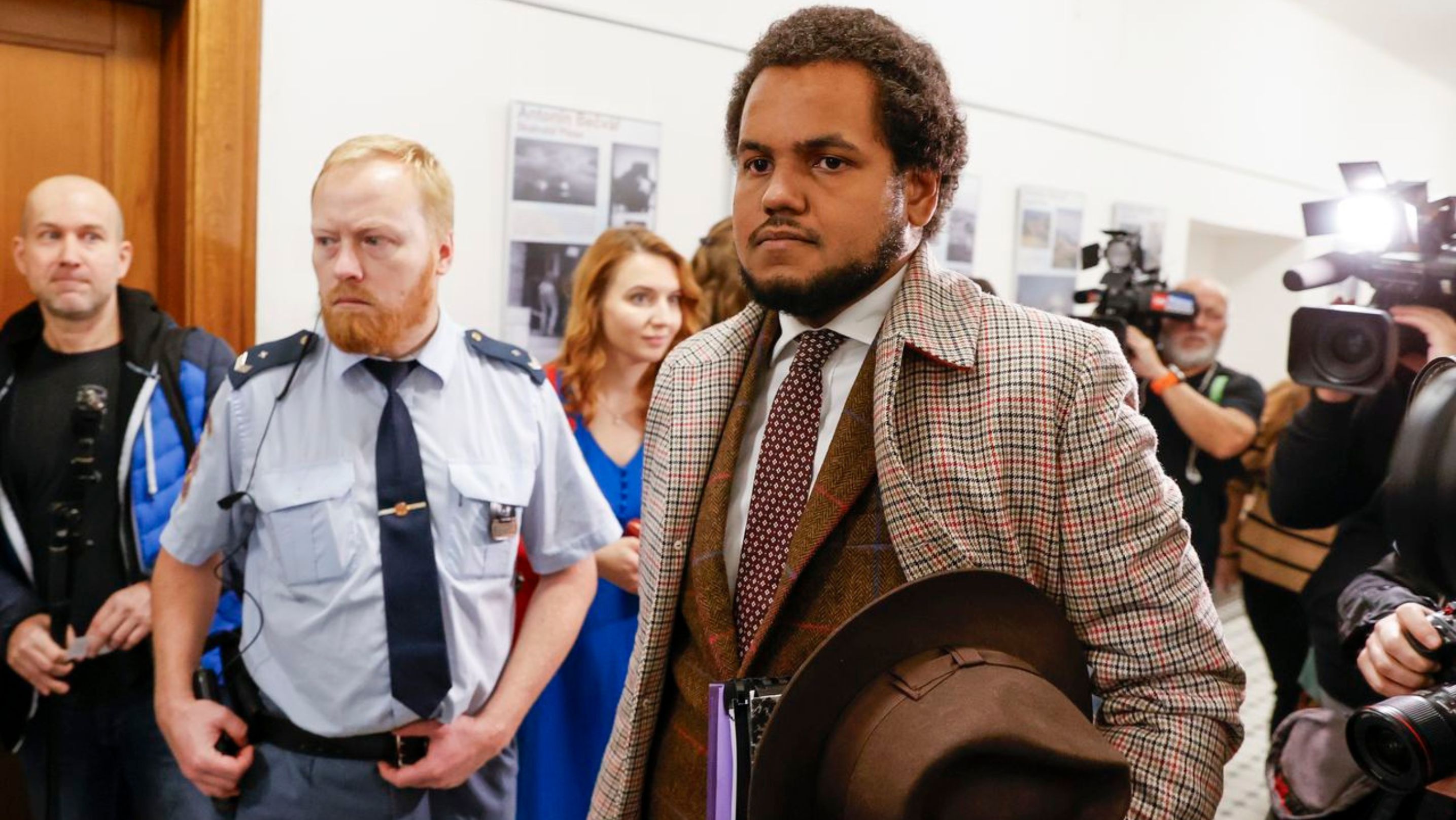
Former deputy Dominik Feri has been sentenced to three years in prison. The decision was confirmed by the Prague Municipal Court. Feri, a former TOP 09 member, resigned from his parliamentary seat amidst the accusations but maintained his innocence. The case involves incidents reportedly occurring in Feri’s Žižkov apartment in 2016 and an attempted assault in 2018. However, he rejected claims that he had committed rape, although conceded that his behaviour may have been “inappropriate” at times. During the appeal process, Feri challenged the credibility of the girls who accused him of rape. He argued against the evidence presented, particularly regarding the presence of narcotics in a drink provided to one of the victims. The victims, including a minor, accused Feri of various sexual acts without their consent. The Prague 3 District Court ruled that Feri is to pay a total of CZK 510,000 to the victims, and another CZK 33,000 to cover the cost of psychotherapy for one of them. Adéla Hořejší, representing the victims, emphasized the impact of the crimes on their lives and advocated for higher compensation. She pointed to the psychological trauma Feri’s victims had endured and the impact of the assault and hearings on their private lives....
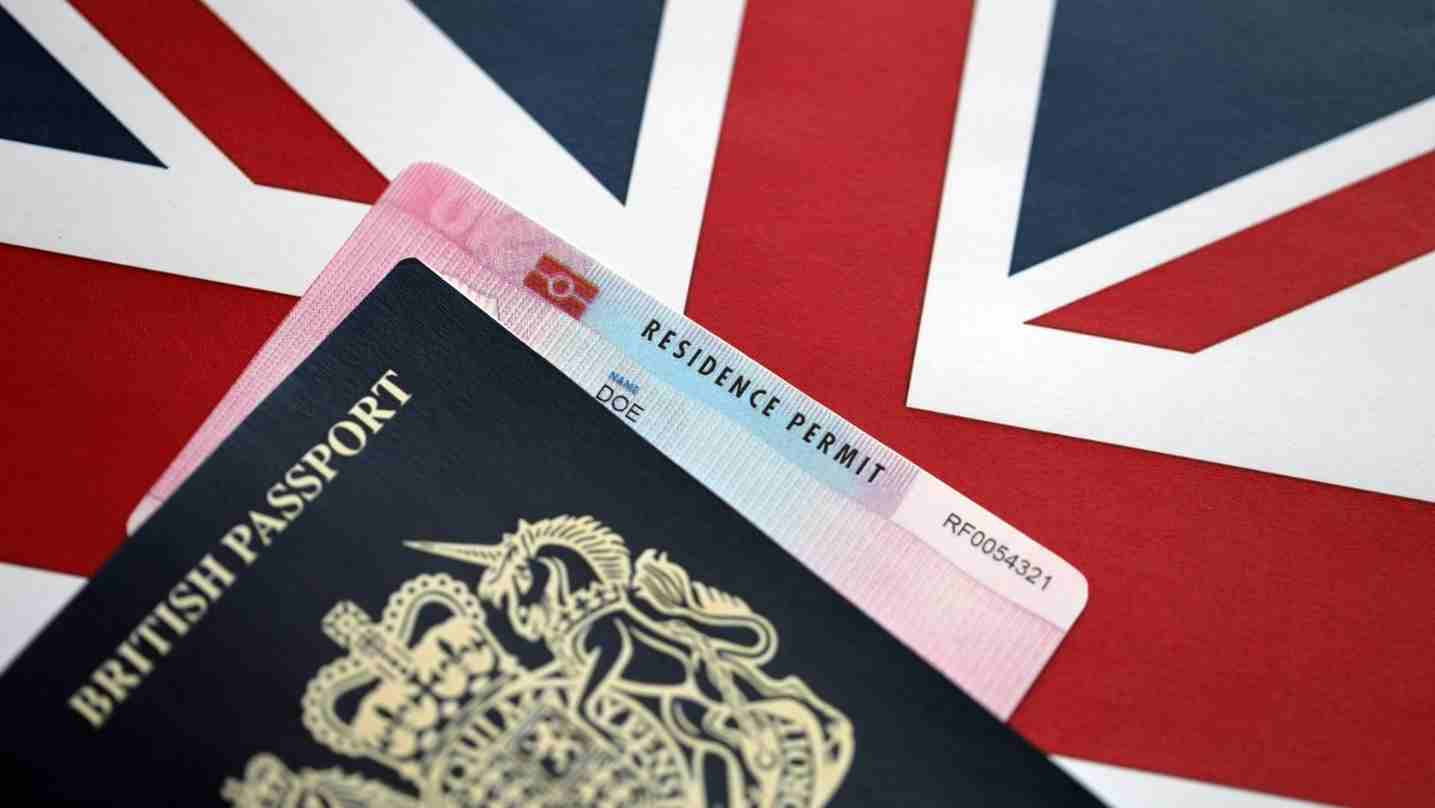
The Czech government is proposing a change that could make it simpler for skilled workers from certain developed countries to find employment in the Czech Republic. According to a draft regulation, citizens from Australia, Canada, Japan, New Zealand, South Korea, the United Kingdom, and the United States might not need work permits or employment cards starting in July. This amendment to Czech employment law aims to attract highly qualified professionals and managers by granting them easier access to the job market. It would also reduce the administrative burden on businesses seeking to hire foreign talent. The Ministry of Labour and Social Affairs, which prepared the draft, explained that these countries were chosen because they represent strong economies and because the Czech Republic has a history of successful collaboration with them. However, the Ministry acknowledges that unlike the existing agreements with some of these countries, “reciprocal treatment” for Czech workers in those nations is not guaranteed. While work permits are not currently required for some of these nationalities under existing agreements, the Ministry admits these agreements haven’t been widely used. They emphasize that citizens from these countries typically hold high-skilled positions and are not seeking illegal work or asylum. Data from...
The town of Žatec, in the Ústí nad Labem Region, has been named Czech “Historical Town of the Year” for 2024. The award, which comes with a one-million-crown cheque, honors those towns and cities that have excelled in preserving and renewing their cultural and architectural heritage. The “Historic Town of the Year” competition is organized annually by the Association of Historic Settlements in Bohemia, Moravia, and Silesia along with the Ministry of Regional Development. Last year, Žatec and the surrounding hop-growing landscape were granted UNESCO World Heritage status, becoming the 17th Czech entry on the list. The town showcases a unique hop-growing legacy that exists nowhere else in the world: besides the historical center, hop stores, and old drying and packing plants, Žatec also has a number of other heritage sites with industrial architecture. It even has the smallest hop garden in the world! Hops have been grown around Žatec for some 700 years now and during that time a unique landscape has been shaped with this in mind; the very best varieties originated here and people built towns literally designed around the hop processing industry. Throughout Žatec there are several interesting places and heritage sites in the history of...
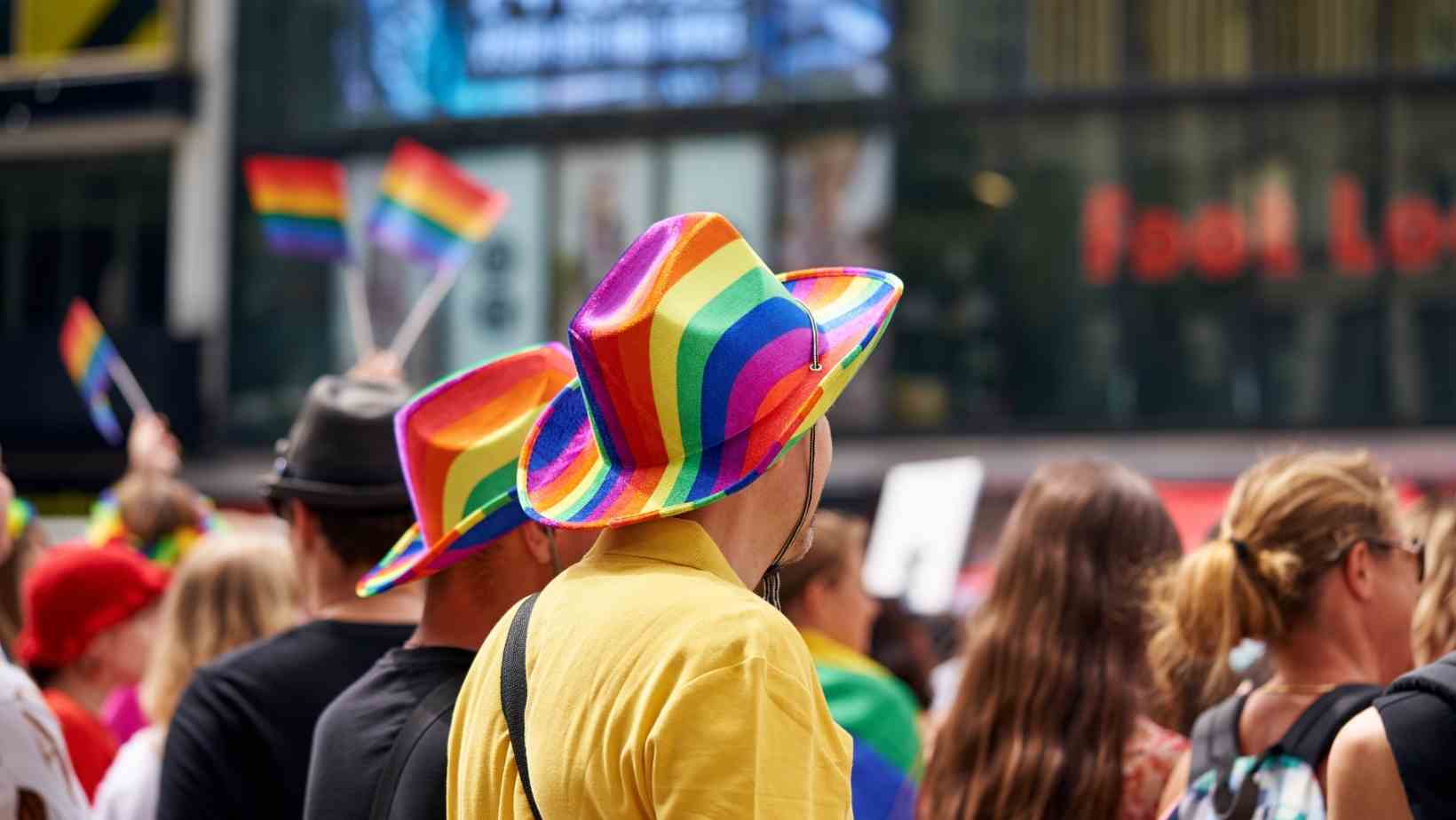
The Czech Senate took a significant step towards marriage equality on Wednesday morning. Bypassing a potential debate on the issue, lawmakers voted to remove an amendment to the Civil Code from the agenda. This amendment, proposed by the ODS and TOP 09 parties, will grant similar rights as marriage to same-sex partners, effective next year. Despite opposition from the KDU-ČSL party, the Senate approved the move in a 47-to-unknown vote. The motivation behind this action was to avoid lengthy discussions on the rights of same-sex couples. The amendment is expected to be signed by President Petr Pavel within the next month and take effect in 2025. This legislation also eliminates registered partnerships, a legal status currently available to same-sex couples. Registered partnerships offer fewer legal protections compared to marriage, such as limitations on shared property and eligibility for survivor’s pensions. The new law allows adoption for same-sex couples, but with a caveat. Only a biological parent within the couple can adopt a child. Adoption of a child already adopted by one partner would require a separate court decision. This move by the Senate represents a major step forward for LGBTQ+ rights in the Czech Republic, granting same-sex couples the legal and...
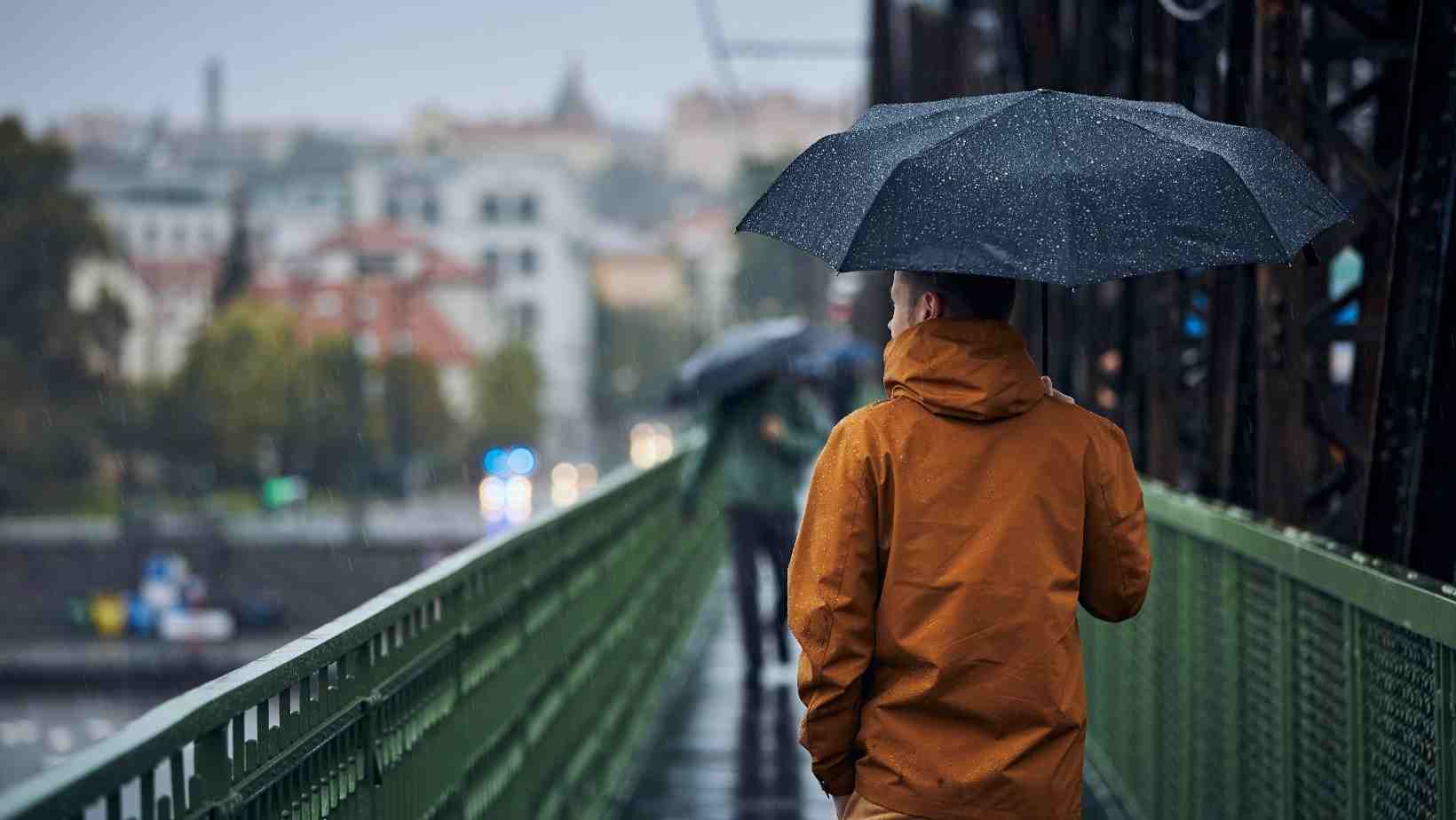
After enjoying a taste of spring with unseasonably warm temperatures in early April, the Czech Republic is in for a rude awakening. A significant cool-down is expected across the country, bringing rain, showers, and even the possibility of snow, not just in the mountains but potentially at lower elevations as well. Monday to Wednesday: Cloudy with Rain and Potential Snow Monday will be mostly cloudy with a chance of thunderstorms and showers in some areas. While daytime temperatures will remain relatively mild, ranging from 13 to 17 degrees Celsius, snow is expected at higher altitudes. Tuesday will see cloudy skies persist, with nighttime temperatures dropping to 4 degrees Celsius and daytime highs reaching only 8 to 12 degrees Celsius. Showers, including some snow showers in the mountains, are again forecast. Meteorologists warn that snow may even appear at lower or even exceptionally low elevations later in the week. Wednesday offers a glimmer of hope with skies potentially clearing towards the evening. Overnight temperatures could dip to freezing (0 degrees Celsius), while daytime highs will range from 6 to 10 degrees Celsius, with occasional peaks of 12 degrees Celsius. A moderate north-westerly to northerly wind is also expected. Thursday and Beyond:...
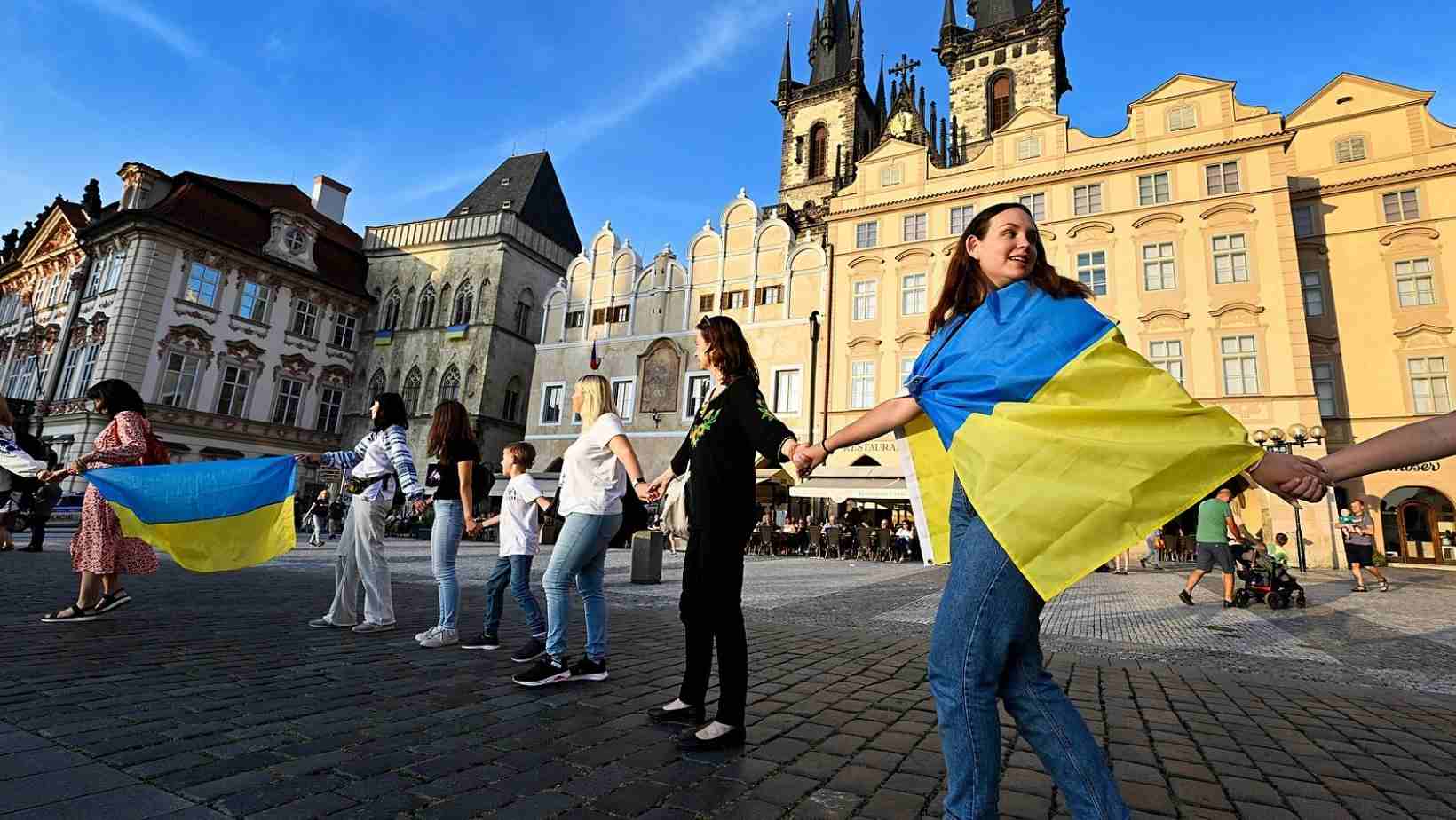
This is evidenced by the results of a study conducted by the International Organization for Migration (IOM). The IOM has determined that 77% of Ukrainian refugees are economically active, that is, they have a job or are actively looking for one. Most Ukrainian refugees are women. They often have a high level of education, but in the Czech Republic, they have managed to find jobs only below their qualification level. According to the data obtained, knowledge of the Czech language is of great importance for employment. Thus, more than four-fifths of migrants who speak Czech are employed. The highest level of employment is among those who previously worked in Ukraine as mechanics, mechanics, drivers, craftsmen or skilled agricultural workers. According to the study, almost a third of Ukrainian refugees face financial difficulties because they cannot cover their daily expenses. pensioners or those on maternity leave face problems as well. At the same time, 56% of refugees from Ukraine rent housing, while the rest live in dormitories, hotels, and boarding schools. According to the IOM, 69% of the refugees surveyed want to return to Ukraine and only 12% do not plan to return. IOM conducted a survey of refugees over the past...
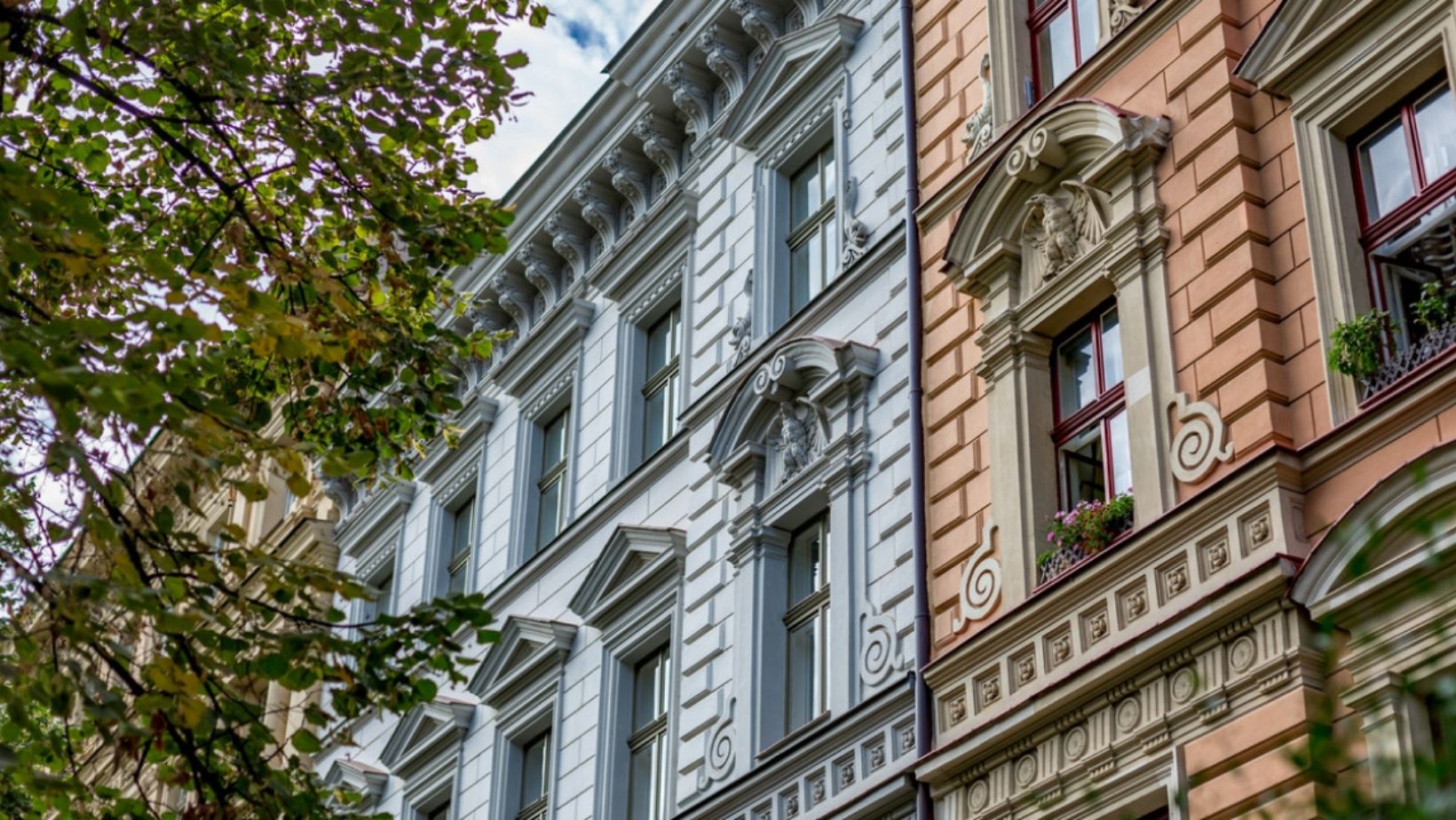
Prague is seeing a surge in Airbnb prices, prompting the government to plan new regulations. This year, tourists are expected to return to the Czech Republic in droves, with many using short-term rental platforms for their accommodation. This is confirmed by data from Seven Keys, a company managing 85 apartments in central Prague for Airbnb rentals. “Thanks to the high seasonal demand, we were able to raise prices by about 25%. We also had to increase cleaning fees due to rising costs,” says Zuzana Benešová, founder of Seven Keys. Despite the price hikes, tourists remain undeterred. “Over the past two years, we’ve reached 80% occupancy in April and May, which is 20% higher than pre-pandemic levels,” Benešová says. “Bookings for spring and summer are already strong, suggesting this will be our peak season since the pandemic.” Market Analysis Shows Price Rise Published statistics by AirDNA, a market research firm, confirm the rising cost of vacation rentals on short-term accommodation platforms. According to their data, the average daily rate in Prague alone has increased by about a third over the past two years. In April 2022, the average daily price for accommodation in Prague was CZK 2,500. This April, the average...
The Czech government is investing in nuclear energy as a means to decarbonization. The Czech government wants the new units to gradually go into service between 2029 and 2040, and fully phase out from Coal and Lignite by 2033. The goal is for oil and gas to be phased out by 2050, according to the ambitious National Energy and Climate Plan. The Czech Republic is traditionally a carbon energy exporter, yet its government is seemingly ready to cut ties. In a speech made in March at a nuclear energy summit in Brussels, Czech Prime Minister Petr Fiala said, “From the Czech perspective, nuclear is a cost-effective way to decarbonization. It brings grid stability and security of supply. It is the only way to reach our energy independence.” According to an exclusive IPSOS and Euronews poll, the Czech people are the least concerned EU electors, after the Poles, by climate change. 34% agree that climate is a priority, whilst 21% do not. Industry and Trade Minister Jozef Sikela said an assessment of the bids should be completed by the end of May. The Czech Republic already relies on six nuclear reactors to generate more than a third of its electricity. Besides...
Don’t have an account? Register
Already have an account? Log In
How Would You Like to Promote Your Business? PR ArticleDisplay bannersVideo productionNewsletter adsJob ListingsInfluencer Marketing
Your Email
We will come back to you within 24 hours with our proporsal