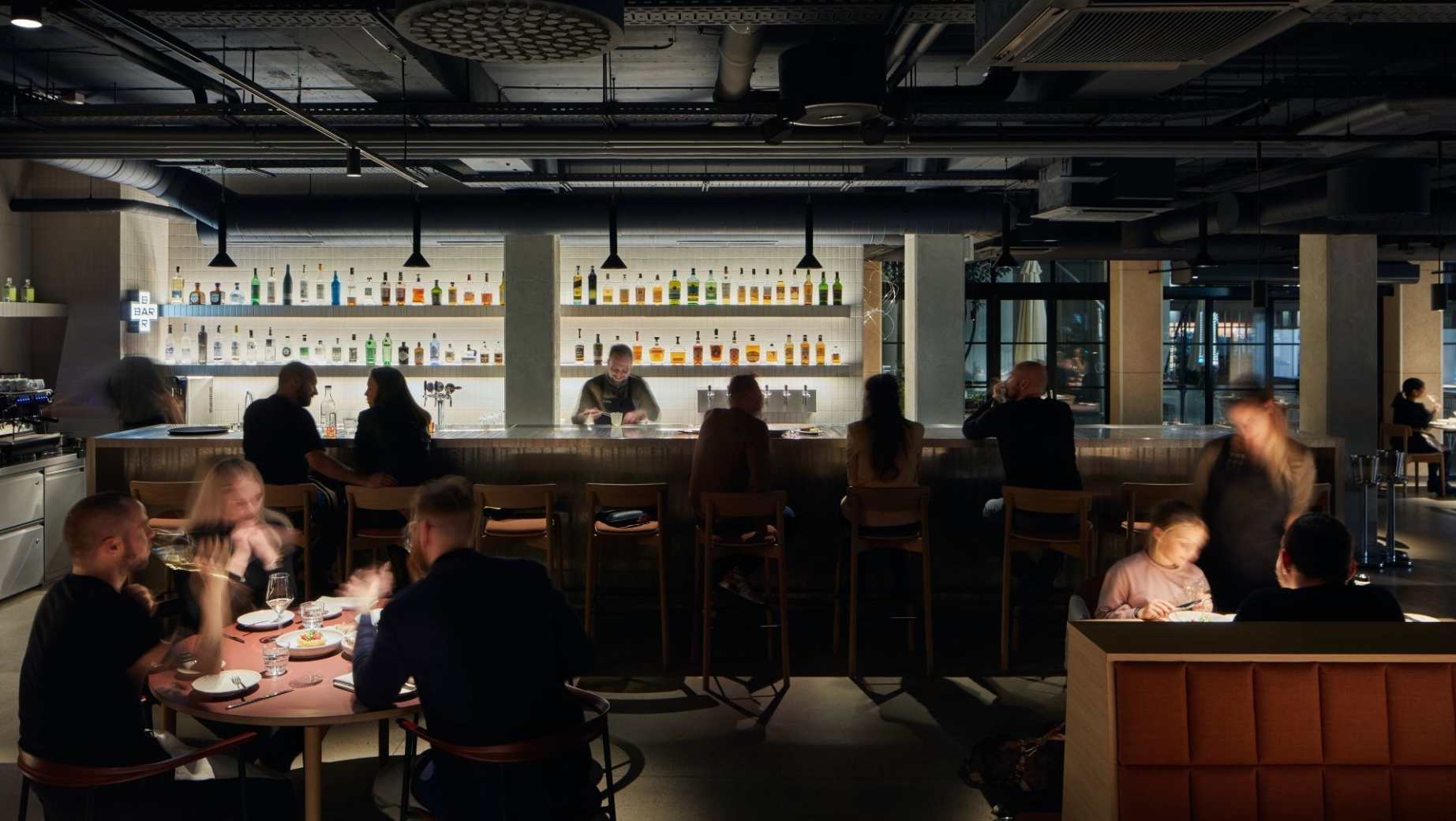
The Czech cocktail scene has earned international recognition after Forbína and Alma were both included in the inaugural Europe’s 50 Best Bars ranking. The prestigious list places Forbína at No. 38 and Alma at No. 25, making them the only Czech venues to appear among the continent’s top 50 bars. The first-ever Europe-focused edition of the World’s 50 Best Bars ranking was unveiled during a ceremony in Amsterdam on June 30. The list was compiled by more than 300 bartenders, bar owners, journalists, and hospitality experts, who evaluated venues based on cocktail quality, creativity, service, atmosphere, and the overall guest experience. Forbína, located opposite Prague’s National Theatre, achieved the recognition less than two years after opening its doors. The bar’s concept blends cocktails with theatrical storytelling, drawing inspiration from famous playwrights, classic stage productions, and the world of theatre itself. Each drink comes with a story that bartenders share with guests, creating an experience that goes beyond the cocktail. Located on V Jirchářích Street, Alma has built an international reputation under bar manager Pavel Sochor, whose team regularly hosts guest shifts featuring some of the world’s leading bartenders. The venue has become known not only for its cocktail menu but...
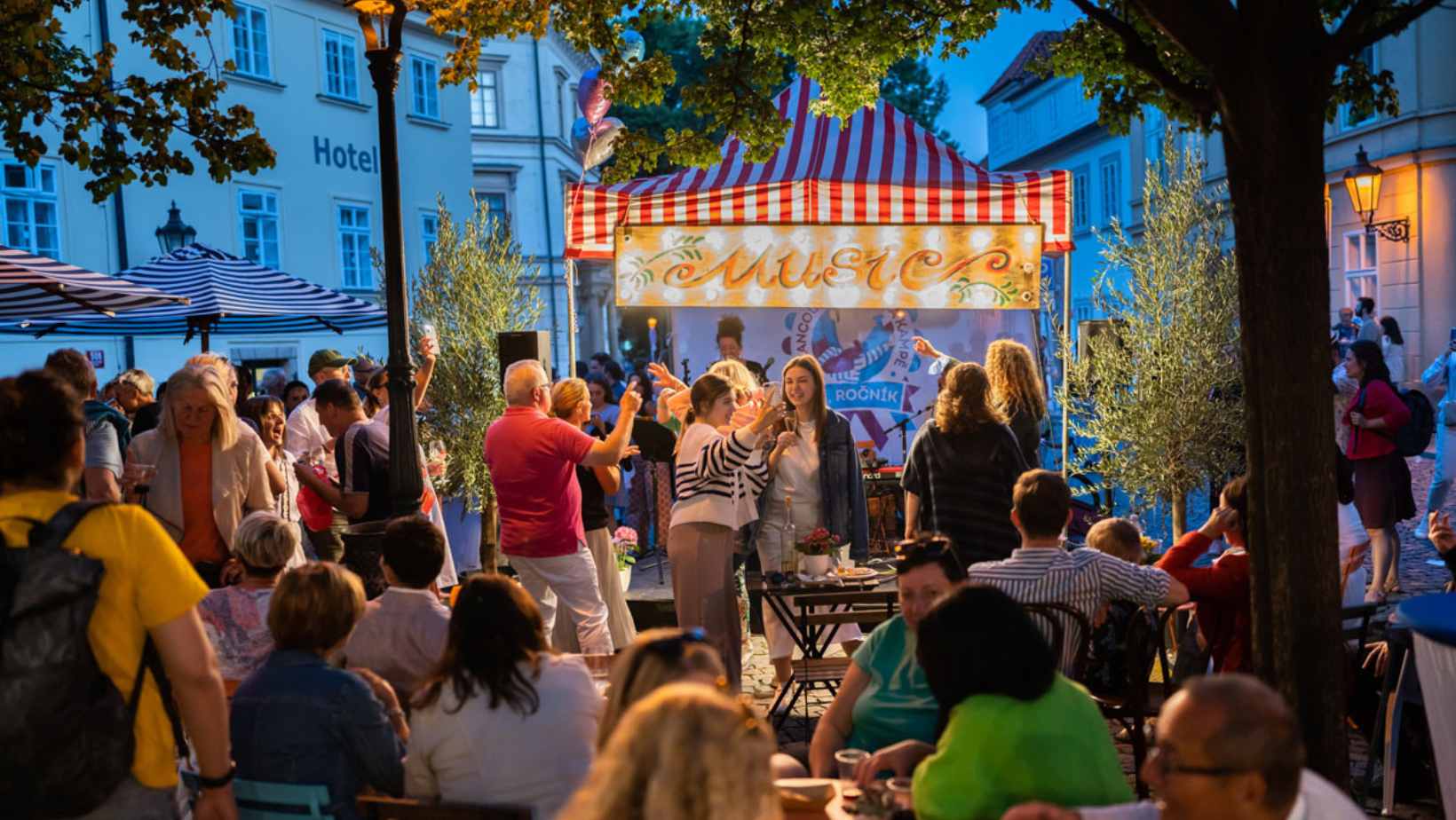
One of Prague’s best-known summer events is set to return to Kampa this July, bringing together French food, wine, music and culture in the heart of the city. From July 14 to 19, Kampa will once again host the annual French Market, bringing six days of regional food, wine, music and cultural events to the heart of Malá Strana.. Now in its nineteenth edition, the event will feature producers and vendors from across France, offering regional specialties ranging from seafood and cured meats to baked goods and sparkling wines. Organizers say this year’s program will place a particular focus on guest appearances and live performances. Among the most anticipated guests is Ferran Sentís Barcia, a finalist in the World Oyster Opening Championship. Visitors will have the opportunity not only to sample fresh oysters but also to watch demonstrations from one of the most respected oyster-opening specialists working today. Seafood will be joined by a wide selection of traditional French products. Visitors can expect to find Jambon Noir de Bigorre, a premium ham aged for two years in the foothills of the French Pyrenees. The No Stress Bakery stand will present saucisson brioche, a classic specialty from the Lyon region, while...
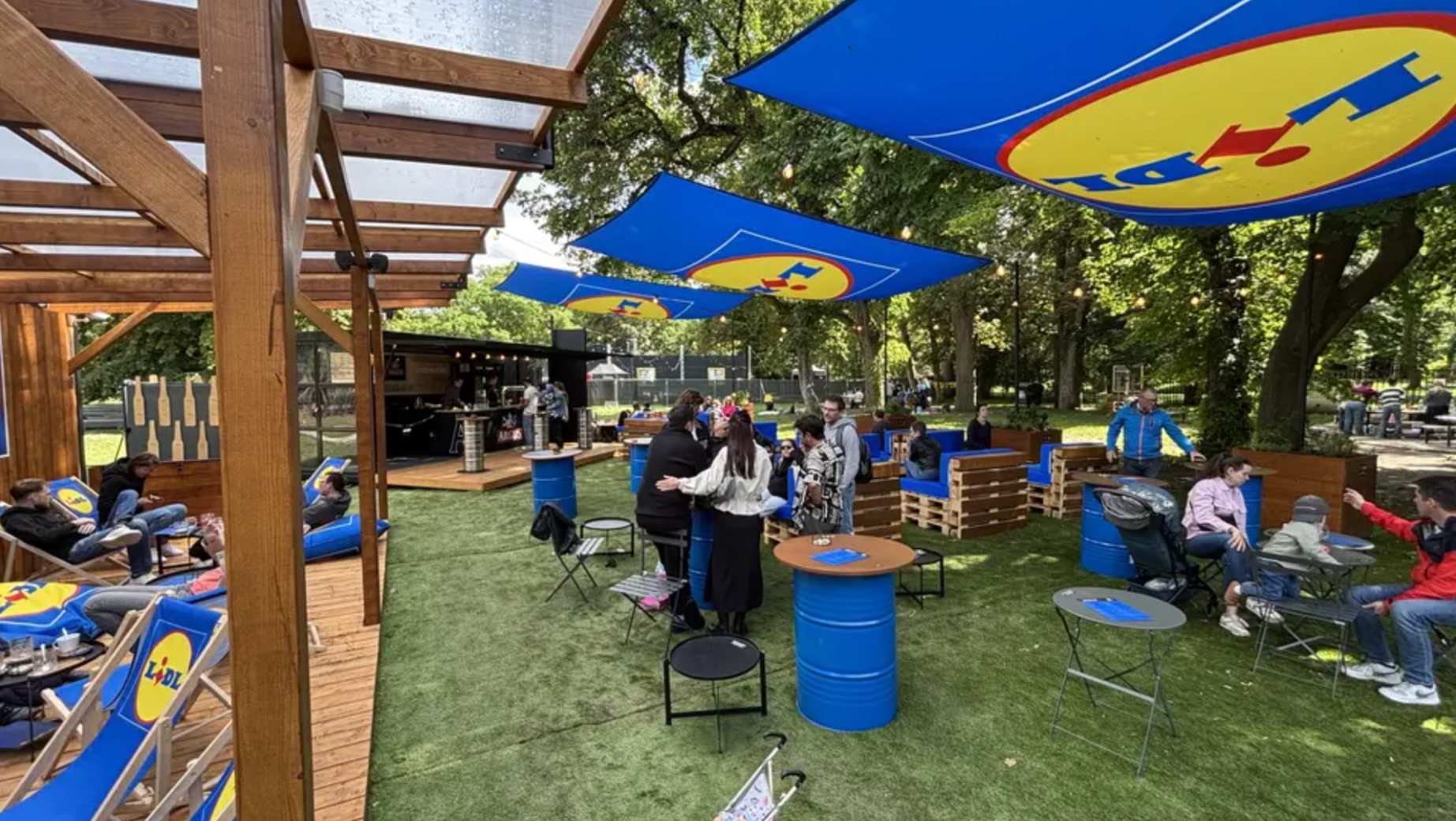
Lidl Czech Republic has launched a seasonal outdoor terrace at the Prague Exhibition Grounds in Stromovka, introducing a new concept that combines food, drinks and community events in one location. The temporary venue is situated next to the park’s public grilling area, allowing visitors to purchase ingredients on-site and prepare them at nearby grill stations. The terrace offers a selection of Lidl’s private-label products commonly found in its stores. Visitors can buy snacks, ice cream and barbecue ingredients directly at the venue. Draft Argus beer and non-alcoholic radlers are also available. Customers using the Lidl Plus mobile application can access discounted prices. A small draft beer costs 15 CZK through the app, while a half-liter beer is available for 25 CZK. Lidl said the beer-serving area is clearly marked as restricted to adults, with staff checking identification documents when necessary. A dedicated Bellarom Café section has also been created within the terrace. The café serves espresso, cappuccino, iced coffee and other coffee drinks. Lidl Plus users can take advantage of lower prices on selected beverages. The menu also includes lemonades, iced tea, prosecco and additional refreshments. The company plans to host a range of activities throughout the summer. The program...
Prague is a loud, heavy city. If you live here, you’re likely walking around with a tight jaw and a nervous system stuck in “fight” mode. For most people, the solution is a brutal deep-tissue massage—getting a therapist to dig an elbow into a knot until it gives up. But a growing crowd is heading to Harmony Spa for something that works in the opposite direction. It’s called Kashmiri Tantric massage. And despite what you’ve seen in movies, it has nothing to do with Hollywood’s version of Tantra. The Tantric Reality At Harmony, this is Tantra in its traditional sense: a meditative practice built entirely around touch. There is no goal. You’re not trying to reach a specific state or fix anything. It’s about being present in your own body. For people used to measuring their day by productivity, that’s often the hardest part to understand. The Full-Body Shift Kashmiri massage comes from Northern India, and it doesn’t work like a standard treatment. There’s no moving from one muscle group to another. Instead, the experience is based on continuous, close, full-body contact. The therapist’s hands stay in near-constant connection with your skin, moving in slow, flowing patterns that treat the...
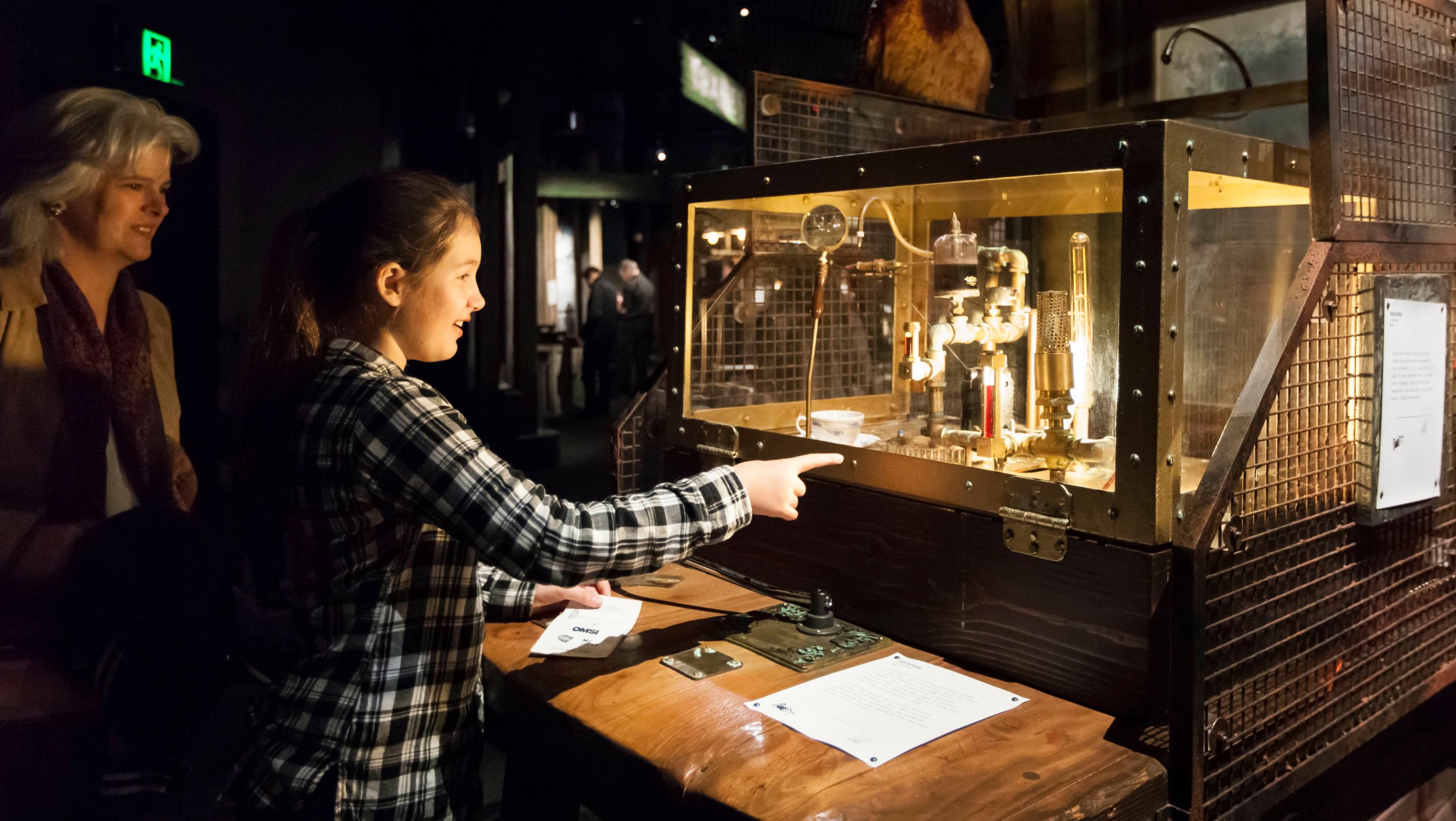
Fans of Sherlock Holmes will soon have the chance to solve a mystery of their own in Prague. Sherlock Holmes The Exhibition opens at Galerie Bílá Labuť on June 17, bringing the famous detective’s world to the Czech capital through interactive displays, original artifacts and hands-on activities. The exhibition explores how Sir Arthur Conan Doyle created one of literature’s most enduring characters and how Holmes’ methods helped shape modern detective work. Instead of simply walking through a traditional exhibition, visitors will be invited to take part in an investigation. Upon arrival, they will receive a notebook filled with clues and set out to solve a case created especially for the Prague exhibition by author and Conan Doyle biographer Daniel Stashower. The exhibition also looks at the life of Arthur Conan Doyle before Sherlock Holmes became a global phenomenon. Visitors will learn about his years as a medical student in Edinburgh, his work as a doctor and the experiences that influenced his writing. Original manuscripts, letters and illustrations will be on display. Another section focuses on the science behind Holmes’ investigations. Long before forensic methods became standard practice, the fictional detective relied on observation, evidence and logical reasoning to solve crimes....
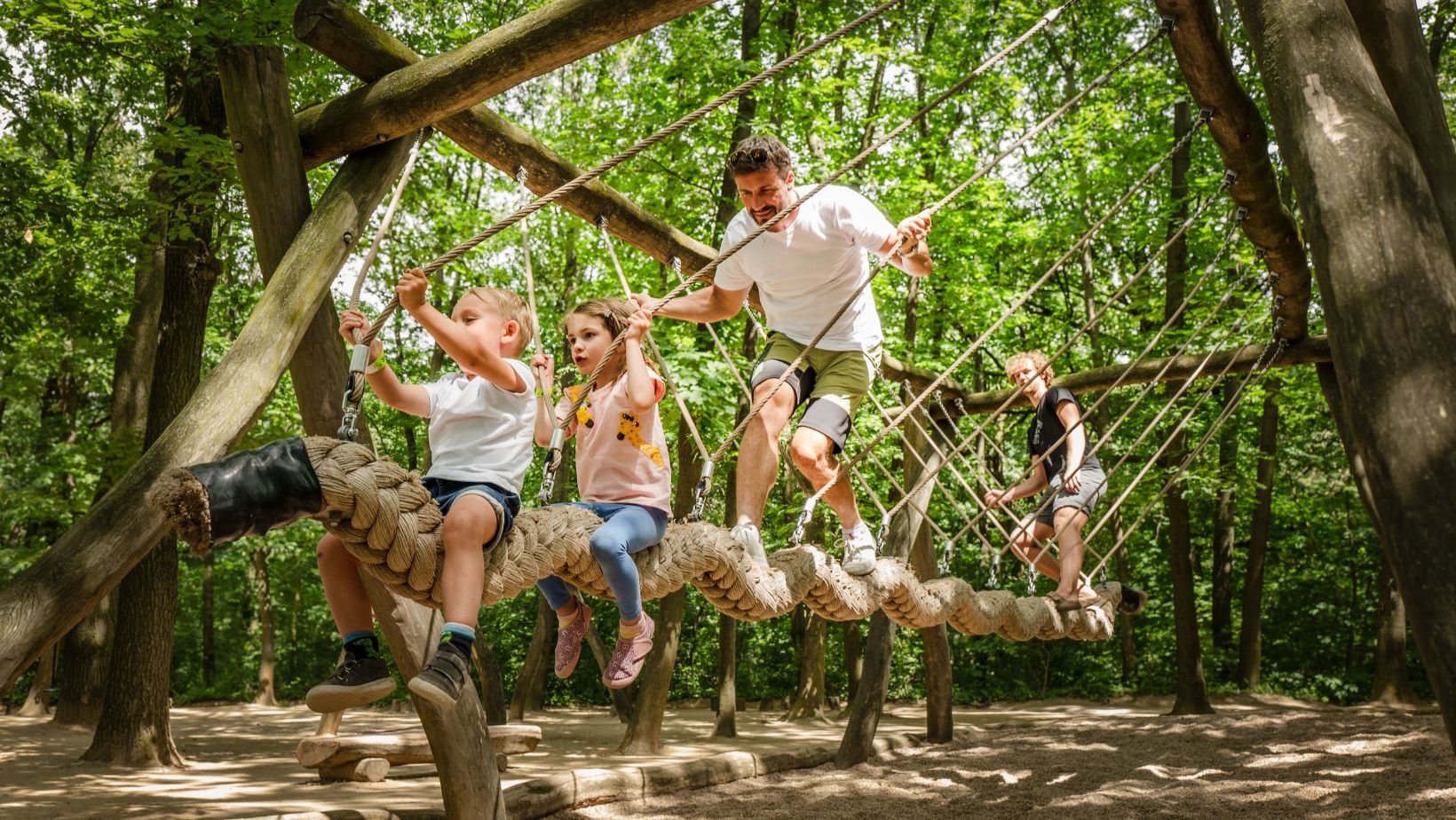
If you’re looking for a family-friendly day trip from Prague, Mirakulum in Milovice is one of the Czech Republic’s largest outdoor amusement parks for children. Rather than focusing on rides, the park is built around active play. Children can explore a large wooden castle, underground tunnels, climbing structures, rope courses, slides, trampolines, water features, and a range of playgrounds spread across a large outdoor area. The park, located just 40 kilometers from Prague, is designed for families to spend an entire day outdoors, with picnic areas, restaurants, shaded spots, and plenty of open space. View this post on Instagram A post shared by Mirakulum (@park_mirakulum) A single admission ticket covers all attractions inside the park, so there are no additional charges once you’re in. Mirakulum is also preparing a major expansion. A new wooden roller coaster is expected to open in 2027, adding the park’s first large-scale ride attraction. More information, including opening hours and ticket prices, is available on Mirakulum’s website. Would you like us to write about your business? Find out more
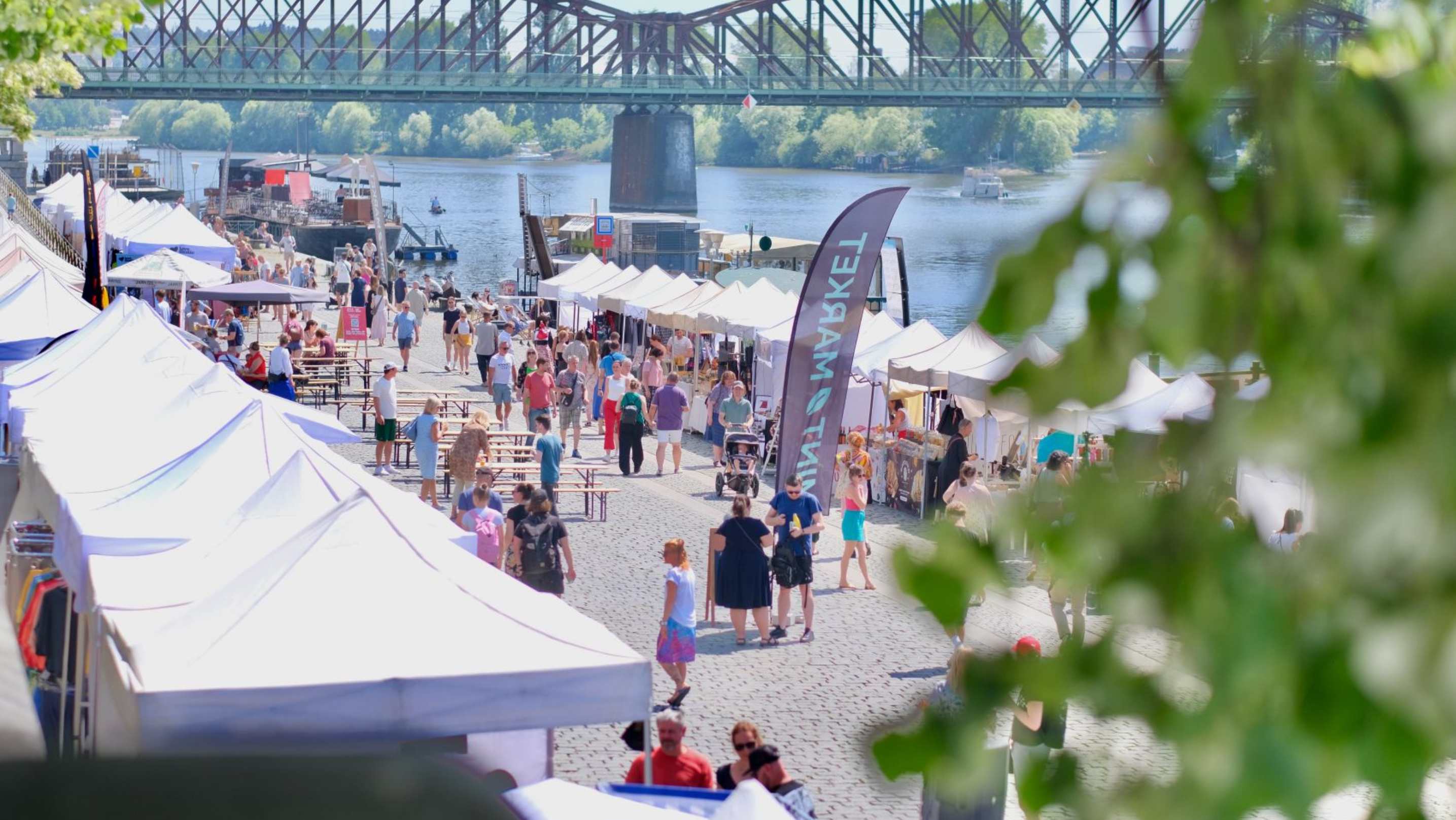
Rašínovo Embankment will become a hub of independent fashion, original jewelry, and author design this June. MINT Market Prague returns to the Vltava riverfront for the second time this year. On Sunday, June 14, more than 130 carefully selected brands will showcase their work along Rašínovo nábřeží From 10:00 to 17:00, visitors can look forward to a carefully curated mix of brands focused on independent fashion, designer jewelry, ceramics, natural cosmetics, illustrations, and original accessories. The friendly atmosphere typical of MINT Market will of course be present, along with great food and a comfortable chill-out zone. Outdoor fashion shows will take place at 11:00 and 14:00. The event is suitable for all generations, admission is free, and the venue is barrier-free. MINT Market has been active for sixteen years. During that time, it has become an important platform for small and emerging creators, often directly from Prague, who are given the opportunity to present their products to a wide audience. Residents of Prague and the surrounding area thus have several opportunities each year to purchase quality products that are literally made by their neighbors – locally, sustainably, and with an emphasis on honest craftsmanship. View this post on Instagram...
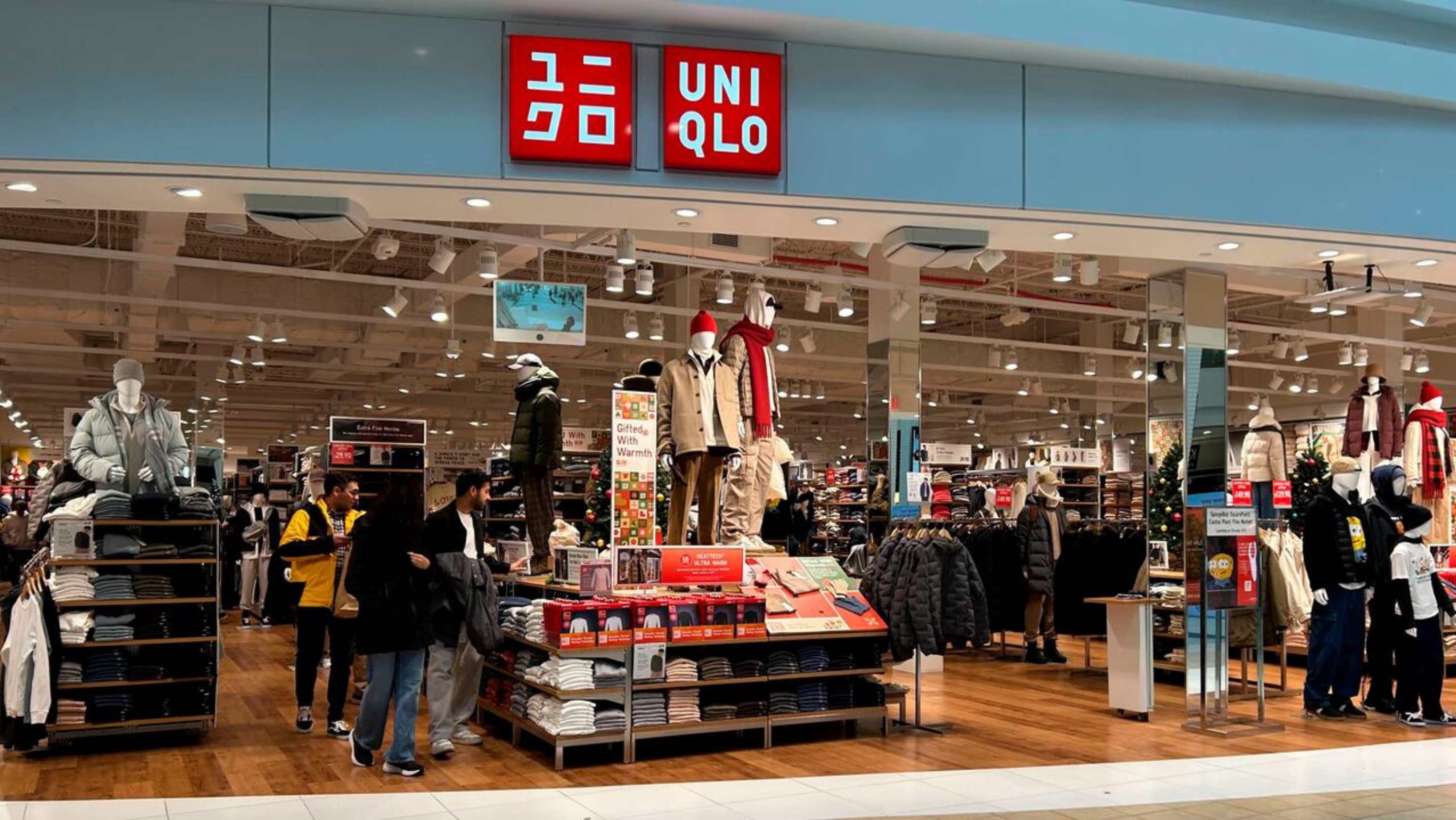
Japanese clothing retailer Uniqlo has selected a prominent location in central Prague for its long-awaited entry into the Czech market. The company will open its first Czech store in Hybernia Palace at Náměstí Republiky 3, one of the capital’s busiest commercial areas. According to information published by iDNES.cz, the retailer has already signed a lease agreement for the property. The opening, however, is still several years away, with the project expected to be completed no earlier than the first quarter of 2028. The future store will occupy approximately 7,700 square meters spread across four retail floors within Hybernia Palace. The move marks another step in Uniqlo’s European expansion strategy. While the company continues to grow globally, executives have repeatedly identified Europe as one of its most promising markets. “In Europe, where we see enormous potential, our growth is significantly faster than in Japan or the United States,” Taku Morikawa, who leads the company’s European operations, recently told Swiss newspaper Neue Zürcher Zeitung. Founded in Hiroshima in 1984, Uniqlo has evolved from a single-store operation into one of the world’s largest apparel retailers. The company now operates thousands of stores internationally, including more than 1,000 locations in China and over 100...
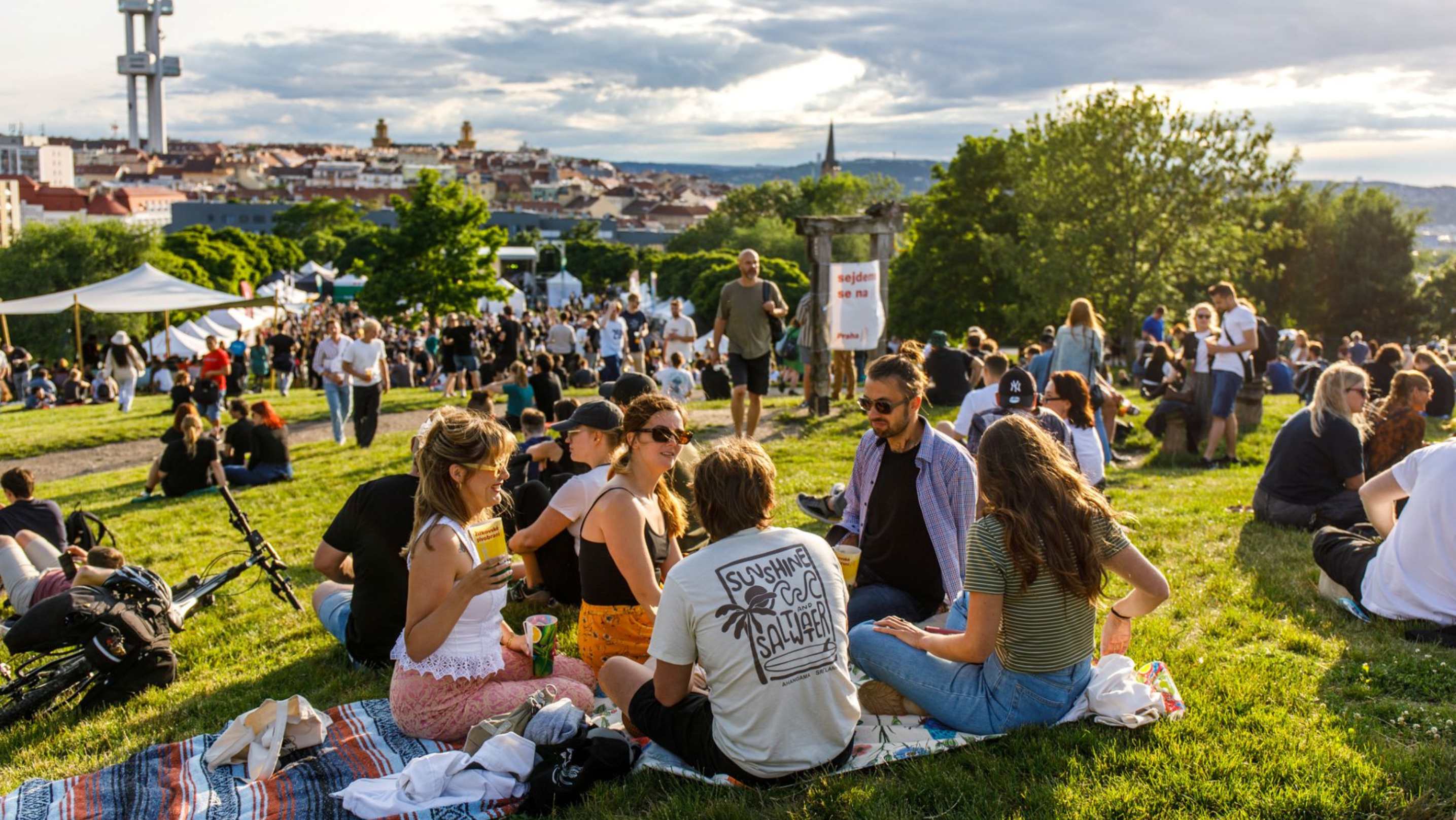
June is one of the busiest months of the year in Prague, bringing dozens of outdoor festivals, food markets, concerts and family events across the city. Lifestyle Events Letni kino v Holesovicke trznici (every Thursday 4 Jun-27 Aug 2026, 21:00 | Holesovicka trznice) Every Thursday evening from June to August, the Food Truck Point at Holešovická tržnice transforms into a free open-air cinema under the stars. June screenings include cult classics such as Pulp Fiction, Grease, Back to the Future and Smoke. Admission is always free, with food from La Paletta, Greek Gastro, Pavlo’s burgers and Laziz Indian Streetfood available throughout the evening. Screenings are cancelled in case of rain. Festival bonsai and Japonese culture (5-14 Jun 2026 | Botanicka zahrada hl. m. Prahy, sklenik Fata Morgana) The tropical greenhouse Fata Morgana becomes a gateway to Japanese culture through the ancient art of bonsai cultivation. It offers ten days of workshops, demonstrations and cultural programmes that attract both gardening enthusiasts and anyone seeking deeper connections with Japanese philosophy and aesthetics. Festival We Love Prosek (5-7 Jun 2026, 14:00-20:00 | Park Pratelstvi) This neighbourhood festival transforms Park Přátelství into a community celebration with local bands, food stalls and activities for all ages. It remains...
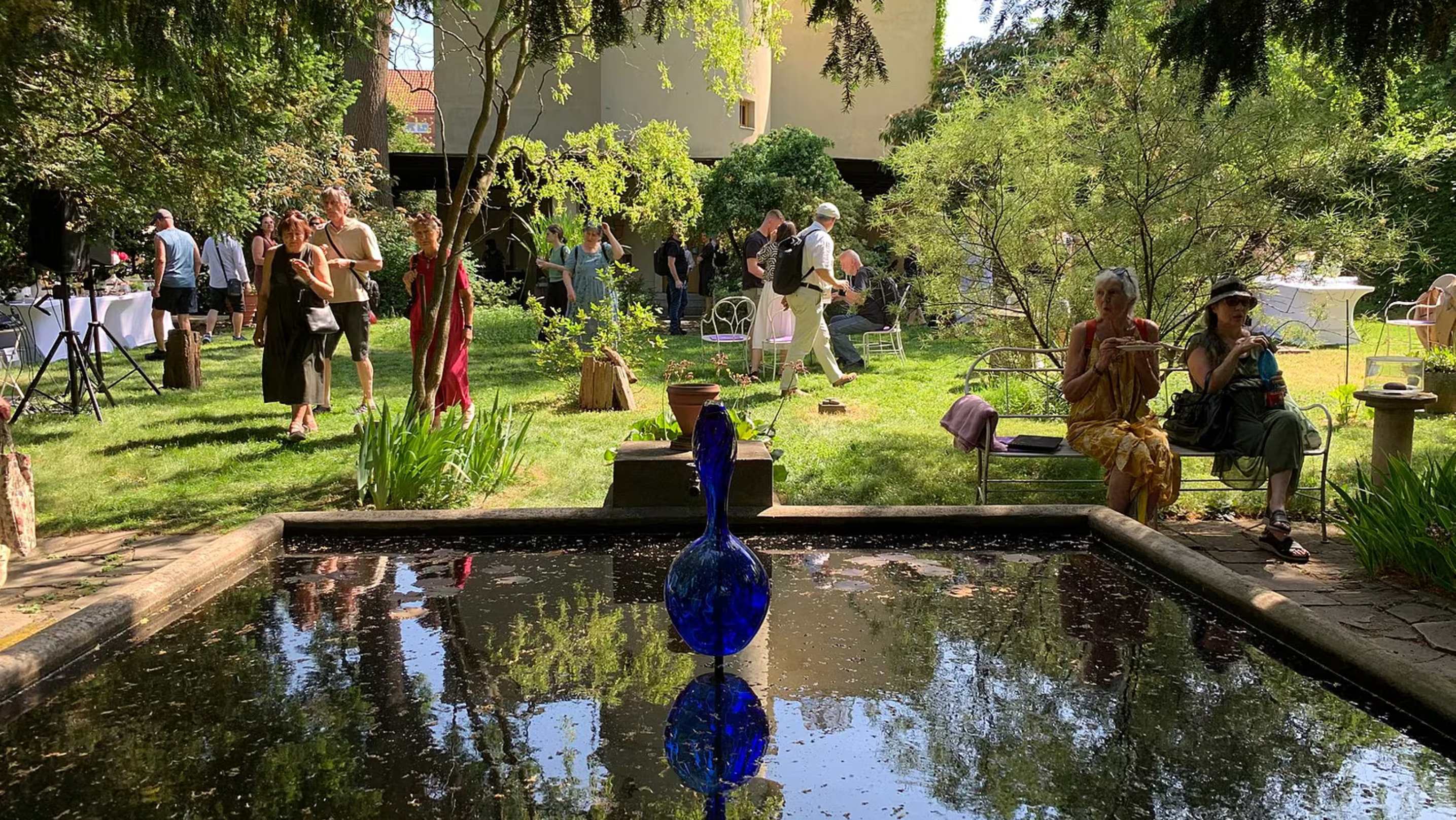
Prague has gained a new public green space offering a rare sense of calm in the northwestern part of the city. The garden of the Rothmayer Villa in Prague 6 has been opened permanently to visitors by the Prague City Museum, adding a quiet cultural site to the border area between Břevnov and Střešovice. The space, previously accessible only as part of guided tours, is now available during the villa’s opening hours. Visitors can walk through shaded paths, sit among carefully arranged greenery and experience a place shaped by architecture, art and personal history. According to the Prague City Museum, the goal is to open the site not only to architecture enthusiasts but also to residents looking for a place to slow down. “The garden of Rothmayer Villa is a unique space with a calm atmosphere,” said Eliška Zlatohlávková, head of the villa department at the Prague City Museum. She added that the garden can serve as a place to pause, unwind or briefly step away from the pace of the city. The garden was created together with the villa at the end of the 1920s. The house was built between 1928 and 1929 by architect Otto Rothmayer, a student...
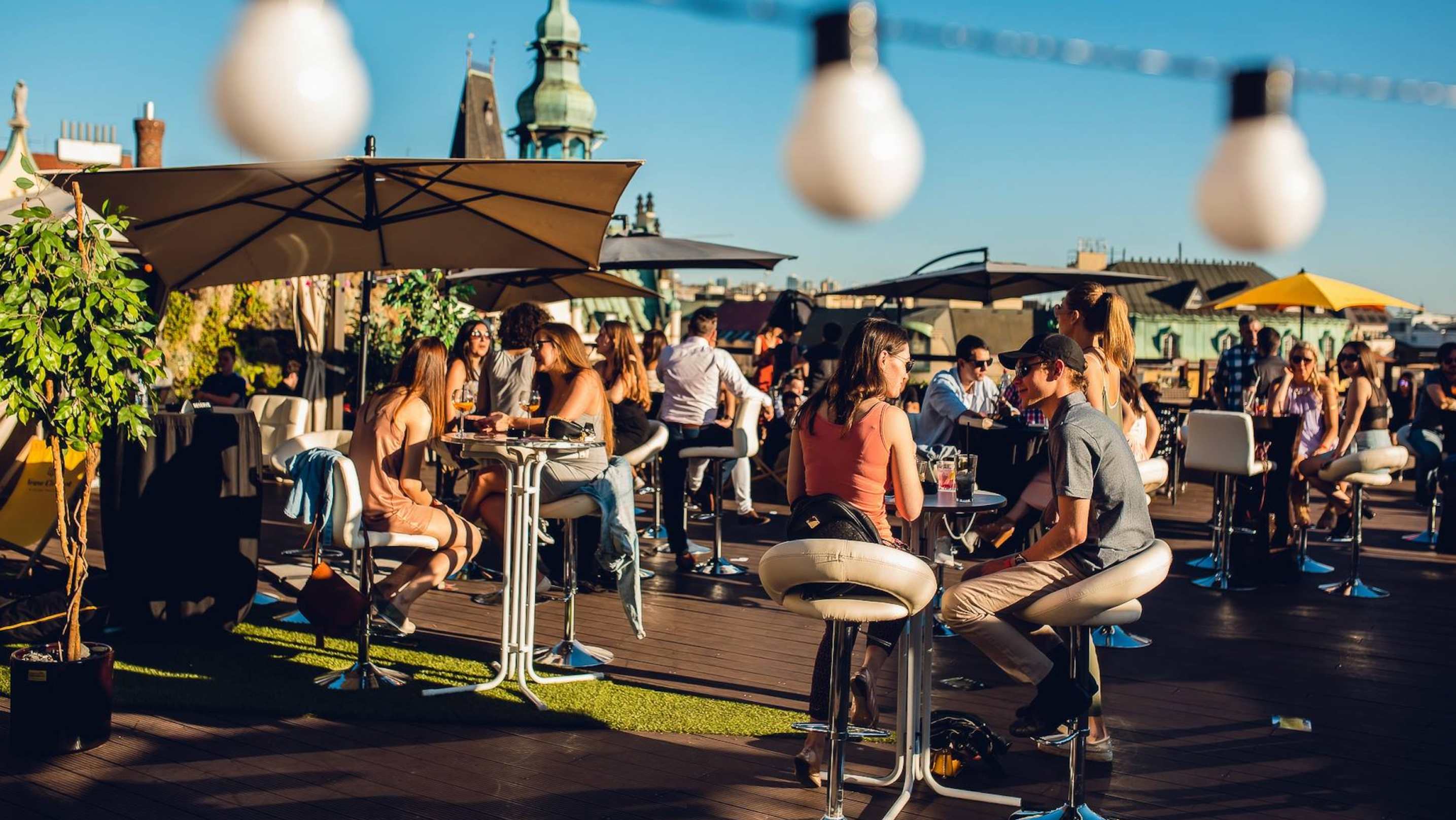
Prague Rooftop Festival (PRF) returns for its 2026 season, marking 10 years since the concept first launched with the vision of transforming Prague’s rooftops into unique social and cultural experiences. Over the last decade, PRF has helped shape Prague’s growing rooftop culture through events combining music, sunsets, brunches, cocktails, and panoramic city views. As more rooftops continue opening and new concepts emerge across the city, the festival aims to remain at the forefront of Prague’s evolving rooftop scene. “For us, it’s amazing to see how much rooftop culture in Prague has developed over the last 10 years,” says founder Sandro Valigy. “We want to continue introducing new rooftops, new experiences, and pushing the concept further each season.” The 2026 season will feature weekly rooftop events, sunset sessions, collaborations with hospitality and lifestyle brands, and carefully selected local and international DJs. New venues will be revealed progressively throughout the season. PRF is also currently developing a new afterwork-focused concept, with further details expected to be announced shortly. Tickets for the first announced events are already on sale. View this post on Instagram A post shared by Prague Rooftop Festival (@praguerooftopfestival) Would you like us to write about your business? Find...
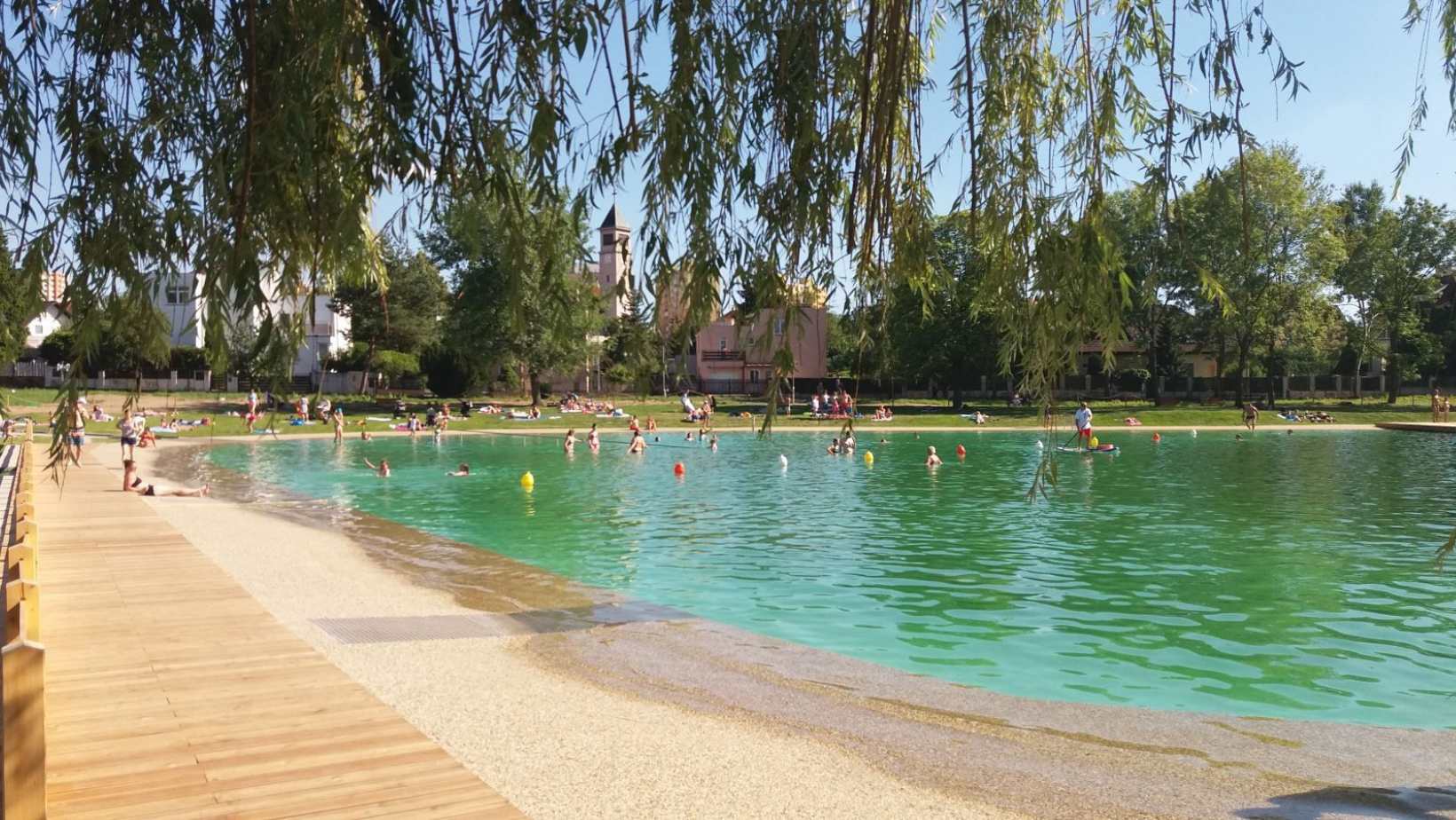
Prague’s outdoor swimming pools are opening their gates for the 2026 season. From Petynka in Prague 6 to Hostivař reservoir in Prague 10, here is everything you need to know before heading out — opening hours, ticket prices and what has changed this year. Hostivař Reservoir and Radotín Biotope already welcoming swimmers The Hostivařska přehrada in Prague 10 is one of the most popular summer destinations in the city. Both the main beach and the nudist section are open daily from 9 a.m. to 8 p.m. An all-day adult ticket costs 170 CZK; seniors and children under 140 cm pay 110 CZK. Children shorter than one metre enter free. The Radotín Biotop has been welcoming swimmers since May 18. The site runs from 10 a.m. to 6 p.m., with a standard admission of 200 CZK for the day. Pensioners and children aged 6 to 12 pay 160 CZK. Petynka in Prague 6 — Open but with Reduced Capacity Petynka opened in mid-May, though ongoing construction work on its covered section has trimmed maximum capacity from 1,600 to 1,300 visitors. Beach volleyball, table tennis and children’s quad bikes are temporarily out of service; the water slide remains in operation. Opening hours:...
Don’t have an account? Register
Already have an account? Log In
How Would You Like to Promote Your Business? PR ArticleDisplay bannersVideo productionNewsletter adsJob ListingsInfluencer Marketing
Your Email
We will come back to you within 24 hours with our proporsal