The Czech Statistical Office (CZSO) reported that most staple foods monitored in April increased in price compared to March. The price of apples climbed the most, rising 9.07% to 37.28 crowns per kilogram. Plain wheat flour also saw a significant increase of 7.04%, reaching 21.14 crowns per kilogram. Year-on-year data from the CZSO shows some items even became more expensive. For instance, potatoes, which cost 21.98 crowns per kilogram in April 2023, rose to 27.42 crowns this year, a hike of 24.75%. Out of the 13 items tracked by the CZSO, nine saw price increases in April compared to March. A cup of plain yogurt went up by exactly 3% to 10.66 crowns, while a kilogram of frozen edamame beans reached 180.95 crowns. Roast pork increased by 3.22% to 180.42 crowns per kilogram. Small price bumps of 1-2% were also seen for potatoes, light bottled beer, sugar, and butter. Interestingly, while edam cheese, yogurt, flour, and sugar were more expensive compared to March, their prices actually decreased year-on-year. On the other hand, eggs became cheaper month-on-month in April, dropping around 5% to 43.62 crowns per dozen. Their price also decreased significantly year-on-year, by more than a quarter. Sugar prices saw...
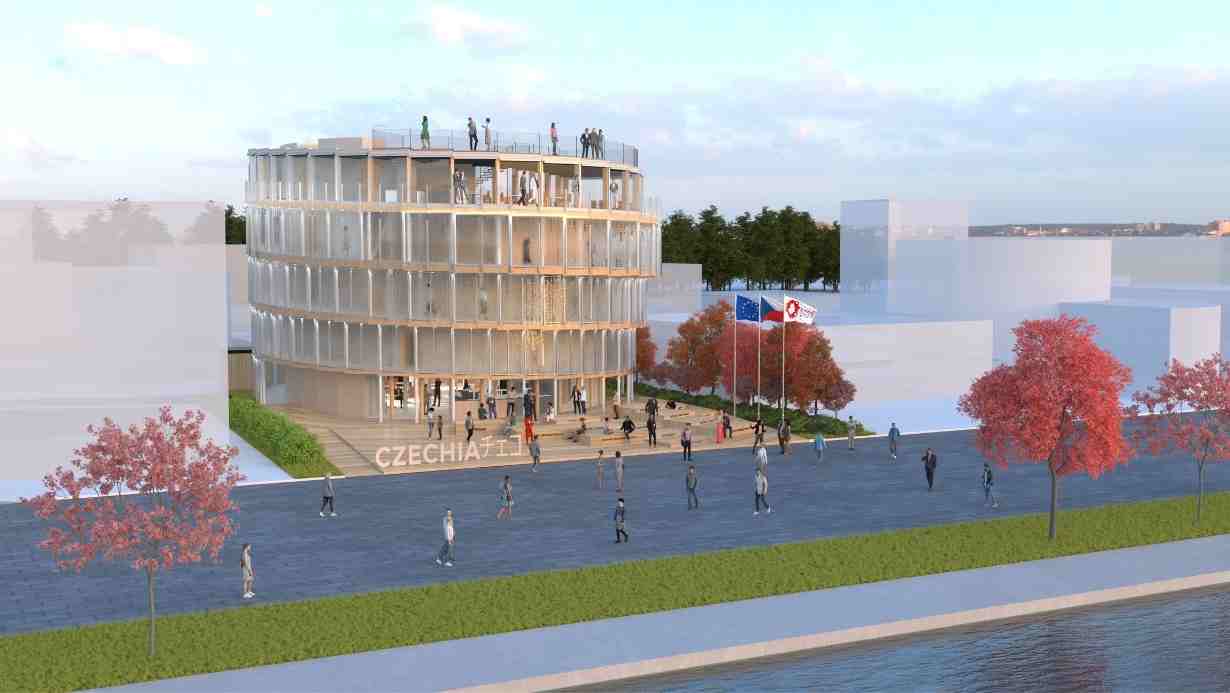
The Czech Republic is setting ambitious goals for Expo 2025 in Osaka, Japan. Their pavilion, a striking wooden structure on prime waterfront real estate, promises to be a technological marvel and a launchpad for Czech businesses in Asia. Building on Success Decades after a well-received Czech pavilion at a previous Expo, the Czechs are raising the bar. Their new pavilion boasts a unique design by Apropos Architects, constructed from wood and glass. This wooden marvel stands out in Japan, where earthquake regulations typically limit such structures. The Czechs, however, have addressed these concerns, proving the building’s resilience to Japan’s authorities. Innovation Takes Center Stage The pavilion isn’t just about aesthetics; it’s a platform for Czech innovation. Visitors will be greeted by displays showcasing Czech achievements in engineering, finance, agriculture, and artificial intelligence. A central auditorium serves as a venue for business meetings, conferences, and workshops, fostering partnerships between Czech and Asian companies. A Taste of Czechia Cultural immersion goes beyond exhibits. A rooftop restaurant offers stunning ocean views and a delectable taste of Czech cuisine, adapted for Japanese palates. Beer will flow freely from over 100 taps, with a focus on efficiency – the Czechs have even timed how long...
Former deputy Dominik Feri has been sentenced to three years in prison. The decision was confirmed by the Prague Municipal Court. Feri, a former TOP 09 member, resigned from his parliamentary seat amidst the accusations but maintained his innocence. The case involves incidents reportedly occurring in Feri’s Žižkov apartment in 2016 and an attempted assault in 2018. However, he rejected claims that he had committed rape, although conceded that his behaviour may have been “inappropriate” at times. During the appeal process, Feri challenged the credibility of the girls who accused him of rape. He argued against the evidence presented, particularly regarding the presence of narcotics in a drink provided to one of the victims. The victims, including a minor, accused Feri of various sexual acts without their consent. The Prague 3 District Court ruled that Feri is to pay a total of CZK 510,000 to the victims, and another CZK 33,000 to cover the cost of psychotherapy for one of them. Adéla Hořejší, representing the victims, emphasized the impact of the crimes on their lives and advocated for higher compensation. She pointed to the psychological trauma Feri’s victims had endured and the impact of the assault and hearings on their private lives....
The Czech government is proposing a change that could make it simpler for skilled workers from certain developed countries to find employment in the Czech Republic. According to a draft regulation, citizens from Australia, Canada, Japan, New Zealand, South Korea, the United Kingdom, and the United States might not need work permits or employment cards starting in July. This amendment to Czech employment law aims to attract highly qualified professionals and managers by granting them easier access to the job market. It would also reduce the administrative burden on businesses seeking to hire foreign talent. The Ministry of Labour and Social Affairs, which prepared the draft, explained that these countries were chosen because they represent strong economies and because the Czech Republic has a history of successful collaboration with them. However, the Ministry acknowledges that unlike the existing agreements with some of these countries, “reciprocal treatment” for Czech workers in those nations is not guaranteed. While work permits are not currently required for some of these nationalities under existing agreements, the Ministry admits these agreements haven’t been widely used. They emphasize that citizens from these countries typically hold high-skilled positions and are not seeking illegal work or asylum. Data from...
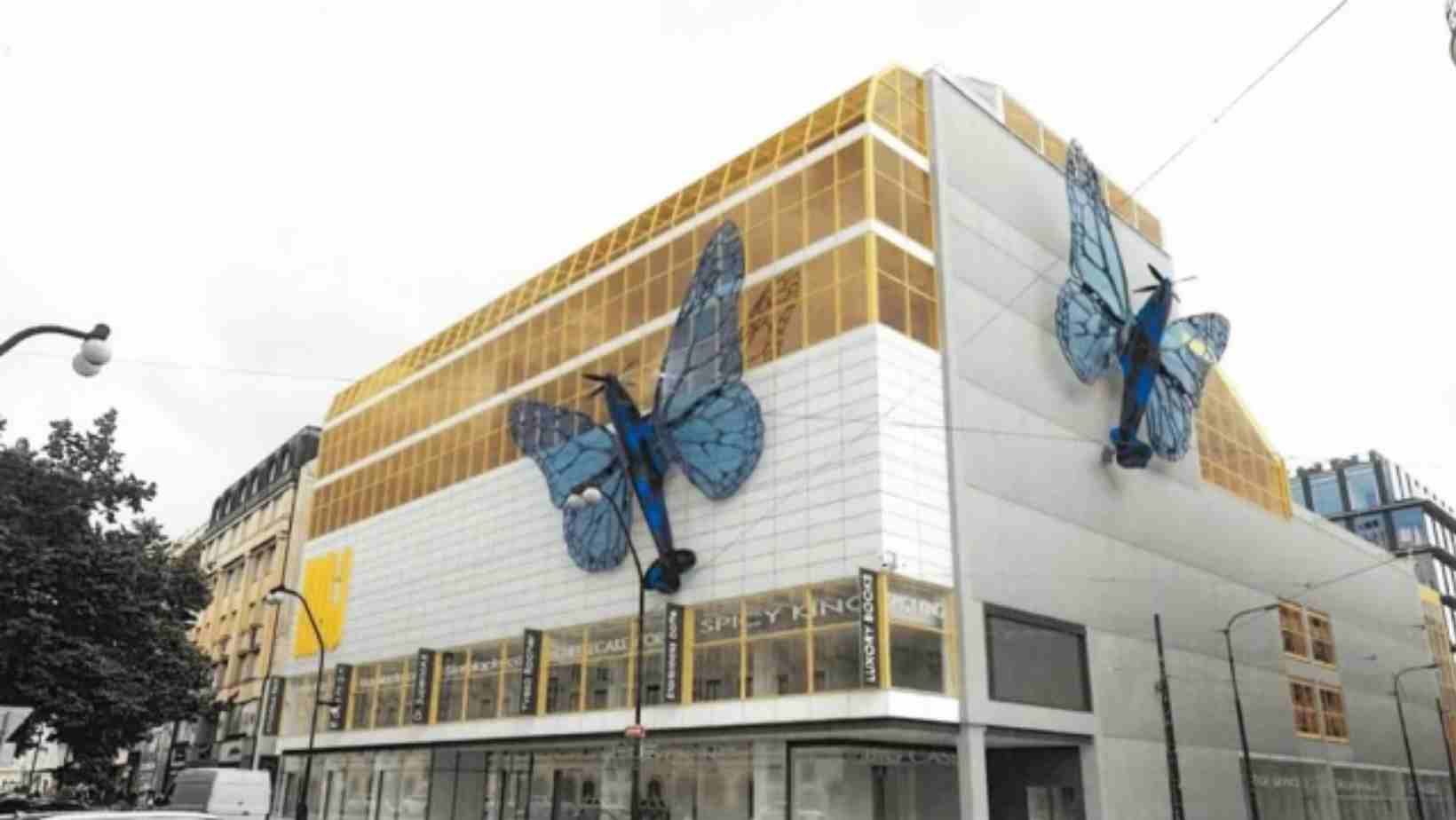
The renovation of Prague’s Máj department store on Národní třída Street is nearing its June completion date. Visitors will now have access to nine out of 11 floors, a significant increase from the previous six. This translates to a more spacious retail area of 17,000 square meters. The revamped basement level will house a Tesco supermarket, while the first and second floors will be dedicated to restaurants, cafes, pharmacies, and shops offering flowers, accessories, clothing, and more. Foodies will rejoice at the new food hall, boasting a whopping 750 seats and a diverse selection of quick bites and classic dishes from popular brands like Popeyes, Burger King, Banh-mi, Prima bašta, Misushi, Amerikanos, and others. The upper floors will cater to entertainment with an amusement park and dedicated spaces for cultural and educational events. Crowning the building will be a restaurant with a breathtaking panoramic view of Prague, accessible through the glass roof. The entire project cost the investor a staggering CZK 4 billion. Beyond the interior, the building’s facade will undergo a temporary transformation for one year. Two giant, mobile sculptures designed by renowned Czech artist David Černý will adorn the building’s exterior. The two giant structures, standing several meters...
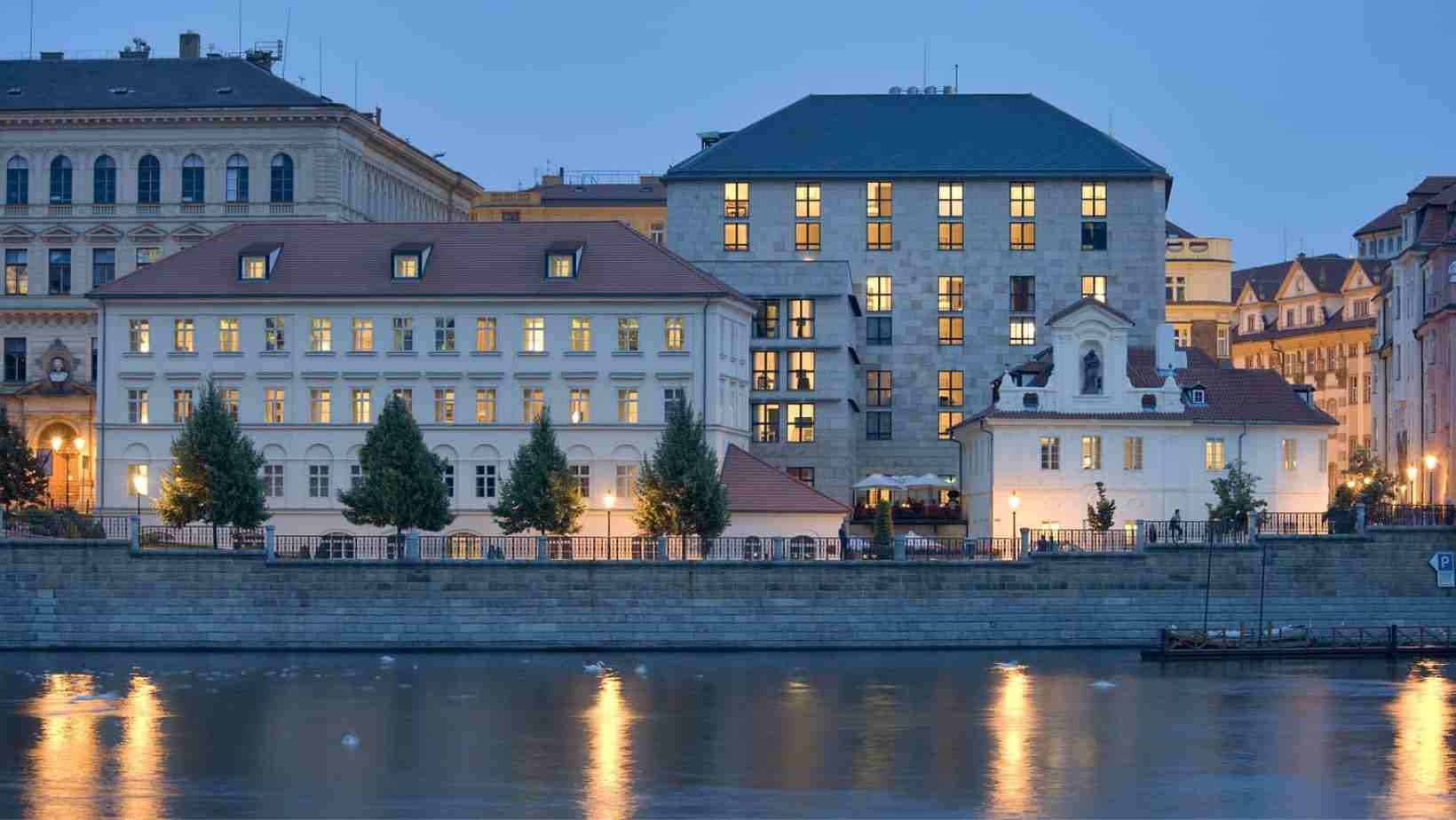
The American investment group Northwood Investors is selling the Four Seasons Hotel Prague, located near the Charles Bridge. According to Hospodarske Noviny, citing three independent sources, Northwood, which has owned the hotel since 2014, is closest to finalizing a deal with Renáta Kellnerová. While the purchase will be a personal investment by Kellnerová through her recently formed superholding Amalar, it will remain separate from the PPF Group. Market estimates place the Four Seasons at a price tag of approximately CZK 3.7 billion (EUR 150 million). Northwood acquired the property a decade ago for nearly 80 million euros from the Irish investment group Avestus. This sale coincides with a surge in premium hotel offerings on the market, including the Imperial and Sanssouci spa hotels in Karlovy Vary and the Trade Union-owned Imperial Hotel in Prague. Consultancy Cushman & Wakefield reports that nine hotels were sold in the Czech Republic last year, with most investments concentrated in Prague and originating from abroad. The Czech hotel industry experienced a significant rebound in occupancy rates in 2023, approaching pre-pandemic levels. Nationwide occupancy reached 71%, a 7% decrease compared to 2019. Room rates, however, climbed by 10% year-on-year. In Prague specifically, the average nightly rate...
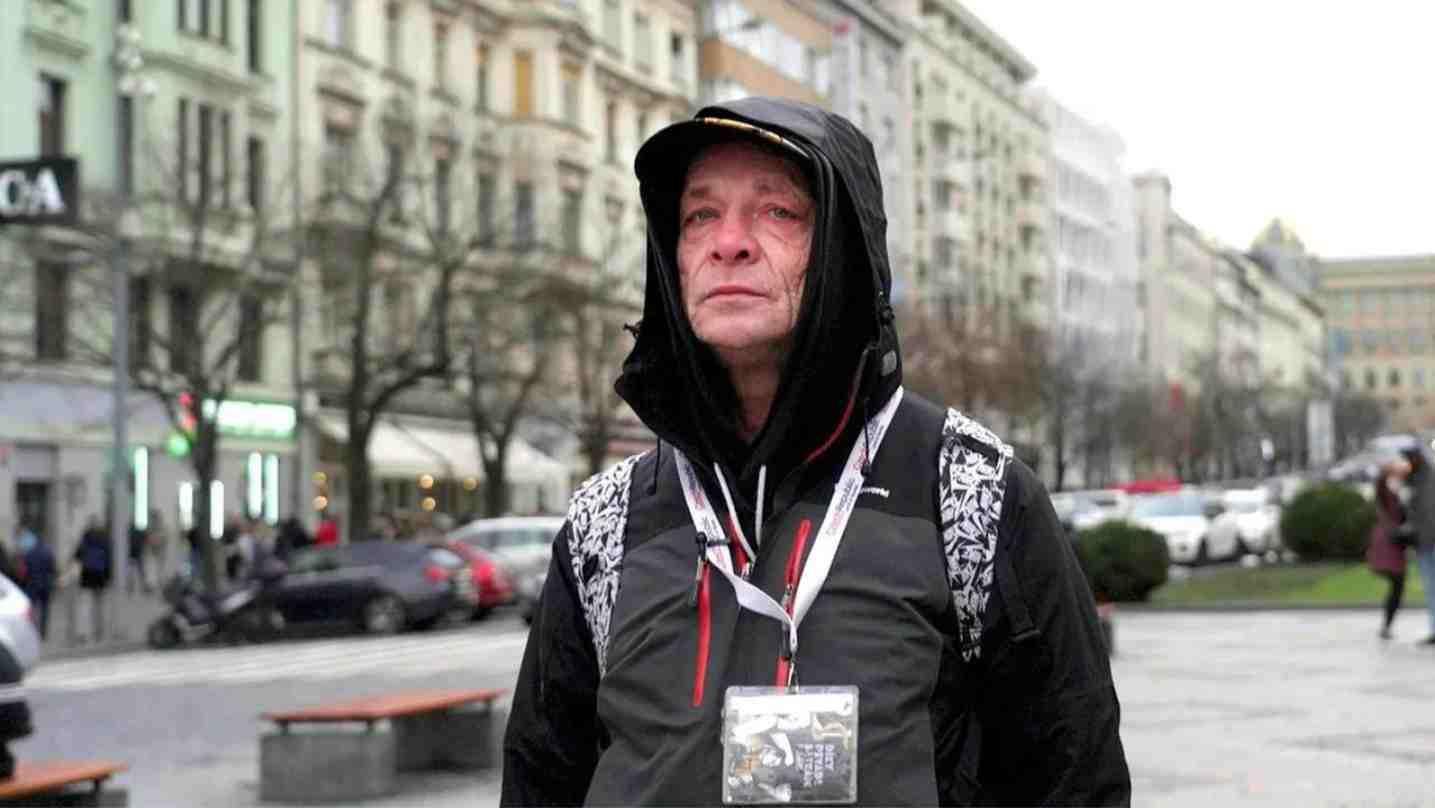
British newspaper The Guardian sheds light on a concerning trend in Prague: a significant increase in homelessness. Their video documentary investigates the factors driving this issue in the Czech capital, which holds the dubious distinction of having the highest number of homeless people in Central and Eastern Europe. The documentary follows Karel, a former sex worker turned homeless person, as he guides the reporter through the city. Together, they visit locations frequented by Prague’s homeless population, including Karlovo náměstí and Wenceslas Square. Karel shares his experiences and sheds light on the city’s history as a haven for sex tourism, which continues to impact lives. The rising cost of living – with inflation pushing people into financial distress – and the ease with which someone can find themselves homeless are highlighted. The documentary explores the vital work of NGOs like Pragulic, which offers guided walks to help homeless individuals reconnect with the city. However, it raises the crucial question: can such initiatives alone solve the crisis? The reporter delves deeper, visiting the Naděje NGO and their day center near the main train station. Here, social workers grapple with limited capacity, forcing them to turn away those in need. Furthermore, the issue...
Virtual School Australia is a leading platform dedicated to fostering global empathy and empowering individuals through education and innovative conferences. The mission is to inspire positive change and create a more empathetic world, through the Global Empathy Conferences. Since the onset of the COVID-19 pandemic in 2021, Virtual School Australia has been at the forefront of offering transformative Global Empathy Conferences annually. Drawing from the success of past editions held in London, Adelaide, and Seoul, which attracted a diverse and enthusiastic global audience. The 6th Global Empathy Conference is scheduled to take place at the esteemed Charles University in Prague, Czech Republic, on Saturday, May 4, 2024. This prestigious event aims to bring together a diverse audience, including esteemed researchers, academics, writers, and classroom teachers from around the world. The theme of “Empathy in Action” underscores the conference’s mission to share invaluable insights, exemplary practices, and groundbreaking research in the field of empathy in action. The 6th Global Empathy Conference at Charles University in Prague, which will be chaired by Dr Sharmila Roy, PhD, the Chair of the Educational Therapy certificate program at the University of California, Silicon Valley Extension, USA. Conference Highlights: Keynote Speakers: Renowned Professor Robin Banerjee will...
The wait is over for fans of fresh beer and a unique brewery experience! After a winter break, the Staropramen Brewery is reopening its doors to the public for the first “Taps Under the Chimney” event of 2024. Taking place on Thursday, April 25th, at 5 pm, this popular event offers a chance to sample some exciting new brews straight from the source. This year’s event kicks off with the debut of Staropramen’s improved Staropramen Extra Chmel and Staropramen Nealko (non-alcoholic) beers. Visitors can also enjoy last year’s successful addition, Staropramen 10. But delicious beer isn’t the only thing on tap. Attendees can also expect tasty refreshments and live music to create a lively atmosphere. In addition, for those blessed with good weather, a special treat awaits: the chance to climb to the gallery overlooking the cylindroconic tanks for breathtaking views of Prague. The “Taps Under the Chimney” event is a beloved tradition that began in 2017. Recognizing that beer tastes best shared with friends and family, Staropramen opened its brewery for the first time, allowing visitors to gather under the iconic chimney and enjoy a pint in a unique setting. The event’s success was immediate, and it’s become a...
The town of Žatec, in the Ústí nad Labem Region, has been named Czech “Historical Town of the Year” for 2024. The award, which comes with a one-million-crown cheque, honors those towns and cities that have excelled in preserving and renewing their cultural and architectural heritage. The “Historic Town of the Year” competition is organized annually by the Association of Historic Settlements in Bohemia, Moravia, and Silesia along with the Ministry of Regional Development. Last year, Žatec and the surrounding hop-growing landscape were granted UNESCO World Heritage status, becoming the 17th Czech entry on the list. The town showcases a unique hop-growing legacy that exists nowhere else in the world: besides the historical center, hop stores, and old drying and packing plants, Žatec also has a number of other heritage sites with industrial architecture. It even has the smallest hop garden in the world! Hops have been grown around Žatec for some 700 years now and during that time a unique landscape has been shaped with this in mind; the very best varieties originated here and people built towns literally designed around the hop processing industry. Throughout Žatec there are several interesting places and heritage sites in the history of...
This year, the Prague City Council approved a budget of over CZK 16 million for integration projects for foreigners. “Foreigners and national minorities are a reality; it’s our responsibility to find integration solutions,” stated Bohuslav Svoboda, Prague’s mayor. In 2021, an official agreement aimed at improving mutual coexistence between foreigners and Prague residents was signed. The municipality plans to support cultural, social, and educational events for foreigners until 2025, with additional updates. Various applications focused on activities supporting foreign integration were submitted to the municipality. These emphasized language training, community work, educational activities, and cultural and social projects for foreigners. A total of 92 projects were received, with 74 recommended for subsidization by the expert committee. Future plans include programs to involve foreign children in school groups, Czech language courses, and cultural festival organization. The municipality will fund organizations aiding refugees from Ukraine. “These initiatives promote diversity and cultural understanding, fostering an open and inclusive environment,” stated Jiří Pospíšil, Deputy Mayor of Culture (TOP 09). The focus of these activities is on the Czech Republic’s multi-ethnic nature, allowing foreigners to partake in the dominant culture while sharing their traditions and values. Would you like us to write about your business? Find...
During this spring, the City of Prague Forests (LHMP) will plant more than 89,000 tree seedlings around the city. Two-thirds of the seedlings will be planted in the southeast of the capital near Dubč, where new stands will be established in two formerly non-forested areas. The remaining third of the seedlings will be added to trees in existing forests. Traditionally, oaks and other deciduous tree species suitable for the climatic conditions of Prague predominate in the plantations. Pupils of Prague schools are also involved in the work, helping to establish a forest for future generations. Almost 64,000 seedlings will take root in two areas in the area of Lítožnice and the Říčanka Nature Park between the towns of Dubeč and Běchovice. In this area, the City has been planting repeatedly over the last few years, gradually turning the area into a mosaic of water bodies, meadows, orchards and forests. The upcoming spring planting will target several key locations. The Modřany Gully, impacted by bark beetle infestation, will receive over 3,000 new trees. Cholupice will see nearly 4,000 seedlings planted, while the Satalická Obora grazing land will gain over 2,000. Existing forests throughout the city will benefit from a diverse selection...
Don’t have an account? Register
Already have an account? Log In
How Would You Like to Promote Your Business? PR ArticleDisplay bannersVideo productionNewsletter adsJob ListingsInfluencer Marketing
Your Email
We will come back to you within 24 hours with our proporsal