Patients in the Czech Republic could soon receive prescription medicines directly at home instead of collecting them in person at a pharmacy. The Health Ministry is preparing a system that would allow mail-order delivery of prescription drugs, a model already used across much of Europe. Health Minister Adam Vojtěch said the change should be completed during the current election term. According to him, patients should have the right to choose whether to collect medicines in person or have them delivered. Similar systems already operate in Germany, Denmark, the Netherlands, and the United Kingdom. The plan is not entirely new. Work on the project began under the previous leadership of the Health Ministry and was first introduced to professional groups last summer. The current administration is now moving the proposal forward. Vojtěch said the ministry is negotiating with pharmacists, distributors, and other stakeholders to define strict conditions. Safety remains the main issue. The system must preserve the role of pharmacists in dispensing prescription drugs and ensure proper handling during transport from pharmacy to patient. The minister has repeatedly backed the idea in public. At the Czech Pharma Summit in November, he said online prescription services were unavoidable. He compared resistance to...
Paying in Czech shops and restaurants is no longer straightforward. While many customers now rely entirely on cards or mobile payments, others still expect to pay with banknotes and coins. Tension arises when a business allows only one payment method. The question is simple: can a seller legally refuse cash? The debate has divided customers for years. For some, cashless payment is faster and easier. A phone or card replaces a wallet. Others see cash as a way to stay in control of spending and avoid digital tracking. The conflict becomes visible at the checkout, when a sign says “card only” or “cash not accepted.” The consumer organisation dTest has repeatedly warned that payment methods are not just a matter of preference. Some retailers refuse cards, citing fees and technical problems. Others go the opposite way and ban cash altogether. That is where legal obligations collide with business freedom. From a business perspective, the reasons for avoiding cash are practical. Cash handling takes time. Staff must count it, store it safely, and deal with mistakes when giving change. There is also the risk of theft. Large retailers face additional costs when transporting daily takings to the bank. Customers who insist...
The index, which analyzes 45 countries, is not based on rumors but on a complex metric of six key indicators: the average number of sexual partners, the age at which virginity is lost, STI rates, the legality of prostitution, and social acceptance of premarital sex. Czechia achieved a total GPI score of 305.50, with people reporting an average of 9.0 sexual partners over a lifetime, while the average age for first sexual experience is 17.2 years. In addition, a high percentage of the Czechs considers sex between consenting adults outside of marriage to be morally acceptable, reflecting a notable shift in the country’s traditionally conservative social fabric. Australia took the top spot with a score of 360.14 (averaging 13.3 partners), followed by Brazil in second place (340.66). Greece beat out other notably liberal nations such as Chile (4th), New Zealand (5th), and Germany (6th). Italy ranks at the 7th place, suggesting a Mediterranean trend of high sociosexuality. Sociologists suggest that Greece’s ranking may be attributed to its warm climate, a thriving tourism industry that encourages summer flings, and a modern culture that increasingly balances traditional Mediterranean family values with Western liberal attitudes toward dating. The report also references the “Sociosexual...
Restaurants across the Czech Republic are facing a steady drop in in-house customers, particularly during the working week. According to industry data and business owners, many establishments now rely on just three days to stay afloat. Thursday, Friday, and Saturday have become the only profitable days for a growing number of restaurants. From Sunday through Wednesday, most operators either break even or lose money. Some have already adjusted their opening hours. Others have closed entirely on weekdays. “Our restaurant doesn’t open from Monday to Wednesday anymore,” said Lumír Sendrej, a restaurant owner. “If we did, we would be operating at a loss.” Industry figures confirm the trend. Over the past three years, revenues in Czech restaurants have dropped by around 10 percent. Weekday foot traffic alone fell by roughly 8 percent compared to last year. Lunch service has been hit hardest. “Lunch is basically gone,” said Luboš Kastnér, a board member of the Association of Small and Medium-Sized Entrepreneurs. “It’s no longer a fight. It’s over. People simply don’t go out for lunch during the week anymore.” Instead, customers are increasingly ordering food to their homes or offices. Delivery services are no longer a supplement. For many restaurants, they are...
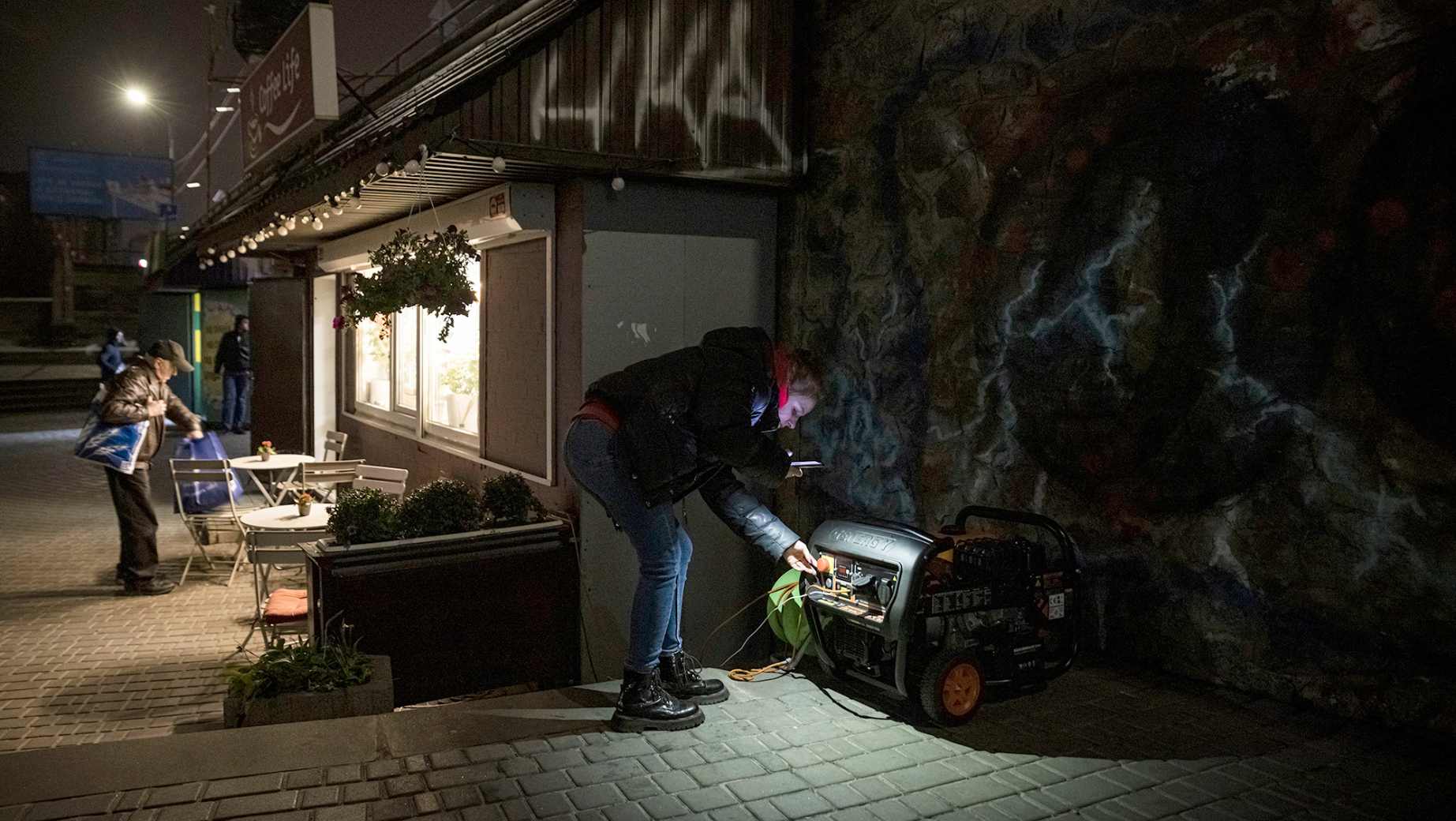
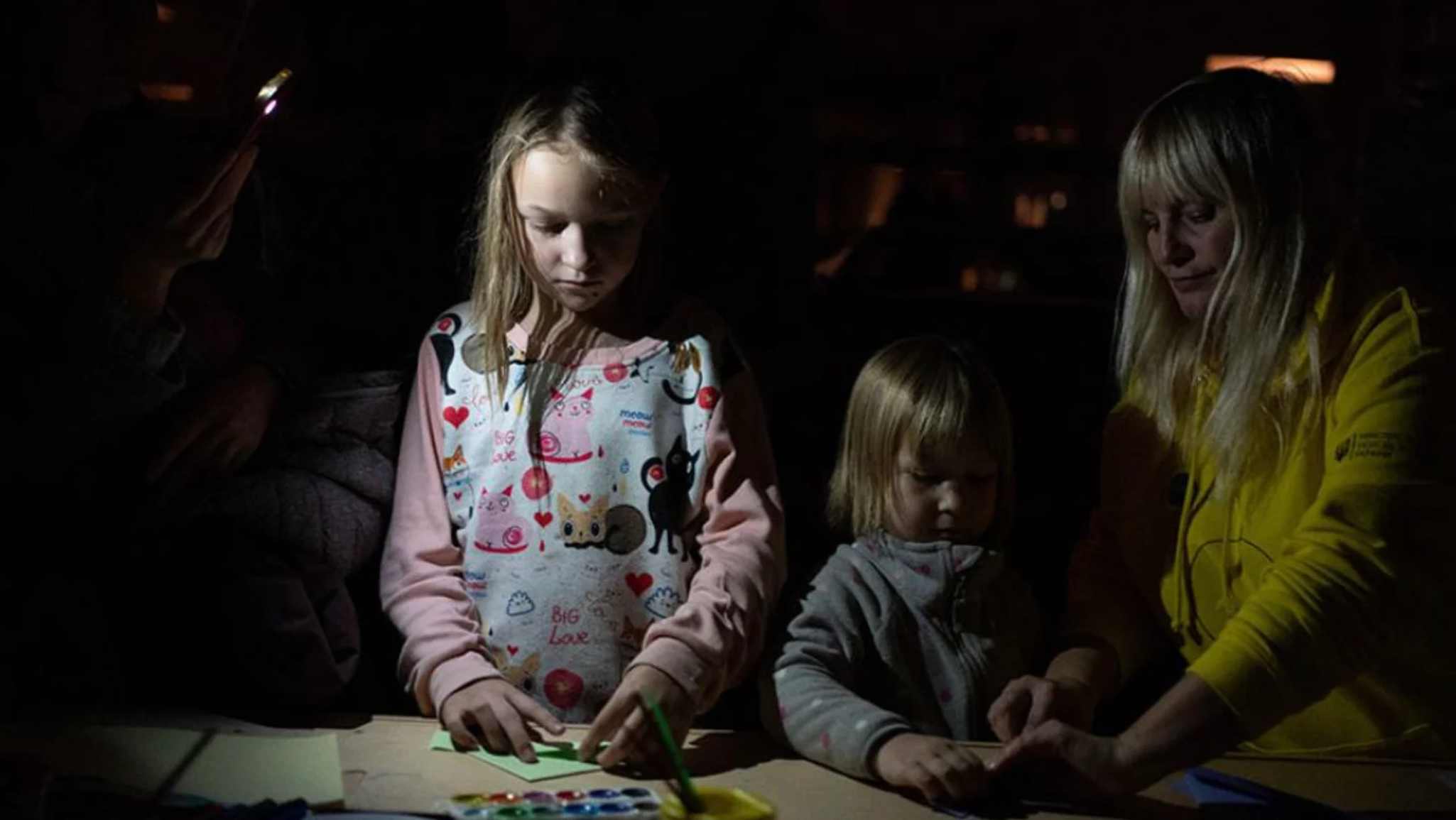
A Czech crowdfunding initiative raised over 142 Million CZK million in just five days to purchase generators, heaters, and power banks for Ukraine, organizer Martin Ondracek told Reuters. In recent months, Russia intensified its daily terror drone and missile attacks to focus specifically on Ukraine’s power grid. Amid freezing winter conditions, Russian forces continue to strike power stations, substations, and other electricity infrastructure across the country. Most oblasts of Ukraine are enduring scheduled outages, with some areas receiving only a few hours of power per day. The largest energy crisis has hit Kyiv, where electricity cuts and partial disruptions to heating and water supplies have continued for over two weeks. The Darek pro Putina (Gift for Putin) campaign has been collecting donations for Ukraine since Russia’s full-scale invasion in 2022. Between 21 January and 26 January, the initiative gathered 126 million crowns, Ondracek said. Another 15 million CZK are expected from donors. “Over the weekend, we ordered two generators—diesel units mounted on trucks—costing 8 million crowns each, which are to be delivered to two small medical facilities,” Ondracek said, according to European Pravda. The initiative works with three foundations in Ukraine to avoid lengthy logistical and customs delays, but is...
Alcohol producers in the Czech Republic are reducing the alcohol content of selected spirits, responding to higher excise taxes and a long-term decline in alcohol consumption among younger people. The latest changes follow a five-percent increase in excise duty on alcohol. While the tax rise adds less than five crowns to the price of a half-liter bottle of 40-percent rum, producers say even small increases can affect sales. Rather than raise prices, some distillers have chosen to lower alcohol strength. Several products that previously contained 40 percent alcohol were first reduced to 37 percent. New reductions are now being introduced. Plzeňský Stock has begun bottling certain spirits at 35 percent alcohol. Palírna U Zeleného stromu, based in Prostějov, has made the same adjustment for part of its range. Producers say tax policy is not the only factor behind the move. Drinking habits among younger consumers are changing, with demand shifting toward lower-alcohol beverages. The trend coincides with the growing visibility of Dry February (Suchej únor), a campaign encouraging people to abstain from alcohol for the month of February. The rules of Dry February are simple. Not a drop of alcohol all February. The campaign focuses on the benefits that just...
The Czech initiative “Gift for Putin” (Darek pro Putina) has raised about 22 milion CZK for generators for Kyiv, which is suffering from Russia’s terrorist strikes on the energy sector. “Our fundraiser has very strong momentum,” Martin Ondracek, founder and head of the initiative, told Ukrinform. According to him, the SOS KYJEV fundraising campaign was launched on January 21 at around 19:00. In the first two hours, nearly 1 million Czech crowns were transferred to the account, and within 24 hours more than 10 million Czech crowns was collected. According to the latest data, nearly 10,130 donors have contributed so far. The organizers did not set a specific fundraising target, so the campaign remains open. Ondracek explained that the activists will not purchase equipment in the Czech Republic and deliver it to Ukraine themselves. Instead, they have contacted their partners in Kyiv, the Serhiy Prytula Charitable Foundation, to which they will transfer funds daily. The main goal, he said, is to provide rapid assistance by purchasing small portable generators for residential buildings, hospitals, and schools, as well as backup batteries and light sources. At the same time, fundraising continues for drones for Ukrainian defenders. The Czech initiative “Gift for Putin”...
The Czech Republic has taken another step in its long process of cannabis policy reform. As of 1st of January 2026, the country has legalized the home growing of up to three cannabis plants for personal use. This measure reinforces its profile as one of the most open regulatory frameworks in Europe, although it is still far from a fully regulated market. The change does not imply full decriminalization, but it does redefine which practices are no longer subject to penalties and which remain under criminal control. In a continent where the debate is progressing unevenly, the Czech decision once again raises questions about the boundaries between personal use, state control, and criminalization. Home Cultivation and Possession: What’s Legal as of 2026 As of January 1, people over the age of 21 can grow up to three cannabis plants for personal use, whether indoors, in greenhouses, or outdoors, as long as there is no commercial intent. While weed possession has been decriminalized since 2010—meaning you weren’t imprisoned for carrying small amounts, although fines or other administrative consequences were still possible—there were no clearly defined thresholds in the country to prevent ambiguity in enforcement. Today, the law clearly establishes the permitted possession limits,...
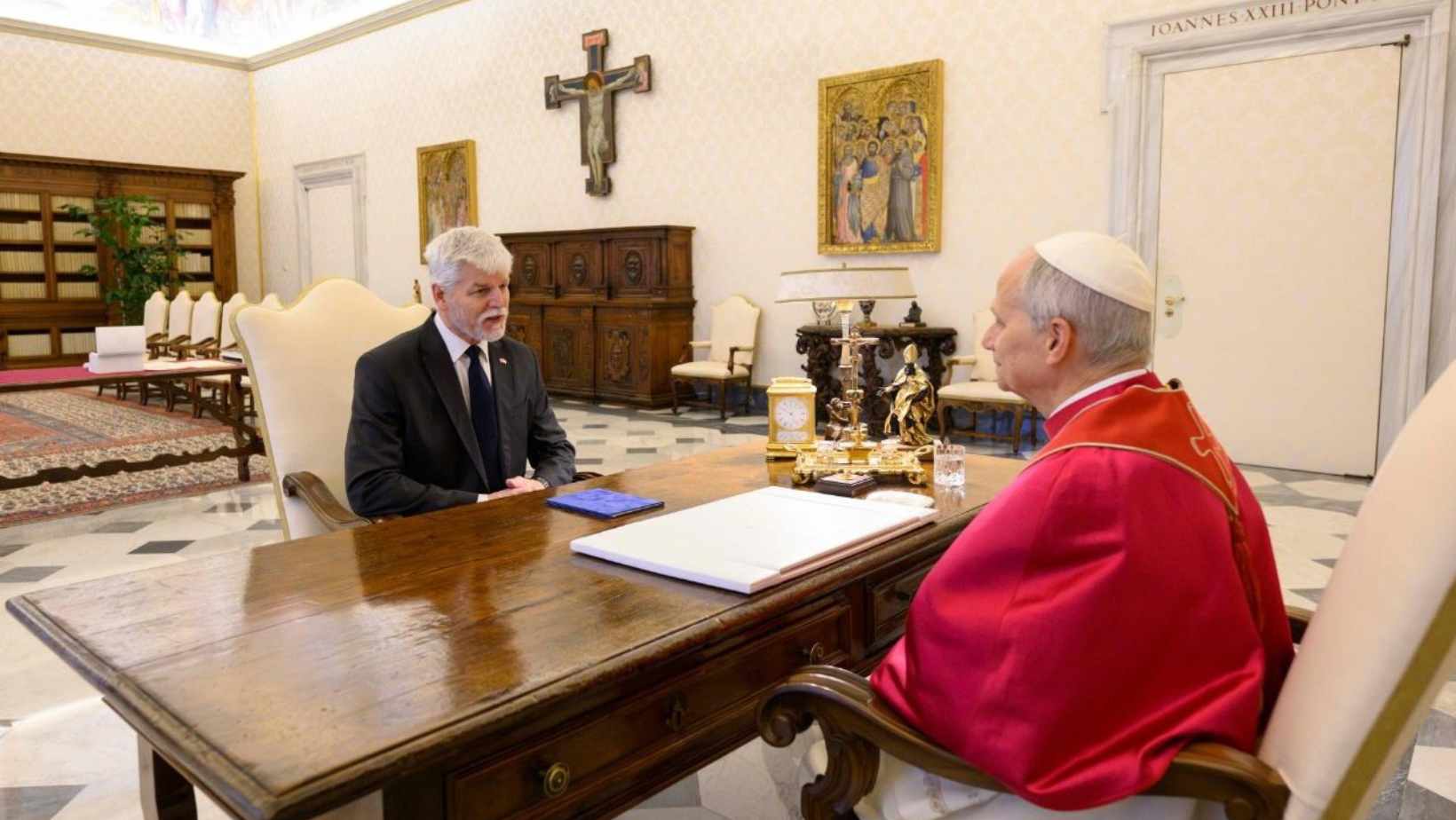
Pope Leo XIV received the President of the Czech Republic, Petr Pavel, in the Vatican on Monday morning. According to a statement released by the Holy See Press Office, the President subsequently met with Cardinal Pietro Parolin, the Holy See’s Secretary of State, accompanied by Archbishop Paul Richard Gallagher. “During the cordial discussions at the Secretariat of State,” the statement said, “appreciation for the good diplomatic relations between the Holy See and the Czech Republic was renewed, and the intention to further strengthen them was reaffirmed.” It added that the discussions focused on issues of common interest and on several socio-political matters of a regional and international nature, with particular attention to the ongoing conflicts, “underscoring the importance of an urgent commitment to peace and to the recovery of the principles and values that underpin international coexistence.” Topics included also relations between Europe and the United States, global challenges, and sexual abuse within the Catholic Church. This was President Pavel’s first visit to the papal residence since the election of the new pontiff last year. He planned to invite Pope Leo XIV to visit Czechia, a trip no pope has made since Benedict XVI in 2009. Would you like us...
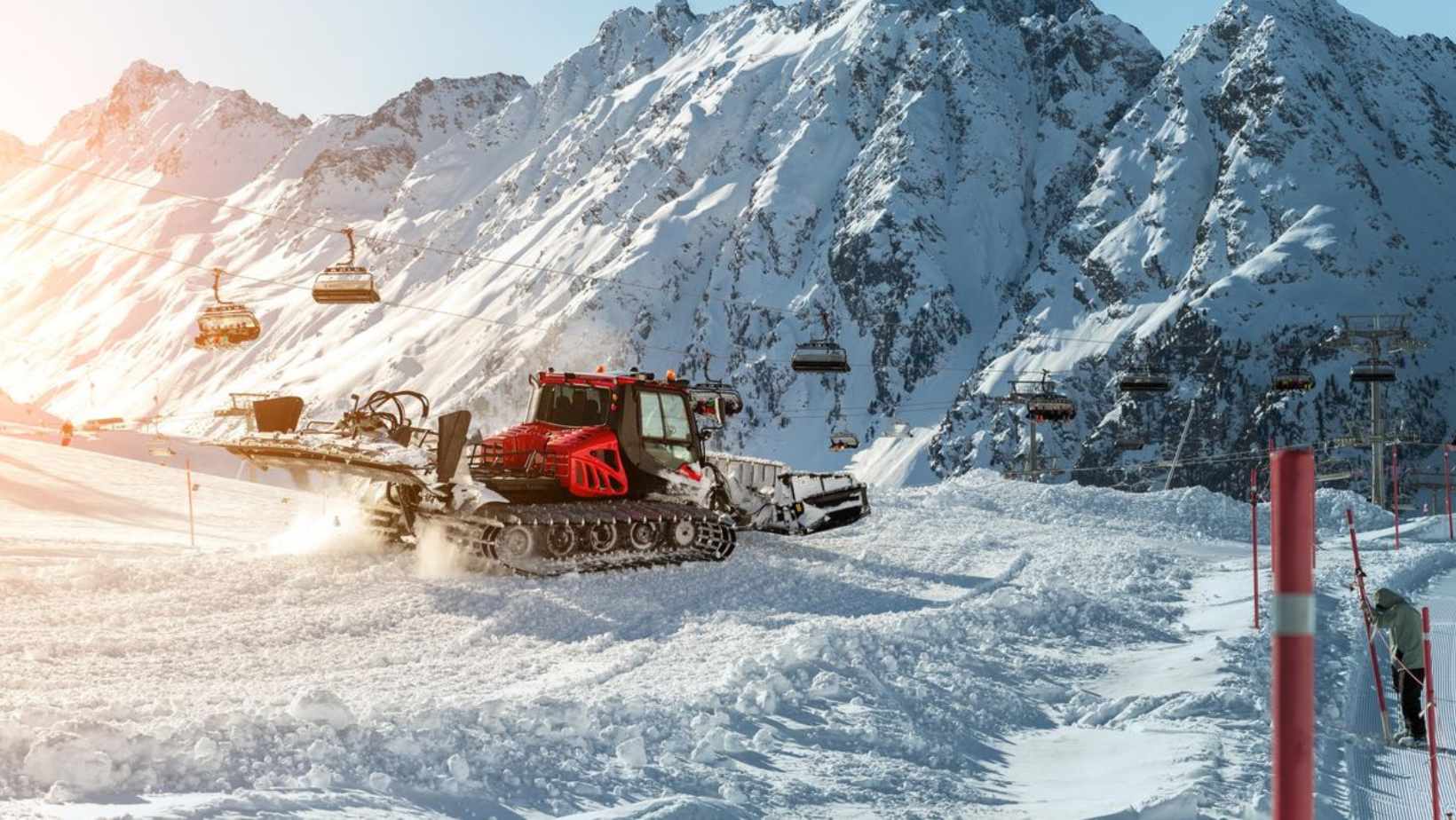
Three Czech nationals were killed on Saturday afternoon after an avalanche struck near Pusterwald in the Austrian region of Styria, police confirmed. The accident occurred shortly before 4:30 pm during a ski tour in the area. Four other members of the group were rescued and evacuated to safety by emergency services. At the time of the incident, the avalanche danger level in the Pusterwald area was rated two out of five, indicating a moderate risk. Despite the classification, mountain rescue authorities have repeatedly warned that local conditions can change rapidly, particularly at higher elevations. The Pusterwald tragedy came only days after another fatal avalanche involving a Czech teenager in Austria. Earlier in the week, a 13-year-old Czech boy was killed while skiing off-piste near the Alpine resort of Bad Gastein. The incident occurred around midday when a sudden snow slide swept the teenager away. He was skiing with another minor at the time. Rescue teams reached the boy quickly, but despite intensive efforts, they were unable to revive him, according to local mountain rescue officials. Authorities later stressed that off-piste skiing carries heightened risks, especially following recent snowfall and shifting snowpack conditions. Austrian rescue services have described the current avalanche...
Conscription Debate Returns as Army Prepares New Mobilisation Plan The possibility of introducing mandatory military service is once again being actively discussed in the Czech Republic. Chief of the General Staff Karel Řehka said the army has prepared a new mobilisation concept for the government that would allow limited conscription if voluntary reserves prove insufficient. The plan does not involve mass enlistment, as before 2004, but would focus on recruiting specific specialists. Priority would go to medical staff, IT and technical experts, communications specialists, engineers, logisticians, heavy equipment drivers, and people with rare skills such as drone pilots or previous military experience. Icy Conditions Force Closure of Prague Cemeteries All city cemeteries in Prague have been temporarily closed due to dangerous icy conditions. The only exception applies to mourners attending already scheduled funeral ceremonies at Olšany Cemetery. Former MP Dominik Feri faces further rape charge Former member of parliament Dominik Feri (TOP09) has been charged with an additional rape, prosecutors confirmed to the news site iRozhlas on Tuesday. The case involves a 17-year-old girl who said she consented to sex but alleged that Feri had removed the condom.Feri is currently serving a three-year sentence for raping two other girls, including...
New Rules for EVs and Taxis Could Reshape Transport in Prague Prague authorities have approved new measures for electric vehicles and taxis that could change how people move around the city. Owners of electric cars will be able to park in all paid zones for an annual fee of 24,000 crowns, while taxis will be required to switch to electric or hydrogen-powered vehicles. The plan still needs approval from city councilors, but that is widely expected. If confirmed, parking permits will start being issued on March 1, and the full transition of taxis to low-emission vehicles is set for 2030. Cold Snap Pushes Gas Use to Five-Year High Severe frosts have driven gas consumption in the Czech Republic to its highest level in five years. Over the past week, usage exceeded the average for the heating season by more than 60 percent. Electricity demand has also risen, though not as sharply. Dispute Over Funding for Ukraine’s Arms Initiative Prime Minister Andrej Babiš said that around 280 billion crowns passed through Czech companies as part of the arms initiative for Ukraine, with about 17 billion crowns allegedly financed directly from the Czech state budget. He accused the previous government of lacking...
Don’t have an account? Register
Already have an account? Log In
How Would You Like to Promote Your Business? PR ArticleDisplay bannersVideo productionNewsletter adsJob ListingsInfluencer Marketing
Your Email
We will come back to you within 24 hours with our proporsal