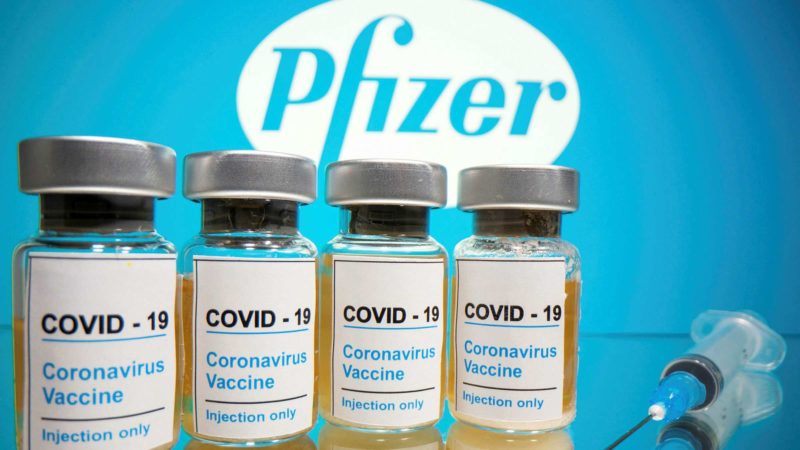
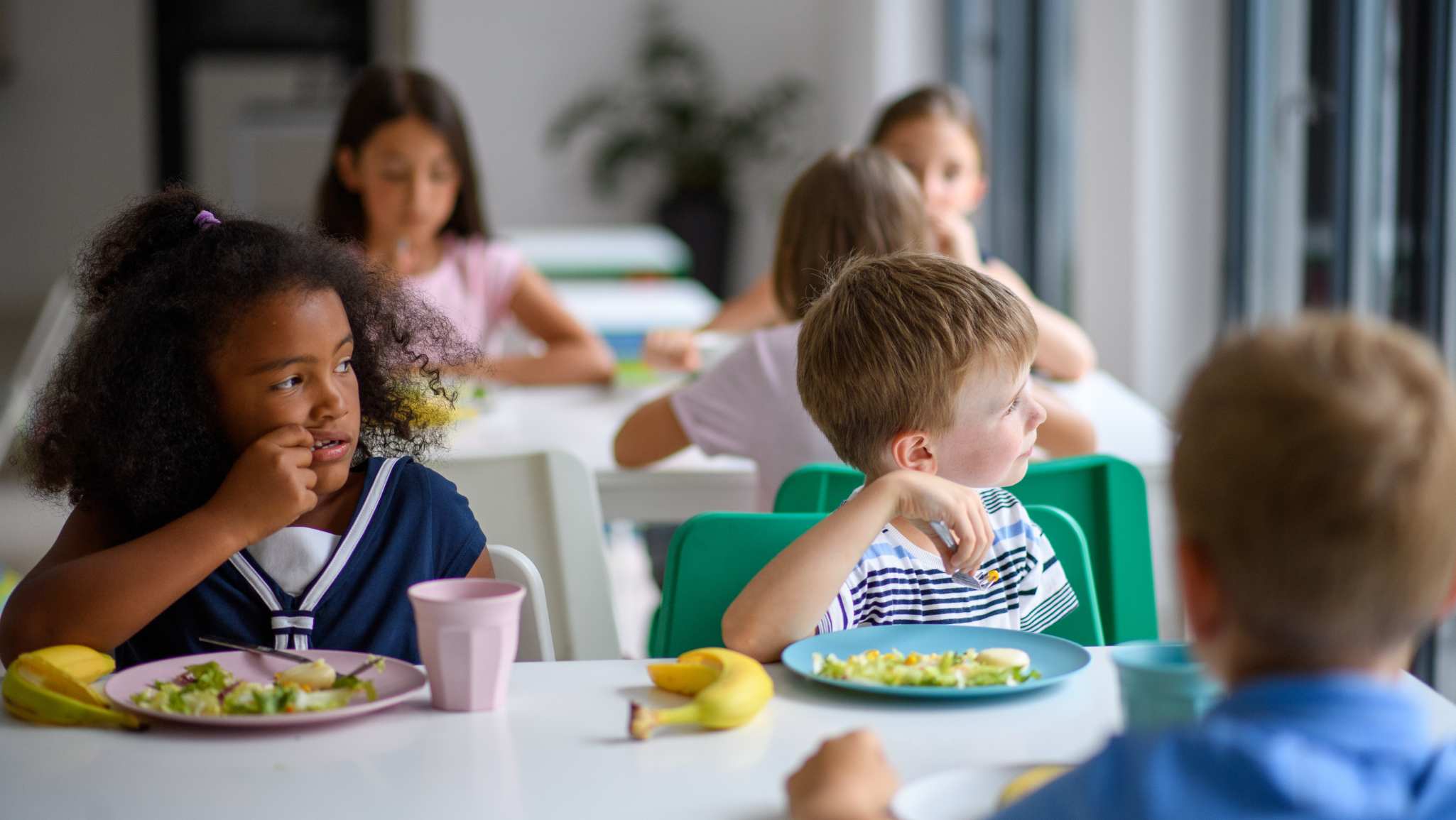
European nations launched a massive vaccination drive on Sunday, with pensioners and medics lining up to take the first shots to see off the coronavirus pandemic that has claimed more than 1.7 million lives worldwide. With surveys pointing to high levels of hesitancy about the vaccine in different countries, the Czech government launched a video promoting the vaccination. “We cried, but now we want to live, and we will live as before! Thanks to vaccination,” the video says. In the Czech Republic, the first dose of the vaccine was administered to Prime Minister Andrej Babiš, while the second dose was given to war veteran Emilia Řepíková. In the second phase, will be vaccinated government members, general practitioners, dentists, pharmacists, and state emergency services (firefighters, police, etc.). According to the forecast of the Ministry of Health, vaccination of the general public (stage three) should begin in May 2021. The Czech parliament approved a government bill allowing voluntary vaccination against Covid-19 to be covered by public health insurance, and also outlining possible compensation for any damage caused by vaccination. Vaccination will be “voluntary and free” and it is planned for over 5.5 million people, or 60-70% of the total Czech population of...
SA’s Covid-19 reproduction number fell from 1.05 to 0.94, says the Institute of Medical Information and Statistics of the Czech Republic. Consequently, the PES risk score decreased from 76 to 71 points and moved from the fifth to the fourth level. The paradox is that today the Czech Republic officially moved to the fifth level of the risk system, introducing additional quarantine restrictions. The R number is a way of rating coronavirus or any disease’s ability to spread. R is the number of people that one infected person will pass on a virus to, on average. If the number is below one, it means that the epidemic is beginning to decline. However, it is possible to speak of a controlled course of a pandemic only when this indicator is at 0.8 or below. If the score remains in the fourth level for seven days in a row, the government may consider easing restrictions. As of Sunday morning, Czechs had reported 670,599 cases in total, 93,714 of them currently active, 4,226 hospitalized with the illness, and 11,044 have died. V-Day Czech Prime Minister Andrej Babis became the first person in the country to be given a vaccine against the new coronavirus...
As of today, 27 December, the Czech Republic moves into the 5th level of the PES anti-epidemic system. The government has therefore approved the corresponding more stringent measures, to apply until 10 January 2021. As a result, the night curfew, which will now start at 9 pm, has been extended again. All shops and services, including dispensing windows, will have to close at this time, and the government has again placed significant restrictions on them; once more, only defined basic types of retail goods and services will be allowed. Religious services will be allowed for up to 10% of seat capacity. Ski lifts will close. However, the government made several exceptions for services deemed to be essential: Shops selling: Food shops, including supermarkets and grocery stores Drugstores (selling hygiene products and cosmetics) Shops selling electrical household appliances Petrol stations (and other fuels) Pharmacies and shops selling glasses and contact lenses Pet shops and stores selling animal supplies Newsagents and tobacco shops Flower shops Household items (except furniture, carpets and other floor coverings); Goods for gardening Tickets for public transport. Services: It is forbidden to work for enterprises in the service sector (hairdressing salons, massage parlors, tattoo parlors, etc.). However, the list of...
Czech Prime Minister Andrej Babis became the first person in the country to be given a vaccine against the new coronavirus on Sunday.
There are many ways to determine the most consequential and decisive events of the past year. One of them is simply to look at the most top Google searches and trending search engine terms in the Czech Republic over the past 12 months. Czechs were most looking for information about coronavirus and the two protagonists of the US presidential election, Joe Biden and Donald Trump. In the most googled search in the Trend Chart, we find “how to make a face mask” and “how to wear it”. Roman Prymula – epidemiologist and former health minister, Roman Prymula was the most googled search term in the Czech Republic in 2019. He became famous in spring as the face of the fight against the pandemic and also when he went under fire after he was photographed leaving a restaurant in Prague, which should have been closed under the COVID-19 rules. Former Health Minister and Prymula’s predecessor, Adam Vojtěch made his way on the podium to become the second-highest Google trending term in the Czech Republic in 2020 In third place, we find the parasitologist, and evolutionary biologist Jaroslav Flegr, who has become famous in recent months mainly for predicting the development of...
Britain and the European Union agreed Thursday on new Brexit trading arrangements more than four years after the U.K. voted to leave the bloc, narrowly avoiding a potentially disastrous no-deal scenario. U.K. Prime Minister Boris Johnson tweeted “the deal is done,” while EU Commission President Ursula von der Leyen praised the agreement. The negotiations lasted about eight months and until a few days ago no one could say for sure whether they would end with an agreement: the European Union had already published the measures necessary to deal with a possible no deal, i.e. the exit of the United Kingdom without an agreement, a scenario that would have caused the reintroduction of many inconveniences both to theU.K. and to the European countries. On January 1, the breakup will start feeling real. The new year will bring huge changes, even with a trade deal. No longer will goods and people be able to move freely between the U.K. and its continental neighbours without border restrictions. It was worth fighting for this deal. We now have a fair & balanced agreement with the UK. It will protect our EU interests, ensure fair competition & provide predictability for our fishing communities. Europe is now moving on....
The Czech Republic recorded 14,054 new COVID-19 cases on Wednesday, its largest daily tally since November 4 as a spike in infections approaches previous peaks, the Health Ministry reported on Thursday. Other epidemic indicators are also deteriorating. The percentage of positive tests rose from about 30 to 38 percent in 24 hours. The Czech government announced on Wednesday it would shift to the highest level of its risk index from Sunday, triggering tighter restrictions that include closing non-essential shops, ski lifts and imposing stricter curfew and gathering rules. Daily infections are again nearing peaks of above 15,000 a day seen in October and November and the seven-day test positivity rate has risen this week to almost 29%. The government is seeking to keep the strain off hospitals with the number of COVID-19 patients currently needing care at 4,836, after peaking at over 8,000 last month. Deaths related to COVID-19 have jumped amid the second wave of the pandemic, increasing more than 15-fold since the start of October to a total of 10,776 as of Wednesday. The Czech Republic is currently at the fifth, most serious level in all regions except Prague. The worst situation is actually recorded in the Hradec...
The Czech government will close non-essential shops, services and ski lifts and enforce a stricter curfew from Sunday as it seeks to curb another rise in COVID-19 infections and hospitalisations, Health Minister Jan Blatny said on Wednesday. The measures will be in effect until January 10, when they will be reviewed by the government. COVID-19 infections have risen throughout December, coming after the government only just loosened restrictions at the beginning of the month after curbing one of Europe’s biggest spikes in infections in October and November. The country has already re-closed bars and restaurants, so the new restrictions will hit retail outlets and services like hairdressers. Shops selling essential goods will stay open, although supermarkets will be only be allowed to sell essentials. Other items can be ordered online. A nighttime curfew will shift its start to 9 p.m, from 11 p.m., and public gatherings will be limited to two people outside families. Religious services will be allowed for up to 10% of seat capacity. Ski lifts will close. Schools, which were due to reopen on January 4, will go back to distance learning, with the exception of 1st and 2nd graders. The latest numbers The Czech Republic reported...
The lower house of the Czech Parliament has extended the state of emergency until January 22. Health Minister Jan Blatný urged deputies to extend the state of emergency so as to prevent a new upsurge of coronavirus infections. Tomorrow, the government will take a final decision on the transition to the fifth level within the anti-epidemic PES system. “If the numbers will grow, the Czech Republic will enter the 5th level of the PES anti-epidemic system on December 25th,” said the Minister of Health Jan Blatný (ANO). There would be no exceptions: all shops and services will close except those that sell basic goods. The fifth level introduces a stricter night curfew, which should apply from 9 pm. The Czech Republic reported 7,860 new cases of COVID-19 on Monday as daily infections continue to trend higher. In total, 635,414 cases have been detected since the pandemic started. There are 83,840 active cases currently, the highest since mid-November. The number of hospitalized patients is at 4,728 while the number of deaths have climbed to 10,562. General information The state of emergency is declared under Constitutional Act No. 110/1998 Coll., on the Security of the Czech Republic. The Government of the Czech...
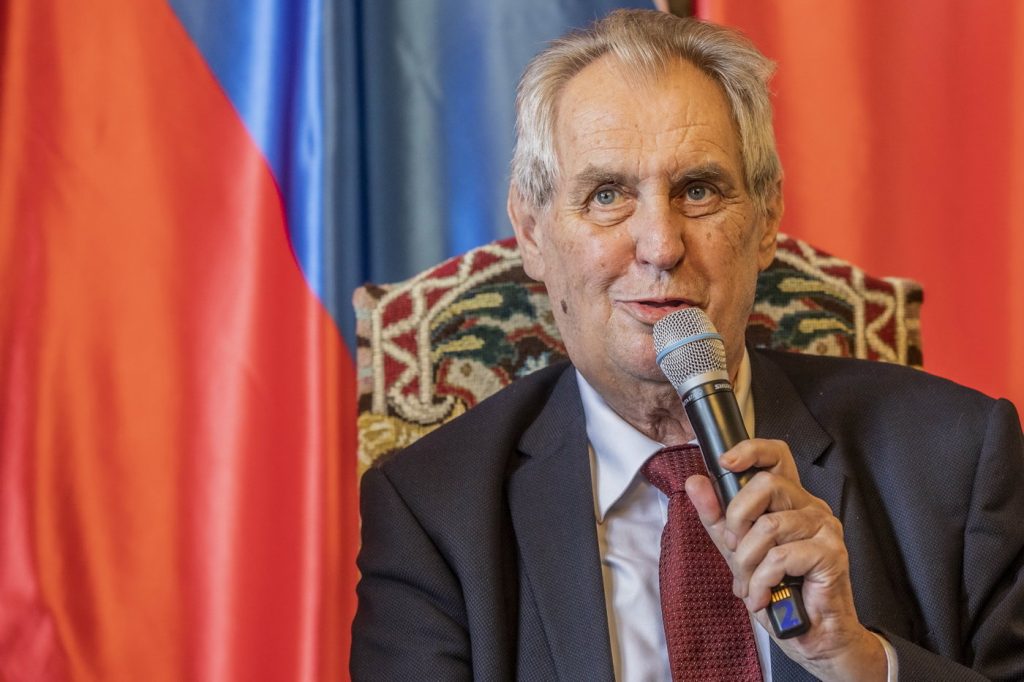
Zeman will be vaccinated as he considers the vaccine to be a way out of the crisis. According to Zeman, the vaccine is probably the only way out of the coronavirus crisis. He intends to get vaccinated, although not in front of television cameras. He thanked the government for its progress in the fight against the disease, although, he had dozens of reservations about the confusion caused by the representatives. “The vaccine is most likely the light at the end of the tunnel. And if the vaccine starts working over next year, we will be out of the worst,” the president said. During his vaccination, he will not do “any clown show with TV cameras”. “When people find out that the president has been vaccinated, this information is important,” Zeman said. In addition, Zeman called for a sensible marketing campaign to promote vaccination. He believes that the main reason for the Czech Republic’s delay in preparing for the vaccination of people is the frequent replacement of health ministers, when Adam Vojtěch, Roman Prymula, and Jan Blatný took turns in this position in a short time. “The slip can be caught up. There is no problem with the vaccine, the problem...
The European Union’s drug regulator on Monday authorized the use of the continent’s first coronavirus vaccine, enabling countries to begin inoculations next week in an urgent but complicated fight to ease the pandemic. “It is a significant step forward in our fight against the pandemic,” said Emer Cooke, the executive director of the European Medicines Agency, “not just for Europe but all over the world.” The Czech Republic, Germany, Austria, and Italy have said they plan to start vaccinations from December 27 as Europe tries to catch up with the United States and Britain where the roll-out began earlier this month. European Commission President Ursula von der Leyen expressed hope that countries would start the vaccination in unison in the days after Christmas. Adding the populations of the U.S., U.K., and Canada, the new approval means that the vaccine will become available to a total population exceeding 850 million, with over 600 million of those in the approved group above 18 years of age. Student medics, retired doctors, pharmacists and soldiers are being drafted into a European vaccination campaign of unprecedented scale. “We are not yet at a turning point,” Emer Cooke, executive director of the European Medicines Agency, said...
The government will take a final decision on the transition to the fifth level within the anti-epidemic PES system on Wednesday. “If the numbers will grow, the Czech Republic will enter the 5th level of the PES anti-epidemic system on December 25th,” said the Minister of Health Jan Blatný (ANO) after Monday’s government meeting. According to Novinky.cz, there would be no exceptions: all shops and services will close except those that sell basic goods. The fifth level introduces a stricter night curfew, which should apply from 9 pm. In the last few days, the situation in the Czech Republic has been deteriorating. “The growth of newly infected people continues. It is also due to the number of tests, but we cannot underestimate it,” the minister explained. The index remains at 76 points out of 100, the lower limit of the fifth level. The situation in hospitals is still stable so far, the facilities in the Moravian-Silesian region are the most burdened. Level 4 On December 18, the Czech Republic switched back to level four of the anti-epidemic PES system. Restaurants, hotels, and gyms are closed. Shops, services, and ski resorts are open. It is not permitted to consume alcohol in public, and...
Don’t have an account? Register
Already have an account? Log In
How Would You Like to Promote Your Business? PR ArticleDisplay bannersVideo productionNewsletter adsJob ListingsInfluencer Marketing
Your Email
We will come back to you within 24 hours with our proporsal