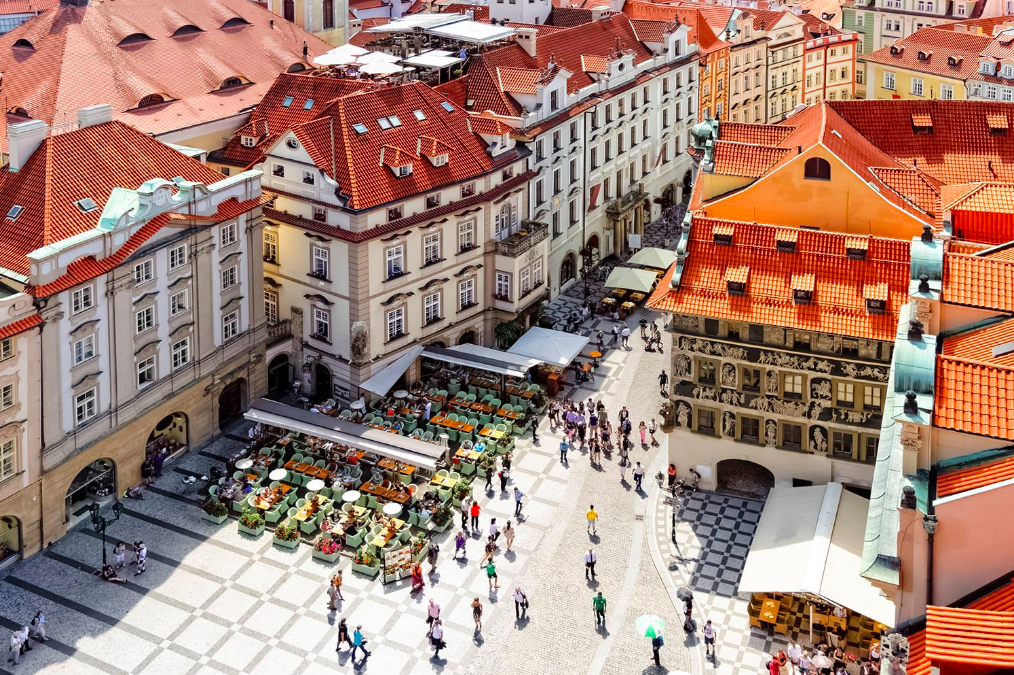
About 200,000 workers in the Czech Republic can lose their jobs due to the coronavirus pandemic, the director of CzechTourism, Jan Herget has warned. According to Herget, the crisis in tourism has affected practically everyone. “Revenues this year will drop by 53 percent to 139 billion CZK, putting 200,000 jobs at risk, not just in the tourist industry itself, but in related professions such as bakeries or cleaners.” “Last year, tourism revenues amounted to 300 billion CZK, almost 3 percent of the GDP. This year, we estimate that our revenues will drop to 139 billion CZK,” Herget added. According to the head of CzechTourism, the declines in income from foreign tourists can not be compensated by domestic tourists. “The effects are very different. Jeseníky Mountains and the Vysočina region have record numbers, thanks to domestic tourists. And then there are those regions that are dependent on foreign tourists. Prague revenues are down by 80 percent. Foreign visitors from Russia, America, China spend many times more than Czech visitors,” Herget explained. CzechTourism is ready to launch a campaign in support of the Czech Republic as soon as the situation eases. In the first phase will target tourists within driving distance (Germany,...
Lawmakers in Scotland have decided women in need should no longer have to pay for period products. Tuesday, lawmakers passed a bill that makes the nation the first in the world to do so. “Scotland will not be the last country to consign period poverty to history, but we have the chance to be the first,” lawmaker Monica Lennon said on Tuesday. Lennon had introduced the bill, which passed 121-0. Period poverty is when those on low incomes can’t afford, or access, suitable period products. “Periods don’t stop for pandemics and the work to improve access to essential tampons, pads and reusables has never been more important,” she added. PM Andrej Babiš wants the Czech Republic to follow this lead. “Scotland will be the first country in the world to allow free and universal access to menstrual products, including tampons and pads. They want to break down this stigma and fight poverty. Journalists ask me if such a thing would be possible in our country as well. I asked the Minister of Finance Alena Schillerová to find a solution,” Babiš wrote on Twitter on Wednesday. The bill also makes it law that schools, colleges, and universities in Scotland are required to provide...
The Czech Republic should begin offering free antigen tests for COVID-19 for all who want them from December 18.
The measures against COVID-19 have heavily affected restaurants. Their biggest help is the in-person collection. Milan Borovič opened his restaurant Jezerka in Nusle three years ago and his business was running smoothly. However, due to this year’s precautionary measures made by the government, he has had to close down and his only means of sales is a walk-up window. Lunchtime periods are starting, yet there aren’t many customers. “We sell on average 25 meals a day,” he says. The state’s contribution helped him with paying his rent amidst these difficult times. According to Václav Stárek, the president of the Czech Hotels and Restaurants Association, the majority of gastronomes find the current aid intensity insufficient. We’ll make do until the end of the year. Hard to say what’s to come after, we’ll definitely do our best,” Borovič says. “I hope that my personnel will wait out the wintertime and plans on opening the garden and grill in March and get people back to the restaurant.” They don’t know if they will survive winter The owner of the Le Camille bistro in Anděl, Kamil Grůževský, suffered the same fate. He had to let go of a fraction of his employees, his...
After more than a month, shops, and restaurants will most likely open on Monday, November 30.
Czech police are seeking help in an unusual case in Horní Planá, near Cesky Krumlov after a deer turned the tables on hunters and snagged a pursuer’s rifle on his antlers before running away. The deer, frightened by a dog, ran toward one of the hunting party, tore his sleeve, and caught a strap of a 0.22 Hornet rifle on his antlers, police said on Tuesday. “The rifle, which the hunter had slung over his left arm – fortunately without ammo – slipped on the deer’s antlers and disappeared with him,” the police said. Police said another hunter later spotted the deer about a kilometer away, still carrying the gun. “The hunters searched the forest but did not find the gun. He had no other choice than to report the incident to the police,” the police said, adding anyone who finds the weapon should contact authorities.
The Czech Republic could soon begin a free and voluntary mass testing of citizens for the coronavirus, PM Babis announced on Tuesday. “I would be very happy to allow all citizens to have voluntary and free antigen tests at least a week or ten days before Christmas,” Babiš said to Novinky.cz Everyone over the age of 10 years can take an antigen test. After being tested, people must wait in a separate disinfected room and, around 10 minutes later, will be given their results. However, its accuracy is lower than laboratory PCR (polymerase chain reaction) tests. The PCR test is regarded as the “gold standard” by epidemiologists, but may take up to a day or longer to produce a result as the sample is sent off to a laboratory. It is, however, the one used most around the world. In Slovakia, the government started using rapid COVID-19 tests on a massive scale on October 31 and November 1, testing two-thirds of its population, with a mandatory quarantine for anyone who was infected. (Anyone who chose not to be tested was required to stay at home, with certificates given to those who took the tests.) Slovakia’s health minister wrote a Facebook...
The International Academy of Television Arts & Sciences today unveiled the winners of the International Emmy Awards 2020. The series was directed by Pavel Soukup, written by screenwriters Jaroslav T. Miška and Jan Stehlík and produced Vratislav Šlajer, Jakub Košťál and Milan Kuchynka. The protagonist Marty was played by Jakub Nemčok. The eight-part online series, available on Mall.tv was inspired by real cases of cyberbullying and created in collaboration with the Safely on the Net project. The sequel, called #annaismissing, will be available on Mall.TV from May 2021. #annaismissing will revolve around the investigation into the kidnapping of a child, 14-year-old Anna, for black-market videos. The project is currently in development, and the producers are working closely with the police and experts in internet safety, to not only create a suspenseful format, but also to illustrate the carefully planned system of social engineering and the vulnerability of the victims of online predators. “We didn’t expect anything, our chance was 25 percent in the final competition,” says Šlajer. “After all, the nomination itself in this worldwide gathering of thousands of series has been a huge success for us, especially in the competition of global players such as Netflix and HBO.” The List of International...
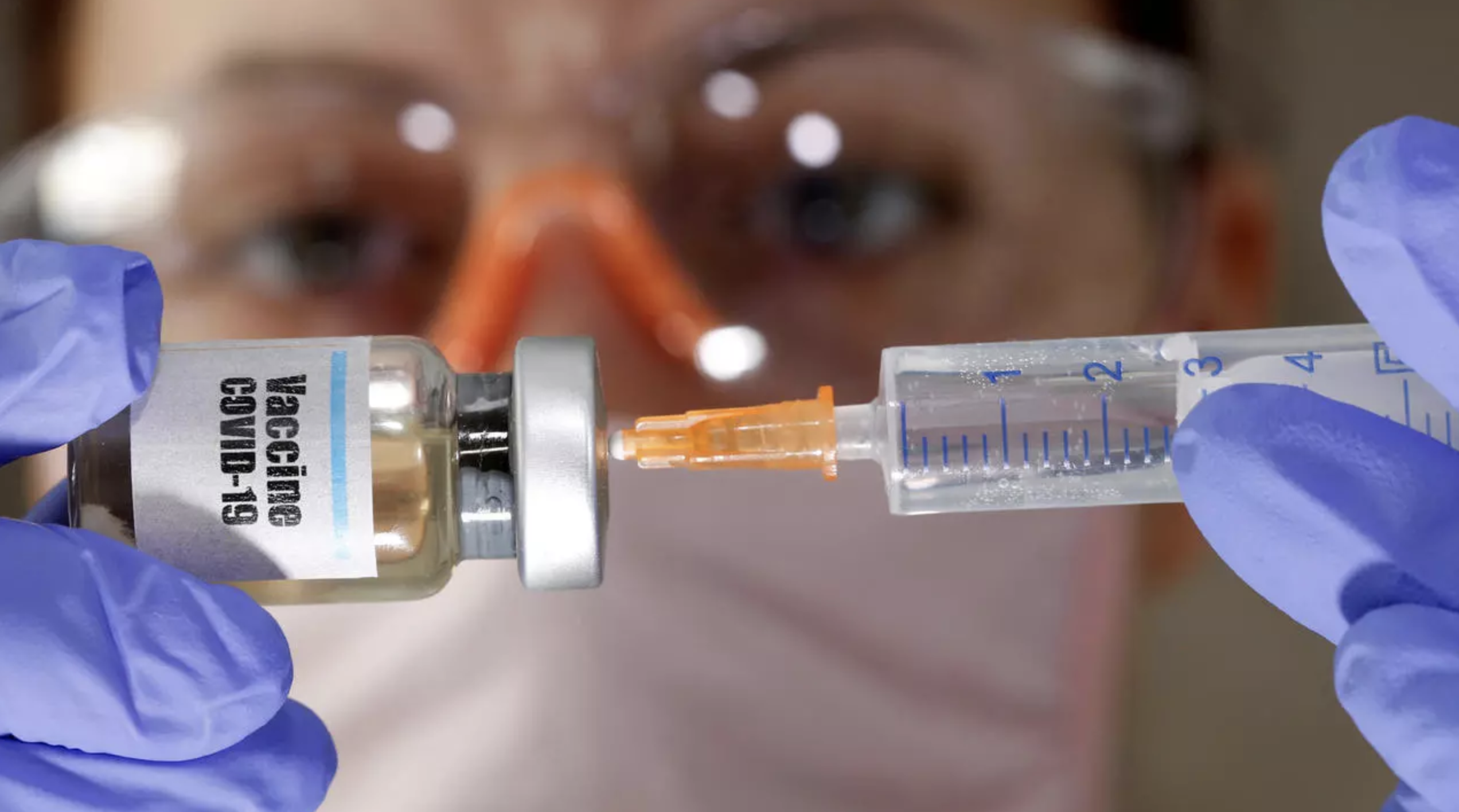
The Czech Republic has purchased vaccines for 5.5 million people to be used next year, at a cost of CZK 1.8 billion, and has further doses on reserve for 10.6 million people, at a cost of CZK 4.6 billion. The vaccines will be covered by public health insurance, without additional payments, Health Minister said. According to Novinky.cz, the Czech Republic has ordered the vaccine via the EU. “As soon as the vaccine is available in the EU, the Czech Republic along with other countries will receive an aliquot part in the way agreed within the distribution mechanism,” Jan Blatný said. “If we use all our resources, we will have doses for 16 million people, which is more than the number of citizens in the Czech Republic,” Blatný added. Three million doses to cover 1.5 million people were ordered from Astra Zeneca. Two doses to induce immunity will also be needed for the vaccine from BioNTech and Pfizer. A vaccine has been ordered from Johnson & Johnson for two million citizens. According to Blatný, if one of the vaccines is approved by the end of 2020, there will be enough doses to cover 400,000 people by the end of the year,...
Minister of Health Jan Blatný (ANO) announced on Sunday during an interview with CNN Prima News that during Christmas time the Czech government could apply the PES (Protiepidemický Systém) level 3. PES assesses the epidemiological risk, taking into account the number of tests carried in relation to the number of positive tests returned, the R0 number, the number of infected per 100,000 people over the last 14 days, and the number of the elderly infected over the last 14 days. The level of measures corresponds to the risk score, which has now dropped from 70 points to 62. At level number three, the restaurants will have to be closed from 22:00 to 06:00 and a maximum of four guests will be allowed to sit at one table. The night curfew will end, while in shops there will be a limit of 1 person per 15 m2 However, some restrictions will continue to apply. For example on Sundays and holidays, restaurants should be open only until 10 pm. Besides that, the two-meter spacing between customers should be maintained in shopping centres, while dining and children’s corners will continue to be closed. “We should reach the level 3 at the turn of...
The epidemiological situation in the Czech Republic is improving. All shops and service establishments, including pubs, restaurants, and hotels, could reopen on November 30.
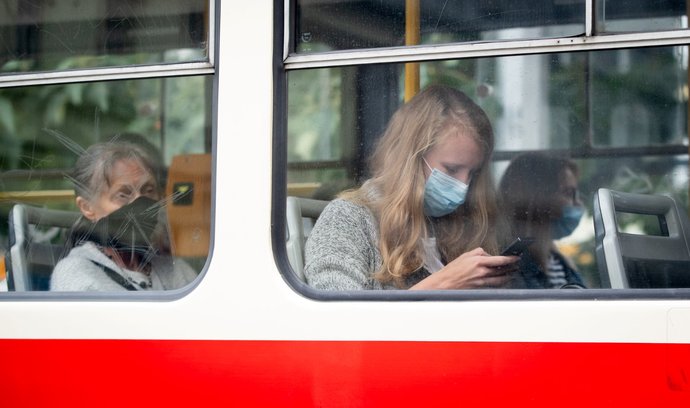
The Czech parliament has extended the state of emergency until December 12. The state of emergency provides a legal basis for tighter government measures aimed at curbing the spread of Covid-19, including temporary business closures and restrictions on the freedom of assembly. The government had earlier asked parliamentarians to approve a 30-day extension, to run until December 20. Prime Minister Andrej Babis said the extension was needed to deal a “decisive blow” to the infection. The opposition meanwhile criticized the government over shutting down smaller businesses at a time when larger retail networks were allowed to stay open. Read: “The Goal is to Vaccinate 70% of Czechs”, Says Health Minister Under Czech law, the government is able to declare a state of emergency for 30 days but must secure the approval of the Chamber of Deputies in advance. The government already introduced a number of drastic measures, in late October, in an attempt to stem the spread of the disease, including a night-time curfew between 9 pm and 5 am. Health Minister Jan Blatny warned against lifting the state of emergency too early, arguing that it could lead to an uncontrollable spread of the virus. However, he also said that the restrictions...
Don’t have an account? Register
Already have an account? Log In
How Would You Like to Promote Your Business? PR ArticleDisplay bannersVideo productionNewsletter adsJob ListingsInfluencer Marketing
Your Email
We will come back to you within 24 hours with our proporsal