The Czech Republic has spent roughly CZK 19 billion on COVID-19 vaccines since 2020, but fewer than half of the 41 million doses supplied under its pandemic-era procurement agreement were ultimately used in the country. More than 18 million doses expired and had to be destroyed, representing a value of about CZK 8 billion. A further four million doses were donated to other countries, according to information provided by the Czech Ministry of Health in response to a request from the Czech Technical Committee. For the 2026-27 vaccination season, around 900,000 doses will be available in the country. By comparison, fewer than one-third of that number was administered during the previous season. The vaccination season runs from September through the end of August the following year. Demand for COVID-19 vaccination has fallen sharply since the initial rollout. More than 15 million doses were administered during the first year vaccines were widely available. A year later, demand had fallen to roughly one-fifth of that level. Between 2022 and 2023, interest dropped by more than 80 percent, followed by further declines of about one-third in subsequent years. Only about 1,500 doses had been administered by July 26 this year. Most vaccinations, however,...
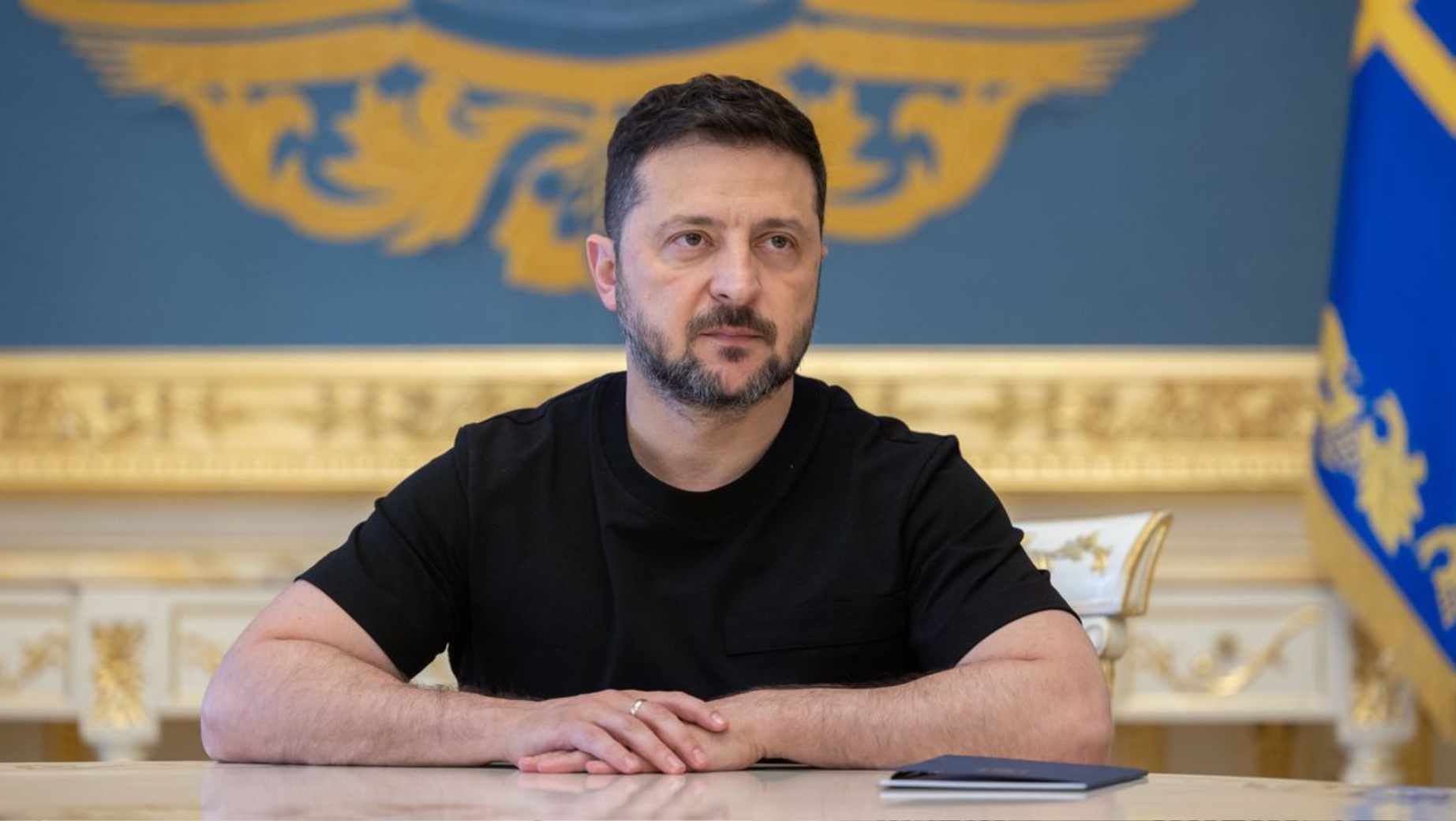
New rules affecting Ukrainian men seeking temporary protection in the Czech Republic will take effect on August 5, 2026. Under the changes, men aged 23 to 60 applying for temporary protection will have to demonstrate that they are exempt from military service in Ukraine. The requirement will apply to new applications and certain other applications for protection, but not to people who already hold valid temporary protection. The Czech Interior Ministry says the new rules follow an EU Council decision published in the Official Journal of the European Union on August 4. The decision also extends temporary protection for people fleeing Russia’s war in Ukraine until March 31, 2028. For applicants aged 23 to 60, military registration documents will be checked as part of the application process. Applicants will use Ukraine’s Reserv+ system to demonstrate their military status, with the electronic military registration document showing whether they are exempt from military service. The rules are different for younger applicants. People aged 18 to 22 will only need to demonstrate that they are registered in the Reserv+ system. The new requirement concerns people applying for temporary protection for the first time, as well as repeat applications and applications connected with family...
A large number of Czech households may be paying more for electricity than necessary because they are using a distribution tariff that does not match their actual consumption. A new analysis estimates that switching to a more suitable tariff could save households more than CZK 1.3 billion a year in total. The analysis was conducted by energy company bezDodavatele. The company examined electricity consumption at 1,132 household consumption points using the two most common household distribution tariffs, D01d and D02d. According to data from the Energy Regulatory Office (ERÚ), D01d and D02d are used by around 65 percent of the approximately 6.5 million household consumption points in the Czech Republic. The analysis found that changing the distribution tariff could reduce electricity costs for more than half of the households examined. Many households never reconsider their tariff One reason is that households often keep the same tariff for years without checking whether it still suits their electricity consumption. A tariff that made sense when a household first connected to the electricity grid may no longer be the cheapest option after its consumption patterns have changed. Many consumers, however, do not regularly review the distribution tariff listed on their electricity bill. According...
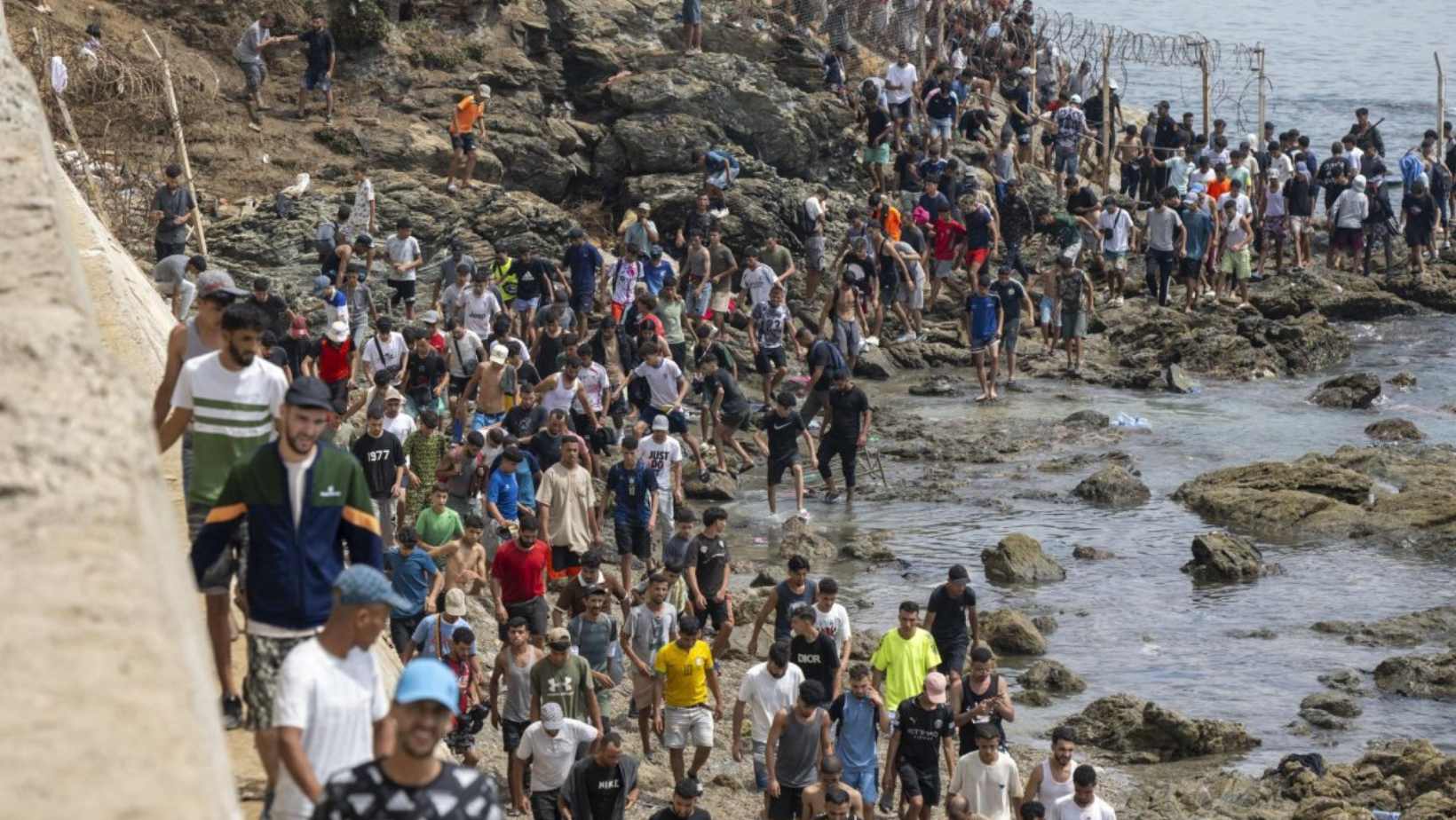
Czech Prime Minister Andrej Babiš called for temporarily excluding Spain from Schengen due to the migration crisis in Ceuta, where about 49,000 migrants entered uncontrollably from Morocco. Italy has already suspended Schengen rules in connection with Spain. Czech Prime Minister Andrej Babiš called for closing the Schengen zone to Spain after a sharp escalation of the migration crisis in the Spanish enclave of Ceuta. According to Babiš, the situation in Ceuta is “absolutely scandalous,” and the cause of the crisis was the overly lenient migration policy of the Spanish authorities. According to the publication, since Thursday, about 49,000 migrants have entered Ceuta uncontrollably from the territory of Morocco. At least 19 people have died trying to cross the maritime border. Foreign Minister Petr Macinka (Motorists) described the situation as a serious challenge for the entire Schengen Area but stopped short of calling for Spain’s exclusion, saying he wanted to hear Madrid’s position before drawing conclusions. What is the Schengen Agreement? The Schengen Area allows people to travel between 29 European countries without routine passport checks at internal borders. While border controls are normally abolished, member states can temporarily reinstate them if they believe there is a serious threat to public...
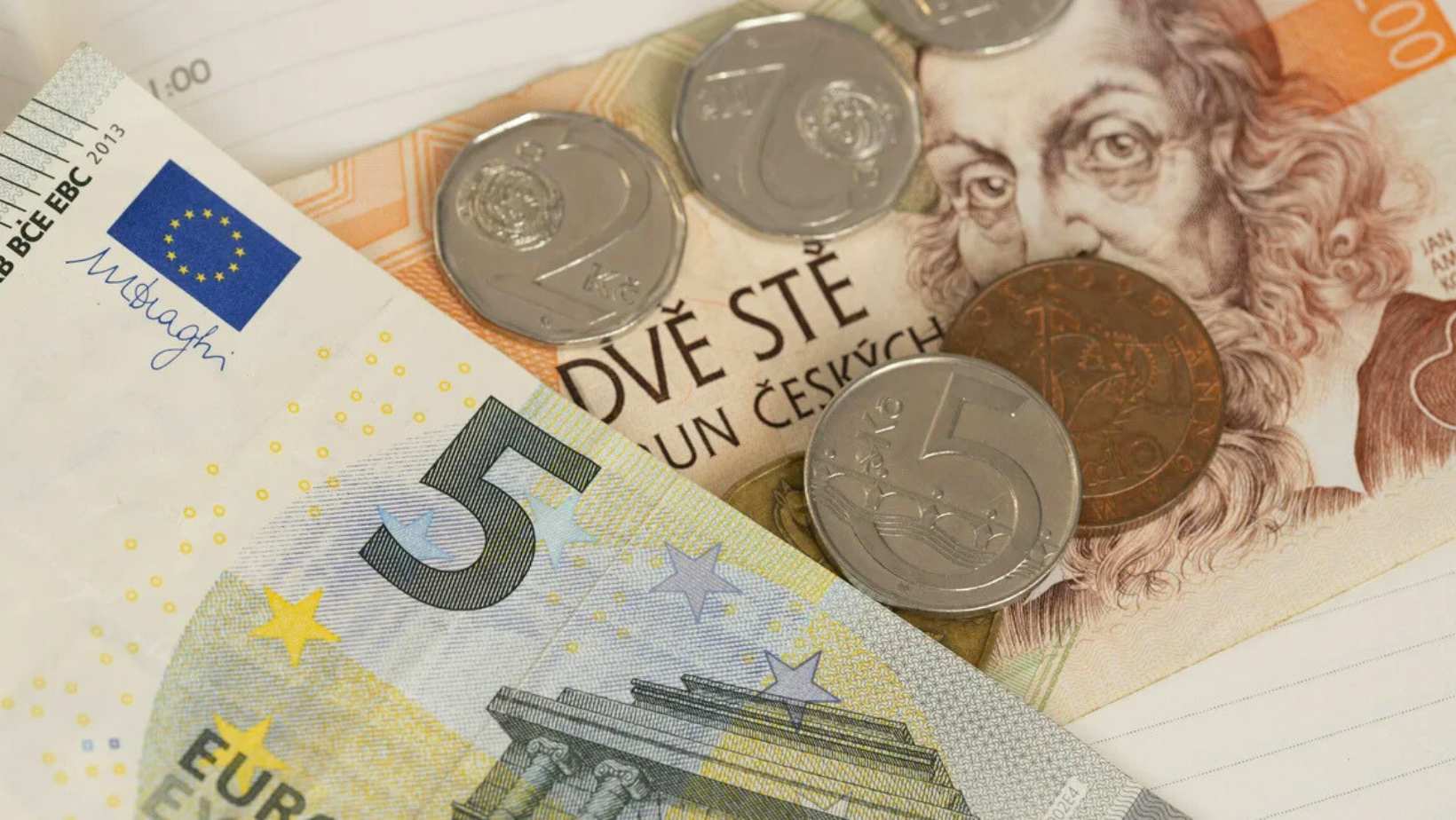
The Czech prime minister also said Brussels is likely to permit a larger budget deficit as Prague seeks funding for hospitals, highways, and other domestic investment. Czech Prime Minister Andrej Babiš has expressed alarm over the country’s rapidly increasing payments to the European Union, warning that the Czech Republic could become a net contributor to the bloc as early as 2029. Following talks with Finance Minister Alena Schillerová, Babiš said Czech payments into the EU budget had risen by 22 billion crowns (€911 million) this year alone. “I was shocked by how much we are paying into the European Union,” he said, as cited by Echo24. “If in one year we are told that we will pay 22 billion more, that is a lot.” Officials currently expect the Czech Republic to become a net contributor to the EU budget for the first time in its history in either 2029 or 2030. Babiš was also asked about next year’s state budget deficit. When asked whether it would exceed this year’s planned shortfall of 310 billion crowns (€12.8 billion), he replied, “Don’t test me. I don’t know what the deficit will be.” Schillerová said a reliable estimate would only be possible after...
A Czech company has entered the Fortune Global 500 ranking for the first time in history. Energy and industrial group EP Group (EPG), controlled by Czech businessman Daniel Křetínský, placed 179th in the latest edition of the prestigious list of the world’s largest companies by revenue. The ranking, published annually by the U.S. business magazine Fortune, evaluates companies based on their total sales. EP Group reported revenues of $75.387 billion, equivalent to around CZK 1.6 trillion. To put the figure into perspective, the Czech state budget expects total revenues of CZK 2.118 trillion this year. EP Group’s portfolio includes stakes in major companies across Europe, including British postal operator Royal Mail, Slovak energy producer Slovenské elektrárne, German retail chain Metro and French energy giant TotalEnergies. With its debut in the ranking, EP Group has also placed Prague among the headquarters of the world’s largest corporations. The Czech capital is now one of 242 cities worldwide where at least one Fortune Global 500 company is based. Only 14 other countries in the Fortune Global 500 ranking have a single representative, including Saudi Arabia, Qatar, Poland, Austria and Thailand. EP Group is also among a very small number of newcomers. Only 13...
Czech women earn significantly less than men on average, with the annual difference estimated at CZK 109,000. New figures based on Eurostat data show the country’s gender pay gap remains above the EU average. Across the EU, employed women earn an estimated CZK 93,800 less annually than men on average. The European Trade Union Confederation (ETUC), which converted the hourly wage gap into annual earnings, estimates that the combined difference across the bloc amounts to more than CZK 8.65 trillion every year. Czech Republic exceeds the EU average According to Eurostat, women across the European Union earned 11.1% less per hour than men in 2024. In practical terms, women received CZK 88.90 for every CZK 100 earned by men. The figures cover companies with at least ten employees. Applying that methodology, the ETUC estimates that women in the Czech Republic earn roughly CZK 108,700 less per year than men, placing the country above the EU average. Only a handful of member states recorded larger estimated annual gaps. Finland ranked highest at around CZK 183,500, followed by Austria (CZK 165,600), Germany (CZK 146,200) and Sweden (CZK 123,600). At the opposite end of the scale, Luxembourg was the only EU country where...
France is moving toward stricter rules on children’s use of social networks, while a similar debate is gaining attention in the Czech Republic. Lawmakers, educators and experts are increasingly discussing whether children should face age restrictions on social media and tighter limits on smartphone use in schools. The issue has grown across Europe amid concerns about excessive screen time, cyberbullying, online safety and children’s exposure to unsuitable content. France has become one of the first European countries to push forward with legislation that would prevent children under the age of 15 from creating accounts on social media platforms. The French Senate has approved the proposal, which still requires approval from the lower house of parliament before it can become law. If adopted, the measure would take effect on September 1 and require online platforms to introduce age verification systems. Companies would also have to remove accounts belonging to underage users within four months. The French proposal also includes restrictions on mobile phone use in secondary schools, reflecting a wider European discussion about the role of smartphones in children’s lives. Czech Republic considers stricter rules for smartphones in schools The Czech Republic has so far focused mainly on regulating mobile phone...
The Czech Chamber of Deputies has approved the return of electronic sales records (EET), a system that will once again require businesses to register certain payments. However, the new version will differ from the original system introduced in 2016. One of the main changes is that businesses will no longer be required to automatically print receipts for customers. Smaller self-employed entrepreneurs will also be able to use a free state-provided application to record sales through a smartphone. Finance Minister Alena Schillerová said the restored system could bring additional revenue of at least CZK 14.4 billion per year. The government argues that EET will create equal conditions for businesses and prevent companies that follow the rules from being disadvantaged. Unlike the previous version, the renewed EET system will focus only on certain types of payments. It will apply to direct transactions such as cash payments, card payments made at a physical location, and QR code payments. Online payments made through e-shops will not be included in the system. Smaller businesses will have exemptions The legislation also introduces several exemptions from mandatory sales registration. Among those excluded will be self-employed people with annual turnover of up to CZK 1 million who use...
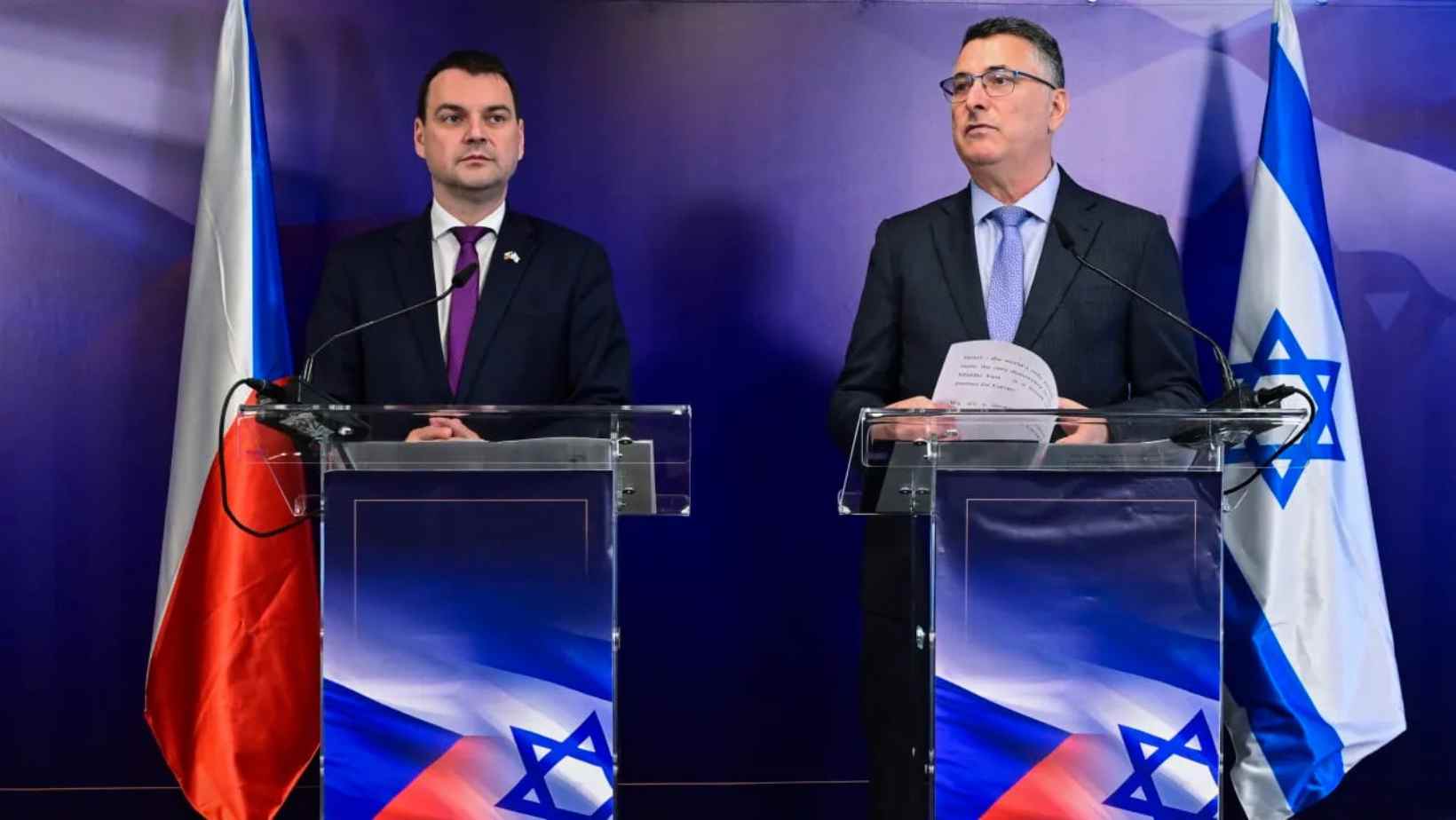
Prague is discussing the possible purchase of Israeli-made air defense systems, including the Spyder and Arrow platforms, as part of efforts to strengthen the country’s military capabilities. Czech Foreign Minister Petr Macinka said on Tuesday that Prague is holding talks with Israeli defense companies over the acquisition of several air defense systems. He made the remarks during a press conference with Israeli Foreign Minister Gideon Sa’ar in Tel Aviv. Macinka confirmed that the Czech government is examining several options to modernize its air defense capabilities, including Israel’s Spyder system and the Arrow missile defense system. He did not provide details on the potential value of the purchases or a possible timeline for any agreement. “Regarding the Spyder, yes, we are discussing air defense systems with Israel because these systems are technologically among the most advanced,” Macinka said. The talks come as European countries increase investment in air defense systems amid growing security concerns. Israeli systems have attracted attention due to their capabilities in intercepting missiles, drones, and other aerial threats. The discussions also reflect continued defense cooperation between the Czech Republic and Israel. Prague has previously purchased Israeli military technology, including the SPYDER short-range air defense system from Israeli defense...
For many people considering a move abroad, feeling welcome can be just as important as career opportunities or quality of life. While some countries are popular tourist destinations, not all make it easy for newcomers to settle, find work, build friendships and navigate everyday life. That’s the thinking behind a new study from international insurance provider William Russell, which has ranked the world’s most welcoming countries and cities for expats in 2026. Experts crunched six factors, including real expat experiences, migrant population size, foreign-born employment rates, local attitudes towards immigrants, and safety and visa openness, to work out where newcomers can happily build a life. The world’s most welcoming country? Iceland, scoring 8.94 out of 10. The land of fire and ice has the highest foreign-born employment rate in the study, with a whopping 84.2 percent of international residents in work – meaning expats aren’t just tolerated, they’re properly woven into the economy. Luxembourg took second place (more than half its residents were born abroad, the highest share in the world), while New Zealand rounded out the podium. The rest of the top 10 is mostly a parade of wealthy nations like Australia, Switzerland and Ireland, with one glorious outlier:...
The Czech government plans to increase defense spending by 36 billion CZK next year, allowing the Czech Republic to meet its NATO commitment of spending 2% of GDP on defence for the first time. Prime Minister Andrej Babiš announced the plan before departing for the NATO summit in Ankara, where allied leaders are expected to discuss military spending, the war in Ukraine and the future direction of the alliance. The Ministry of Defense received 154.79 billion CZK in this year’s state budget, equivalent to roughly 1.8 percent of GDP. An additional 30 billion CZK is expected to support defense-related projects through other parts of the state budget, but the government has acknowledged this will still fall short of NATO’s methodology for reaching the alliance’s spending benchmark. Earlier this year, Defense Minister Jaromír Zůna said NATO estimates Czech defense spending at 1.78 percent of GDP in 2026. His ministry has proposed increasing the budget to around 190 billion CZK next year to meet the alliance’s target. Speaking before the summit, Babiš described the gathering in Ankara as one of the most important NATO meetings in recent years. He said the Czech delegation would attend as the country’s new coalition government, emphasizing...
Don’t have an account? Register
Already have an account? Log In
How Would You Like to Promote Your Business? PR ArticleDisplay bannersVideo productionNewsletter adsJob ListingsInfluencer Marketing
Your Email
We will come back to you within 24 hours with our proporsal