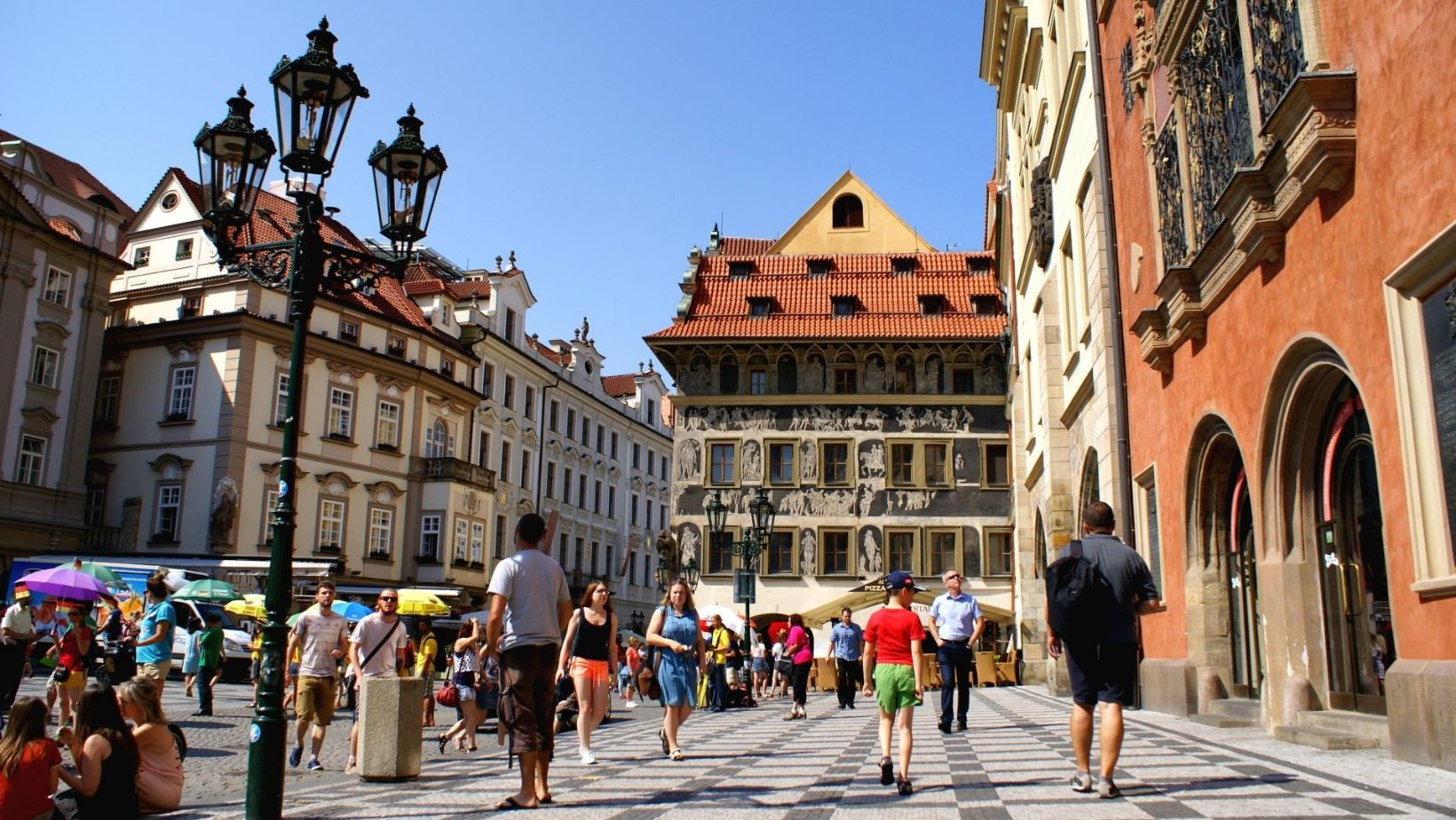
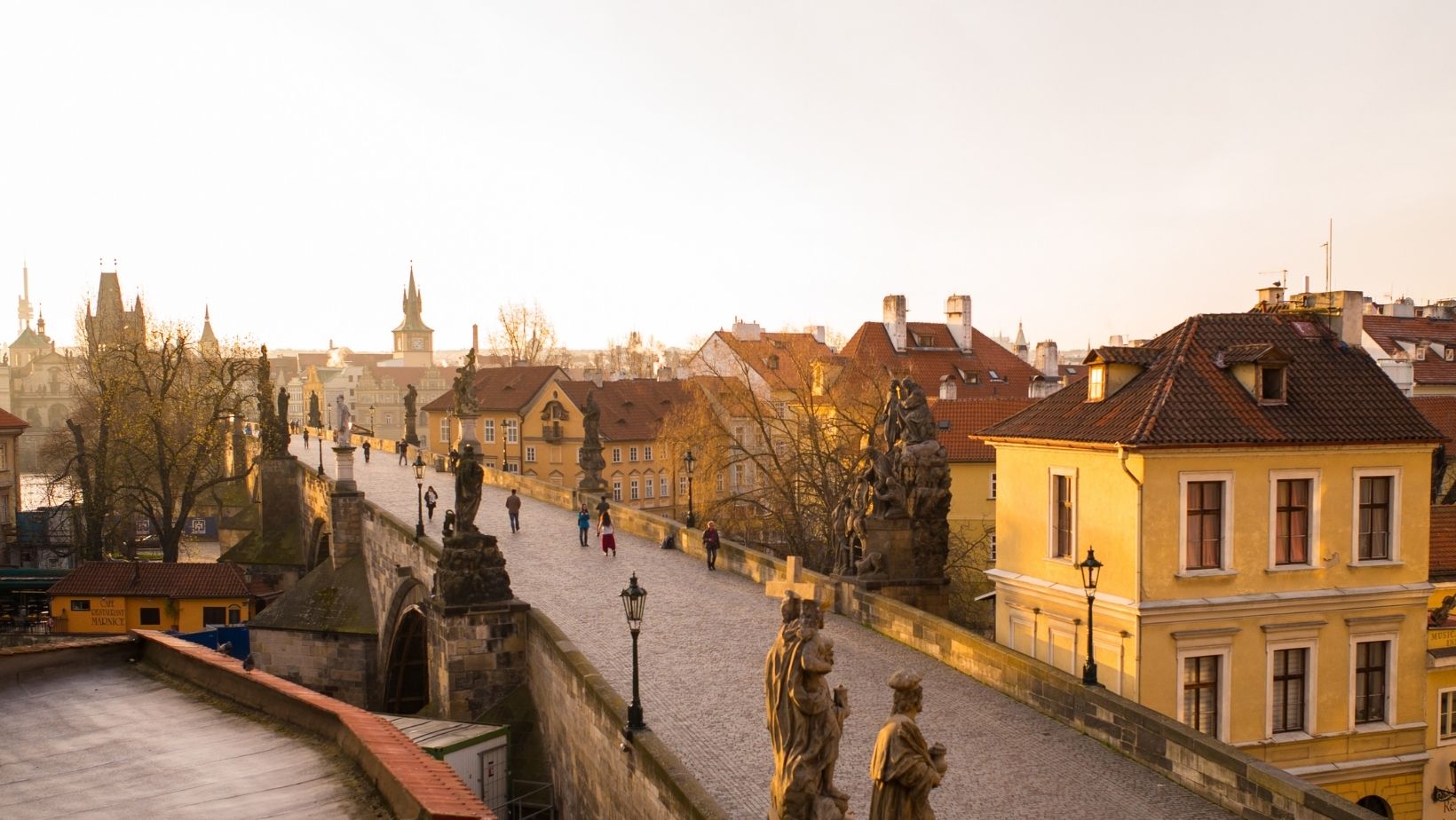
The state agency CzechTourism has launched a campaign that aims to attract German tourists on spa trips and city stays. It will continue for three autumn months and the agency has set aside a total of six million CZK. The campaign is aimed primarily at the residents of the border federal states of Saxony, Bavaria, as well as Berlin and Thuringia. According to Markéta Chaloupková, director of the CzechTourism’s foreign representation in Germany, the tourists interested in a spa holiday will be addressed through some of the most widely read Saxony newspapers or on public radio. According to her, the digital ads on outdoor showcases or online advertisements will be aimed at urban tourists. In 2019 alone, more than 2 million tourists came from Germany. To support the arrival of German tourists, CzechTourism also organizes individual and group thematic trips that might center around caravanning, cycling, or exploring the cultural life in Czech cities. “Despite the fact that the Germans spent their summer holidays mainly by the sea, the Czech Republic becomes a point of interest for them during autumn holidays,” CzechTourism stated in its press release. Online campaigns to support tourism in the Czech Republic are also simultaneously running...
The Czech authorities have announced that all persons who have not been vaccinated or recovered from the COVID-19 disease arriving from Belgium, Denmark, Sweden, Lithuania, Andorra, and San Marino will be subject to stricter entry rules, as the countries have been placed in the red category. Such a decision to place the above-mentioned countries in the red category has been taken in line with the latest data provided by the European Center for Disease Prevention and Control (ECDC) and will start being effective from tomorrow, August 16, SchengenVisaInfo.com reports. Except for the newly added countries, the red category already includes Ireland, Estonia, Iceland, France, the Netherlands, Malta, Greece, the Canary Islands, and Portugal. As such, according to a press release issued by the Czech Republic’s Ministry of Health, all persons arriving from a country placed on Czechia’s red category must fill in the arrival form and undergo COVID-19 testing before entry if they used public transport to reach the country. In addition, everyone is required to go in quarantine as soon as they enter Czechia and undergo a second test after the fifth day of isolation. However, it has been noted that testing and self-isolation requirements apply only to those who have...
The real estate projects in which the well-known Czech investor Marek Rosenbaum has recently invested will now be operating under one roof. The newly established European Housing Services group will bring together Bezrealitky, Maxima, the Czech Real Estate Trust, and TvůjSprávce administration services. Within a year, it believes in a consolidated turnover of more than 1 billion CZK and wants to operate in five European countries within five years. Hendrik Meyer – the CEO of Bezrealitky.cz – will take the lead. The main goal of the EHS is to create the largest and most comprehensive integrated real estate service in the V4 countries and later in the rest of Europe. It wants to achieve this by gradually building a portfolio of Czech and foreign companies that will complement each other in providing real estate services. “We combine real estate projects that have proven that they can work in synergies with each other. We also bring together skilled managers who have many years of experience with the Czech and European markets and share the same personal mission as EHS – to find ways to make housing more affordable and ensure an open real estate market for property owners and those interested...
From 2 August, newborn children of foreigners with a long-term residence permit in the Czech Republic will be automatically registered with the public health insurance system for at least two months, demands a new amendment of Foreigners in the Czech Republic Act. The change also concerns children born in the Czech Republic whose mother has a long-term residence permit in the Czech Republic at the time of birth, but the father does not have a permanent residence. The child will be a member of the public health insurance system from the day of birth and will be insured until the end of the month in which he reaches the age of 60 days. Afterward, the parents must take out commercial health insurance or the child must get another residence permit. According to the law, the birth of a child needs to be registered in the child’s mother’s health insurance company by a legal representative or a guardian within 8 days from their date of birth. If the mother is not insured in the Czech Republic, the father’s health insurance company must be notified within the first 8 days. If both parents are not covered by health insurance in the...
After a stormy weekend throughout all of the Czech Republic, a week of hot summer temperatures with a rare occurrence of precipitation awaits us. According to Czech Hydrometeorological Institute (CHMI), the highest temperatures will be on Friday, when they will exceed 30 degrees Celsius, so the country can prepare for a tropical day. In the following days, CHMI expects precipitation rather exceptionally, most of which will occur on Tuesday. According to the current forecast, the sunniest and the warmest day will be on Friday, when the limit of 30 degrees Celsius. It seems that during the weekend, the cold front will cross our territory again. While in the east it may still be hot at first, we must be wary of the showers and thunderstorms coming from the west. Today it will be mostly cloudy, temporarily clear in some places. The highest temperatures will rise to 26 degrees Celsius, and in mountainous regions, it will be around 17 degrees Celsius. At night on Tuesday, meteorologists expect partly cloudy to cloudy weather with a few occurrences of rain. In the morning, fogs might occasionally occur. The lowest temperatures drop to 12-16℃, in the west to 10℃. The highest temperatures climb to...
The process of gender reassignment in the Czech Republic is started by about a hundred people a year. Most of them opt for hormone therapy, while only approximately three out of a hundred people undergo gender reassignment surgery. This follows from the data provided by the Association of Health Insurance Companies. Transsexuals – people who are born as men but feel like women, or vice versa – apply for gender reassignment. “Transsexuality is a congenital disorder of gender identity, which usually causes serious mental problems. In the Czech health care system, it has its diagnosis and treatment,” said doctor Ludmila Plšková from the Association of Health Insurance Companies. The diagnosis is followed by hormonal treatment supplemented by psychotherapy. If people do not undergo surgery, they take the appropriate hormones for life. Gender reassignment is a long-term process. First, the application of a transsexual patient is assessed by a sexologist, then it is decided by a commission of the Ministry of Health. For example, in 2019, the commission considered 157 applications from transgender patients. According to insurance companies, the number of approved changes is around one hundred per year. “The vast majority of patients opt for hormone therapy. Only about three...
The fitness sector is getting back in shape – but it’s a different kind of shape. Gym workouts have been off the cards since the pandemic struck, but that’s due to change as vaccination roll-out hits its stride. In the UK, membership of The Gym Group soared by 33%, from 547,000 to 729,000 in the first months of 2021. And consulting firm McKinsey predicts 5-10% annual growth in the wellness market just because we’ve become more aware of the fragility of our health. But the new fitness craze is very much shaped by our lockdown experiences. Gym 2.0 will be a hybrid model of on-site training and ‘workout-from-home’ – and customers are likely to be more conscious of the price of fitness. As people consider which gym membership to choose, SavingSpot identified the average monthly membership cost for countries around the world and every state in the US. Here’s a preview of the world map: SavingSpot team found gym chains in each country through Google searches and Google Maps and used official websites to identify the lowest regular adult monthly membership fee (or equivalent cost from 3-month, 6-month, or 12-month memberships) for each chain. These costs were converted to...
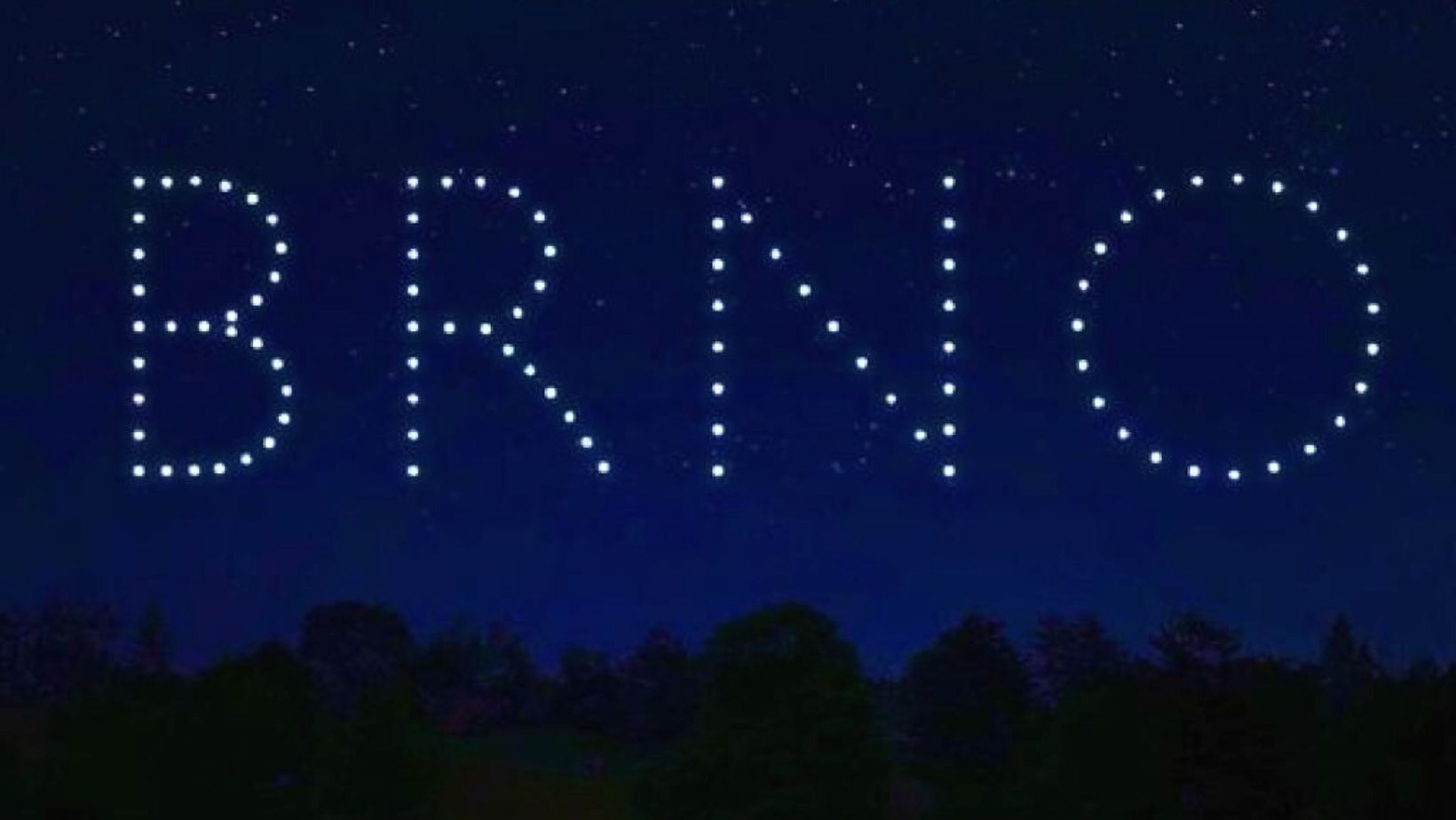
On Saturday 7 August, Brno’s residents will have the chance to witness a beautiful sight in the city’s skies. As part of the 24th year of the Ignis Brunensis festival, the Czech City of Brno will organise the country’s first drone show. The show will take place above Kraví hora at 21:30 and 23:00, and entry will be free for all. As TheMayor.eu reports, the City of Brno explains that the novelty show will consist of 100 drones flying in the night sky. Music will accompany the movement of the drones as they make various fascinating shapes above the spectators. According to the event’s organisers, the show is in line with the theme of “60 years of humanity in space”. Following the first program at 21:30, the festival will continue with a firework display called “Greetings from Europe”. The 2nd Deputy Mayor Tomáš Koláčný commented on the upcoming spectacle noting that it will act as proof of Brno’s potential for innovation and technological advancement. Taking this further, Koláčný shared: “Brno is the first city in the Czech Republic to host a drone show, except for a spring festival event in Prague. I believe that the inhabitants and visitors of Brno will welcome the...
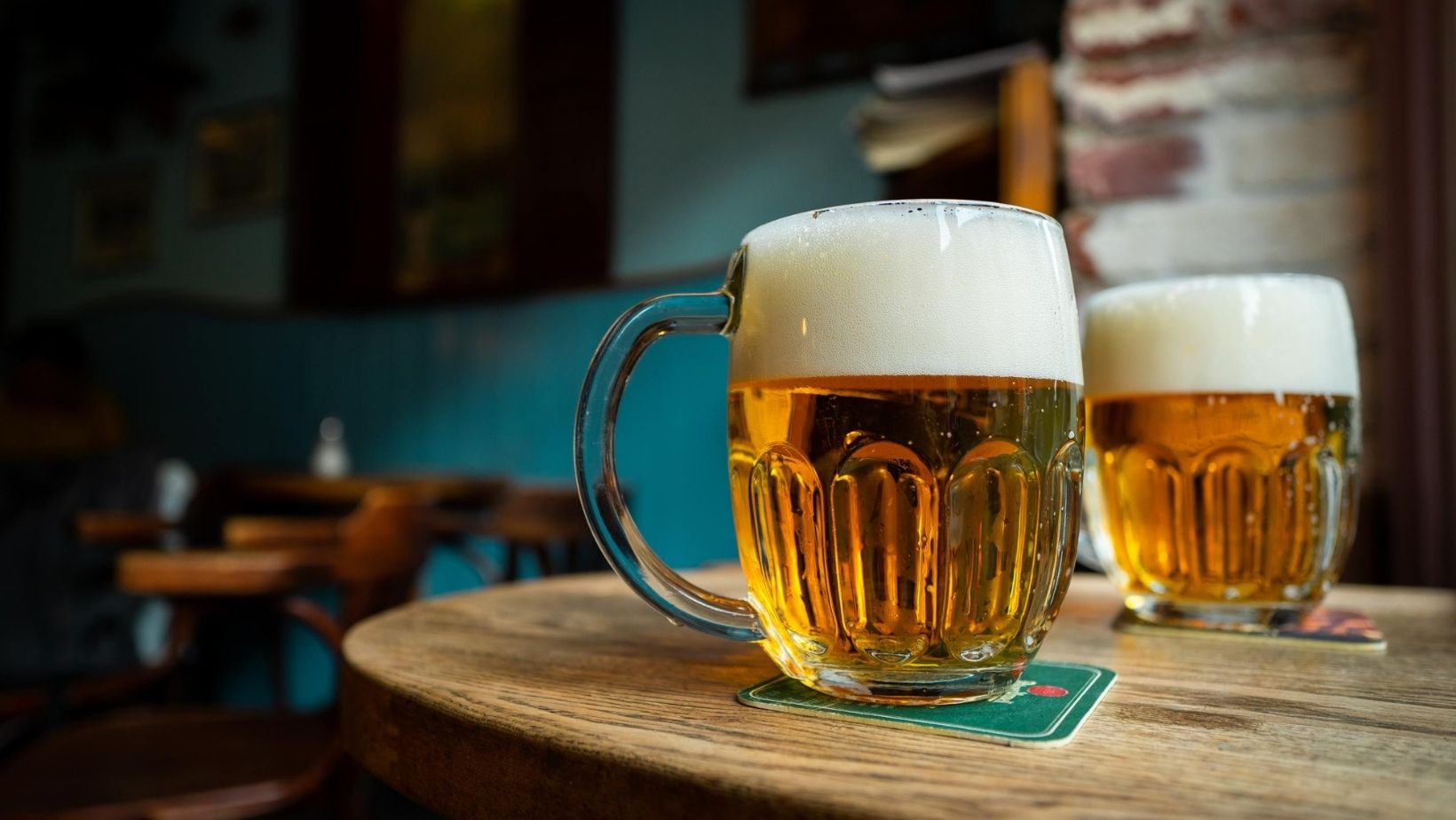
On-trade volume sales of beer fell by 40% in 2020 in light of the impact of COVID-19. Off-trade volume sales of beer, meanwhile, grew by 16% in 2020 due to COVID-19’s impact. Beer was strongly affected due to the more limited shelf life of many beer products, meaning the closures of on-trade channels and ongoing restrictions resulted in the waste of a large quantity of unsold beer. However, beer remained popular for takeaway from on-trade establishments who were still operating with a window service, thus this helped bolster sales somewhat. A warm summer with people staying in the country and not travelling abroad also supported on-trade sales. Sales through grocery retailers and e-commerce partially compensate for the loss in revenue through the on-trade Small breweries were the most impacted, as they typically do not have the investment to withstand periods of downturn and depend much more on the sales of beer through on-trade establishments. Therefore, the microbreweries which have experienced a huge boom in recent years, are now fighting for survival following the impact of COVID-19. However, it is not just the smaller breweries that felt the impact. The Budweiser Budva brewery had to dispose of hundreds of hectolitres of...
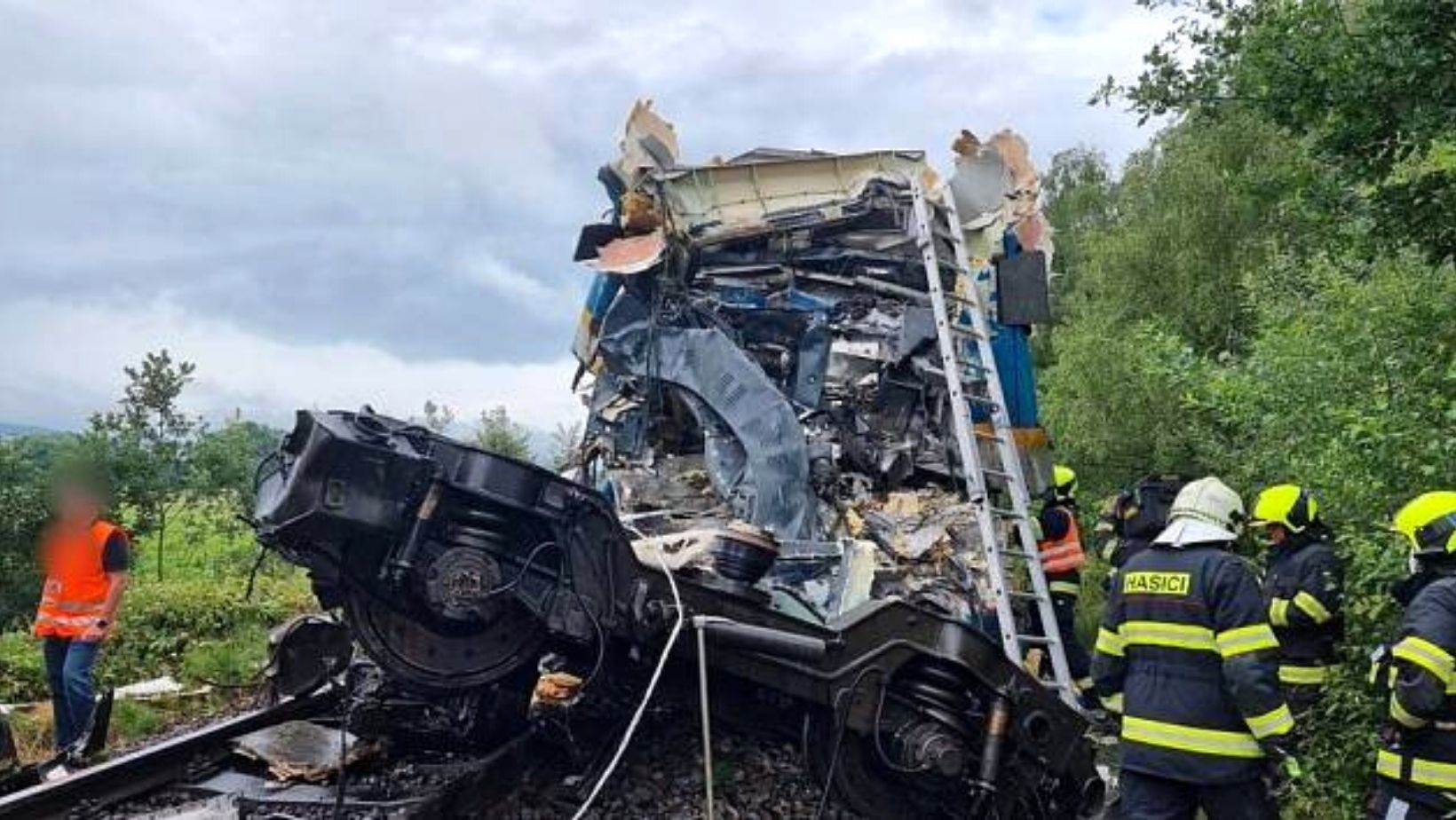
Two people have been killed and up to 50 injured after two trains smashed into each other in the Czech Republic. Police said the crash occurred shortly after 8 am outside the village of Milavce in the rural southwest around 15 km from the German border. According to local media, the trains that collided were the EX 351 train and the OS 7406 train between the Domazlice and Blizejov stations. According to the Czech Railways website, the EX 351 is an express service from Munich to Prague. The local CTK news agency said up to 50 passengers could have been injured, citing firefighters. TV footage on Czech Television showed the driver’s damaged cabin of the fast train’s locomotive, as well as the front part of the local train. Both trains remained upright on or close to the tracks. Czech transport minister Karel Havlicek said human error likely caused the crash. He said the driver of the high-speed train had failed to stop at a designated location. ‘The situation is serious,’ said Havlicek, who was heading to the site. Seven people were in critical condition and rescue teams, including ambulances from neighbouring Germany, have been rushing people to hospitals in nearby...
Czech President Miloš Zeman officially signed a new addition to the country’s Charter of Fundamental Rights and Freedoms which makes it legal to protect oneself or others by the use of firearms if legally stipulated conditions are met. The Constitutional right will become valid from September 1, the Czech News Agency reports. On July 13, the Czech government announced that it endorsed a plan to enshrine the right of individuals to use a firearm to defend themselves and others in the central European nation’s constitution. The move comes three years after another pro-gun constitutional amendment passed the Czech Chamber of Deputies (the lower house of the Czech Parliament) but failed to receive final approval. Last September, 35 members of the Czech Senate introduced legislation to amend the Czech Constitution’s Charter of Fundamental Rights and Freedoms. The proposal would alter the charter to include language that roughly translates to the following, “The right to defend one’s life or another’s life and weapons is guaranteed under the conditions laid down by law.” In a document explaining the forwarded change, the senators noted, “The current proposal… strengthens the fundamental rights of individuals. The proposal itself introduces a constitutional enshrinement of the right to defense with arms.” The item goes on...
The Czech Republic has left many Indian students confused with their new announcement regarding travel restrictions for those travelling from India. If you have a visa that was issued before August 2, you will not be able to enter the Czech Republic. Several students, researchers, and even families have been waiting for the Czech Republic to open its doors for Indians again, which have been shut since April this year due to the pandemic. The most recent announcement that came out on August 2 read, “It is not possible to travel to the Czech Republic on the basis of a short-term or long-stay visa issued before 2 August 2021.” This has further led to more confusion amongst students. Shubhra Sau (30) is all set to go to the Czech Republic for his PhD. studies. His visa got approved but the new announcement has just led to more angst. “What is the point of this announcement? What will happen to those who have valid student visas?” he wondered. There are many like Shubra, at least 200 more, who are now left in the lurch. Saunak Sinha Ray, for instance, was awarded an early-stage researchers’ grant by the Marie Skłodowska-Curie Actions, a...
Don’t have an account? Register
Already have an account? Log In
How Would You Like to Promote Your Business? PR ArticleDisplay bannersVideo productionNewsletter adsJob ListingsInfluencer Marketing
Your Email
We will come back to you within 24 hours with our proporsal