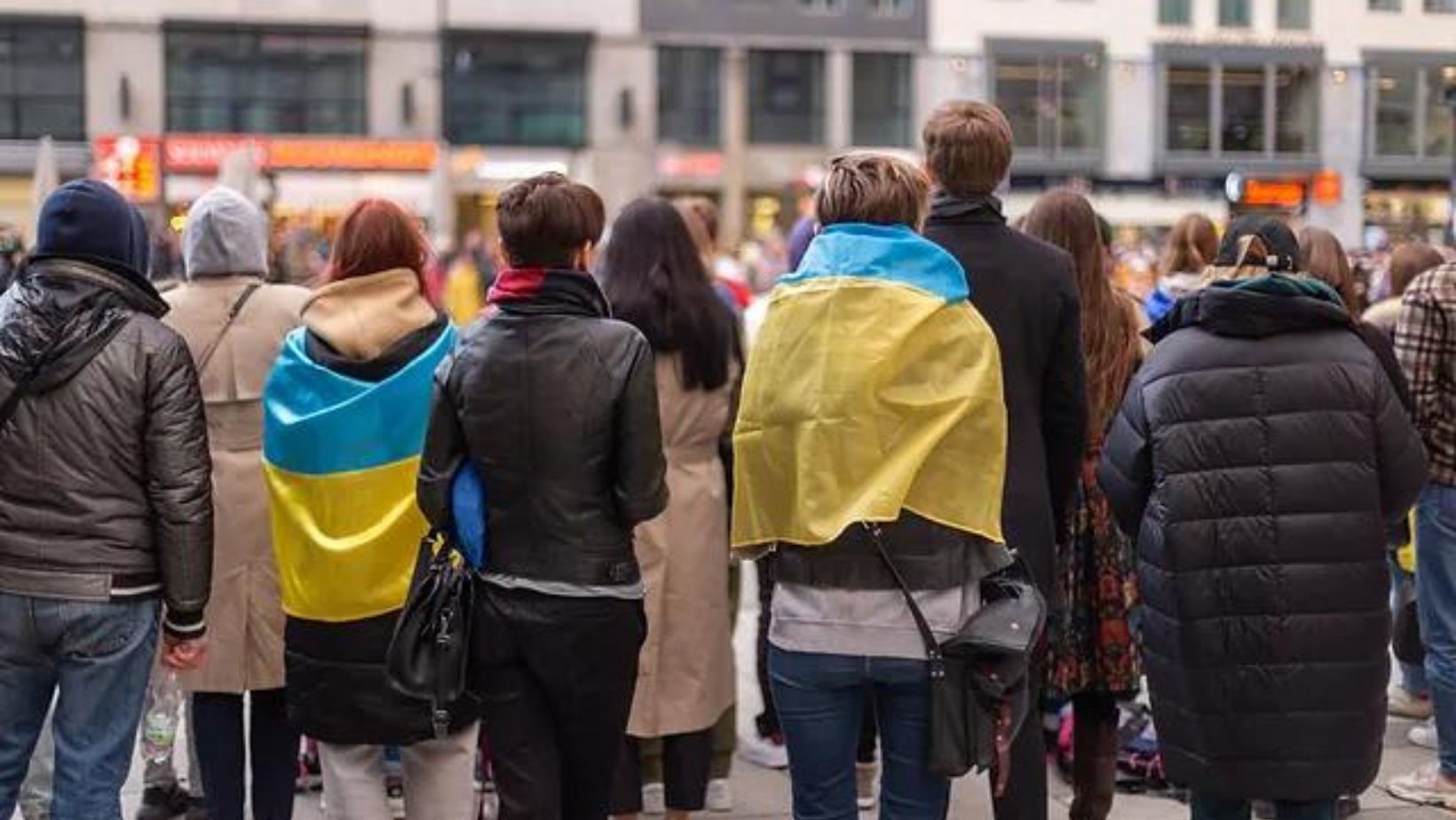
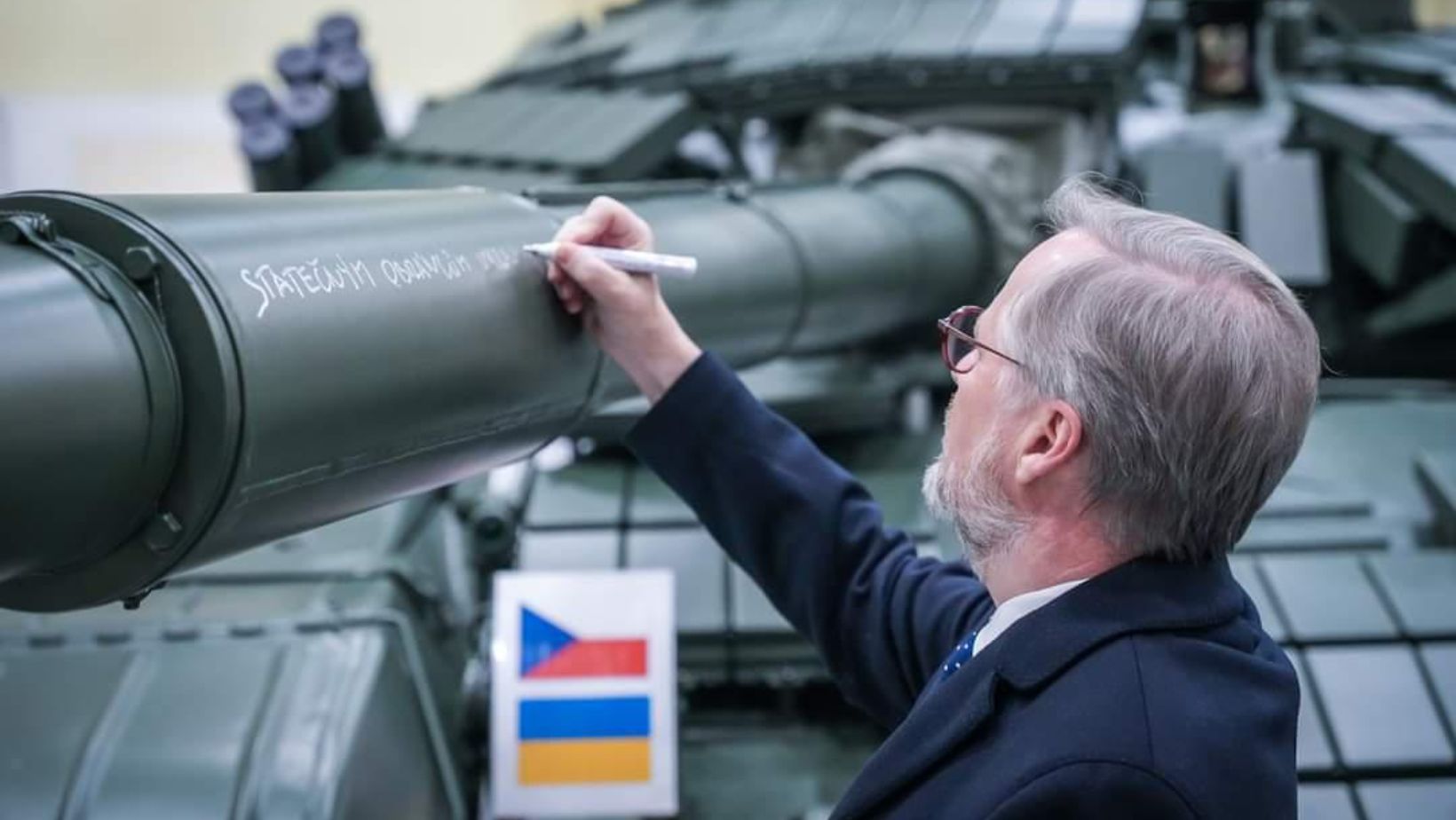
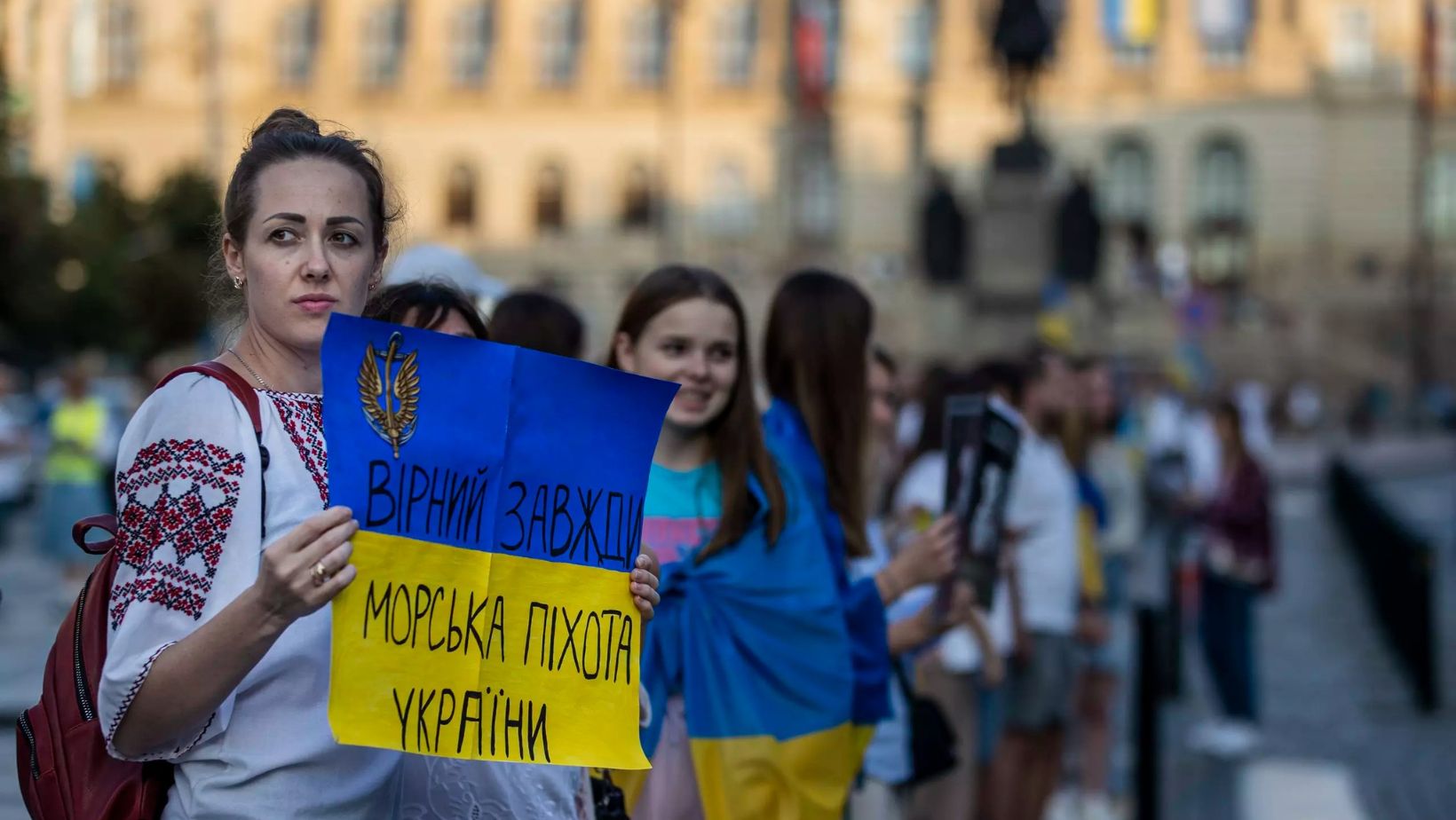
Czechia has tightened the conditions for paying benefits to Ukrainian refugees, bringing considerable savings to its economy during financial consolidation. According to Czech government data seen by Seznam Zprávy, expenditure for Ukrainian refugees has been cut by over a third. In June 2023, the state spent nearly €71 million on humanitarian aid and solidarity grants, with spending falling to around €46 million by July. The savings are linked to the so-called Lex Ukraine law, which overhauled refugee benefits and came into force in July. The Czech government’s move comes when it is intensively discussing the consolidation of public finances and austerity measures. Czech Labour Minister Marian Jurečka (KDU-ČSL, EPP) confirms that the change in the conditions led to a significant drop in expenditures. According to him, some refugees even left the country and returned to Ukraine. Others decided to find a job in Czechia to be able to cover their needs. “Obviously, this has also had an impact on employment, which is still growing,” said Jurečka, as quoted by Seznam Zprávy. Currently, there are 325,742 Ukrainian refugees with temporary protection registered in Czechia – making it one of the European countries that hosts the most Ukrainian refugees per capita. According to the Czech...
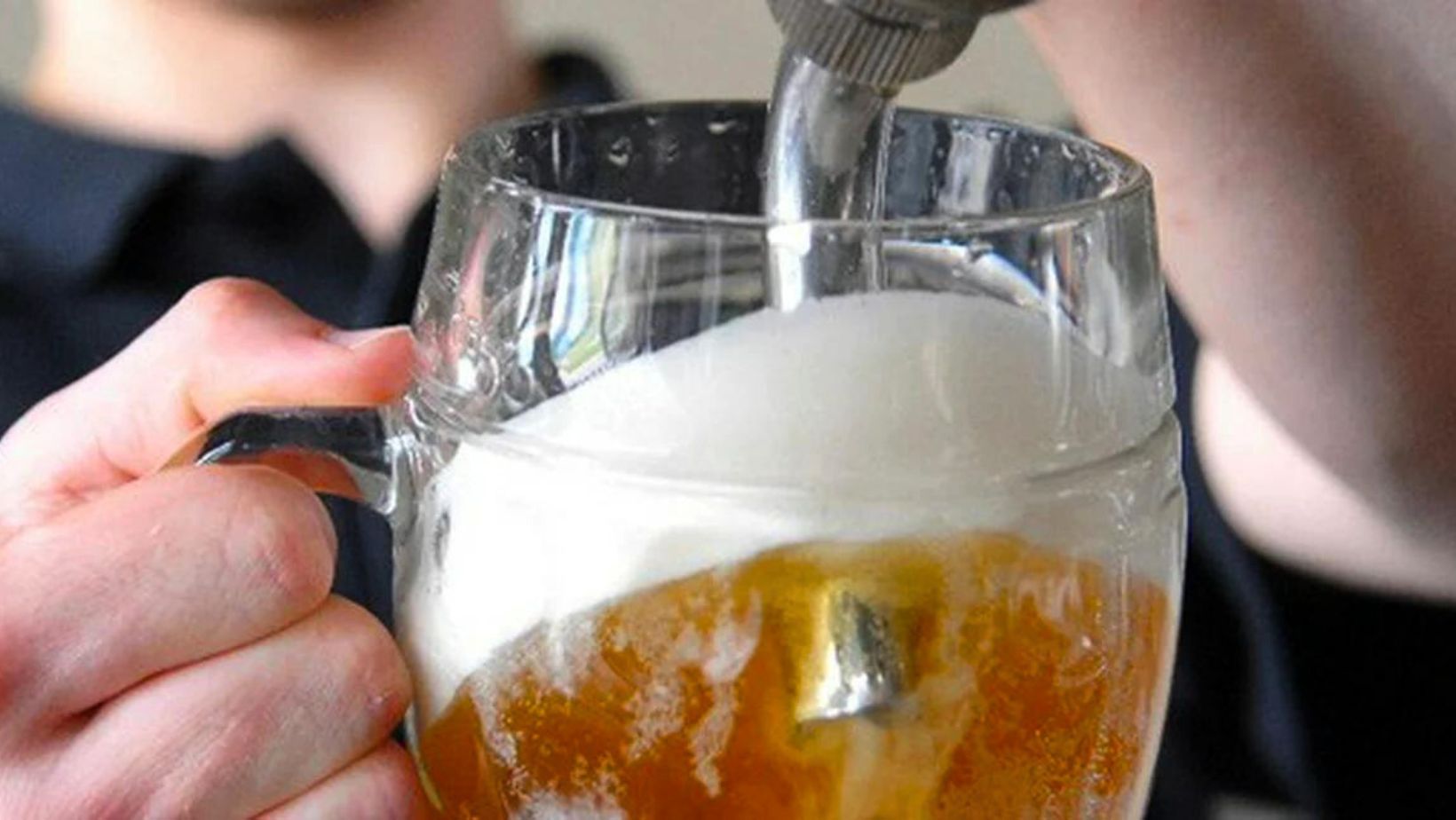
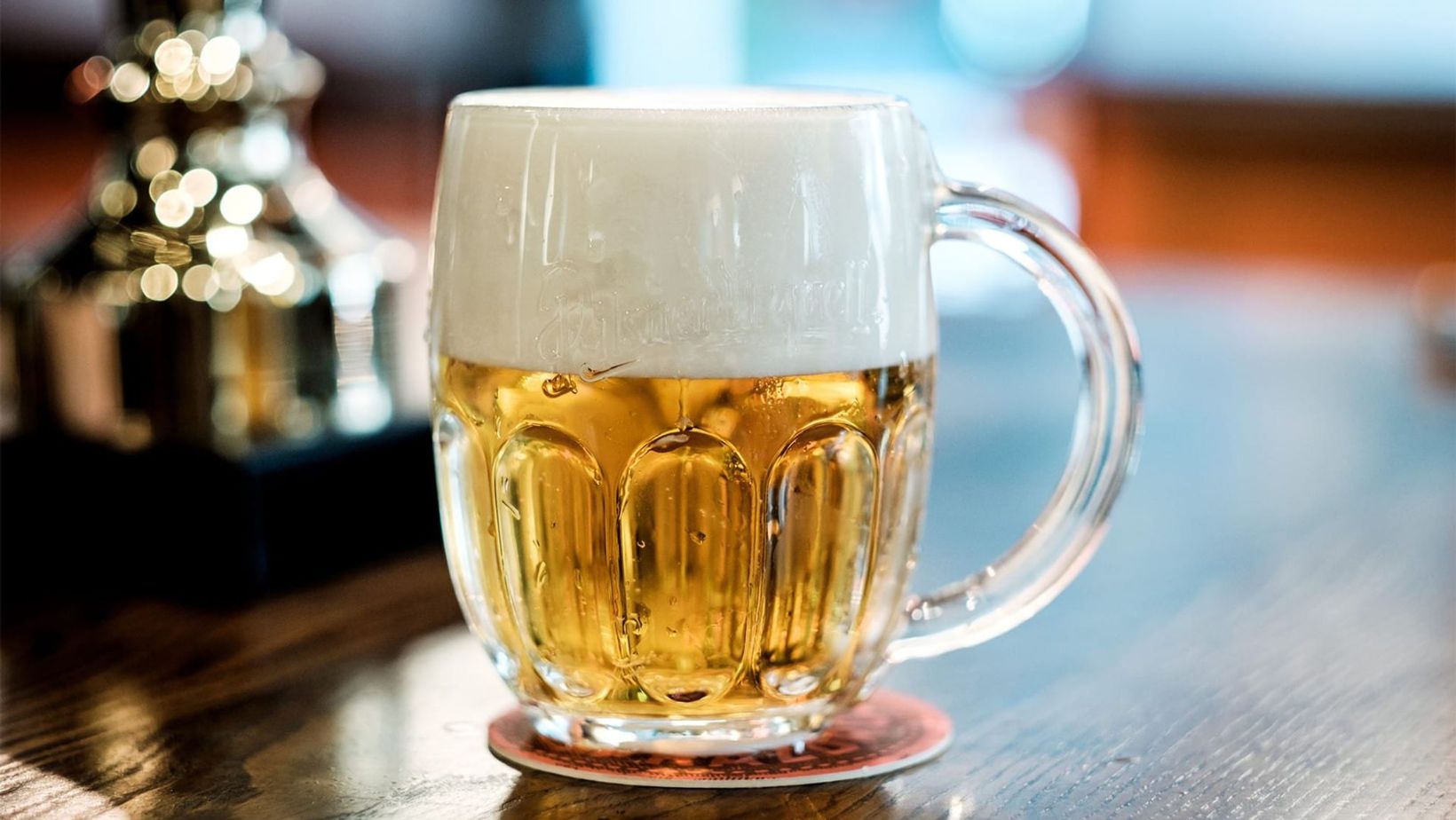
The Radegast brewery, located in Nošovice, near the Frýdek-Místek region, has accomplished a significant milestone in brewing. For the first time, they have created beer using water extracted from the air’s humidity. This achievement comes through a special batch called Radegast Futur, which aims to raise awareness about the scarcity of water in the Czech landscape. This innovative water-harvesting technology was developed in collaboration with ČVUT and Karbox. A member of the research team, Nicola Pokorný, explained that the EWA (Emergency Water from Air) device is based on the principles of ČVUT’s Solar Air Water Earth Resource (S.A.W.E.R.) system. Designed primarily for extremely hot and dry regions, the EWA device can produce approximately 30 liters of drinkable water per day. Its main purpose is to serve as an emergency source of drinking water during natural disasters or conflicts where water becomes scarce. Unlike most air-to-water systems that cool the air to condense moisture, the ČVUT team developed a unique approach using a specific sorption material. This material collects moisture from the air and releases it through heating, creating highly humid air. This humidity allows for water condensation, even in challenging environments. Beyond conservation, the brewery aims to preserve water within the...
The Lobeč brewery is one of 30 heritage projects to receive the European Heritage / Europa Nostra Award this year. For Czech architect Pavel Prouza, restoring a run-down building with historic value was a childhood dream nurtured during family tours of old monuments. Next month, he will receive a major European heritage award in Venice for having renovated a sprawling derelict brewery on the brink of total destruction. The Renaissance-era site in Lobeč, a village north of Prague, is now producing beer again after architect and his wife sank all their money into the high-risk investment. With an annual output of almost 100,000 litres of beer, the brewery looks set to thrive in the country known for its love of the tipple. Several hundred years old, the brewery produced over a million litres of beer a year during its heyday in the early 20th century. It flourished until World War II but was nationalised when the Communists took power and turned into a produce warehouse, tractor garage, workshops and flats. Falling into disrepair, the site changed hands several times post-communism, its owners using it for construction material. Squatters finished the job, burning up the floor planks and treating some...
The Czech Supreme Administrative Court (NSS) has rejected an appeal from a pre-op transgender person who claimed that the requirement for them to undergo surgery to change from a woman to a man before they can officially change their gender was unconstitutional. The appellant was born as a woman but now identifies as a man. They wanted official recognition of their amended gender status but the Czech registry office refused to comply with the request for an official change of gender, including the entry of a male name and a male version of the birth number, because the appellant had not undergone a surgical procedure associated with the disabling of reproductive function, as required by law. The decision, in which the NSS emphasized the importance of protecting the basic natural attributes of family and parenthood, is temporarily binding on the official board. The Constitutional Court recently decided on a similar case with the same result. According to the NSS, the applicant’s hope that the new composition of the Constitutional Court will rule in his favor was curious. The applicant, whom the court refers to as male according to his wishes, claimed that the conditionality of gender change by carrying out...
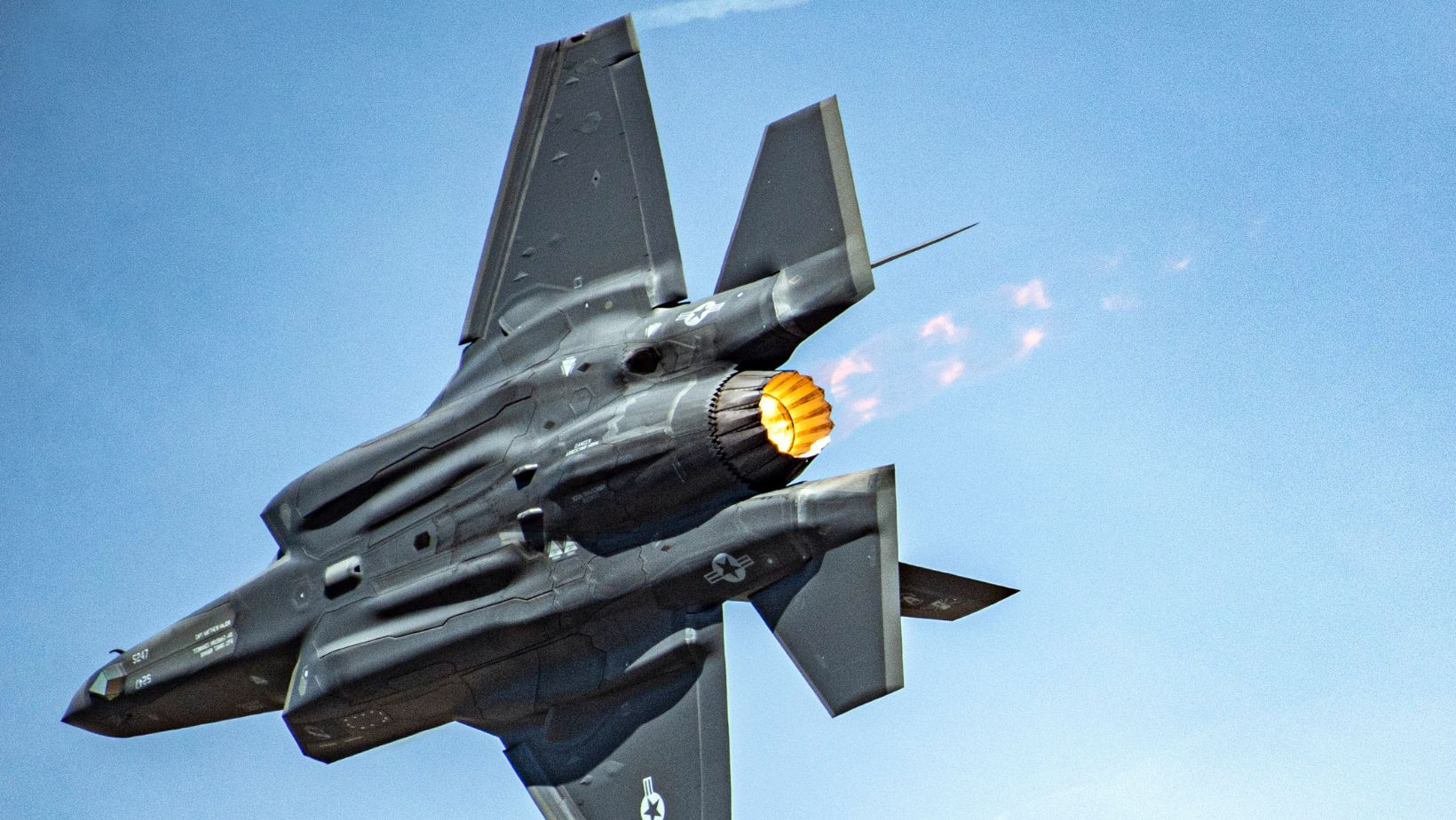
The Czech Republic on Wednesday completed the ratification of a defense treaty with the United States that deepens military cooperation and makes it easier to deploy U.S. troops in Czech territory. Czech Prime Minister Petr Fiala’s signature was the final step in the ratification process of the Defense Cooperation Agreement, which had been endorsed by both houses of Parliament in July and by President Petr Pavel on Aug 1. The document sets a legal framework for possible deployment of U.S. troops in the country at a time of Russian aggression against Ukraine. Czech Defense Minister Jana Cernochova signed the treaty together with U.S. Defense Secretary Lloyd Austin in Washington, D.C. on May 23. The U.S. has similar agreements with 24 other NATO members, including Poland, Slovakia, Hungary, Lithuania, Latvia, Estonia, Romania and Bulgaria that form the eastern flank of the alliance. Any deployment of U.S. forces would still need approval by the Czech government and Parliament.
The financial situation of Czechs is getting worse. One in four has already experienced a situation where they lacked money for everyday life. However, Czechs do not lack financial self-confidence and they value their knowledge of the world of money. The number of those who have experienced financial difficulties has risen by more than six percentage points year-on-year. While last year 54 per cent of people dealt with financial discomfort, today it is almost 60 per cent. This information was gathered from a global survey of 500 participants, ages 18 to 75, that Kantar carried out on behalf of the International Personal Finance group. The increase is more noticeable when there aren’t enough finances to cover living expenses, when income isn’t enough, or when loans are denied. At least once, one-fourth of Czechs have struggled with having insufficient money to support their family. Comparing this to last year’s one-fifth figure shows a huge increase. The proportion of people in this age group who experience such situations has increased from 20% to 34% in only one year. In addition, a higher number of people have reported having their loan applications rejected by banks (up 30%) or other lenders (up 85%) than...
The bodyguard of Czech President Petr Pavel committed suicide due to harassment by colleagues. This was reported on August 14 by Czech radio station Prostor, citing a source within the security service of the head of state. According to media reports, the tragic incident occurred last Sunday, August 13. Prior to this, the 36-year-old bodyguard had repeatedly complained about how his colleagues treated him negatively. The man was scheduled for his next duty to protect the head of state on Wednesday, August 16. However, his name has not been disclosed. Both the police conducting the investigation and the presidential office declined to comment on the incident. Earlier, on November 30, 2022, an employee of the Federal Security Service (FSO) committed suicide while on duty within the Kremlin’s territory in Moscow. According to an Izvestia source, the FSO officer was found unconscious on Cathedral Square on November 29 after 11:00 PM. An official investigation was launched.
The month of July in the Czech Republic this year secured its spot as the eighth warmest since 1961, when national temperature records began. The average index in Prague was 19.6 degrees Celsius. As for rainfall, the month stayed within normal levels, according to today’s announcement by the Czech Hydrometeorological Institute (CHMI) on its website. Experts at Copernicus, a European program tracking atmospheric and climate changes, went a step further, proclaiming this year’s July as the warmest eighth month ever recorded worldwide, boasting an average temperature of 16.95 degrees – a 0.33-degree increase over the former record-holder, July 2019. On the domestic front, meteorologists have noted that the highest July average temperature was seen 17 years ago, reaching 21.3 degrees. Conversely, the chilliest July was back in 1979, when the average temperature dipped to 14.6 degrees. During the early summer break, temperatures in Moravia and Silesia were slightly higher, averaging 20.1 degrees, compared to Bohemia, which experienced a cooler average of 0.7 degrees. In historical context, July marked the ninth hottest month since records began 249 years ago at Prague’s Klementinum, with the average temperature being 23.2 degrees. For the entire country, the average temperature during the monitored month exceeded...
Czech consumers seeking affordability in their furniture and car purchases are advised not to rely solely on local retailers. Czech newspaper Právo highlights that neighboring countries offer substantial cost savings on items like furniture, automobiles, and cosmetics, with differences sometimes amounting to tens of thousands of crowns. Certain companies have taken advantage of Czechs’ willingness to pay higher prices amidst inflation concerns, contrasting with the more price-conscious attitudes of Poles, Slovaks, and Germans. For instance, substantial savings are attainable by purchasing a Skoda Octavia in Poland, potentially reducing costs by tens of thousands of crowns. Similarly, IKEA furniture is frequently priced lower in Poland, and cosmetics can be more affordable in Germany due to its higher purchasing power. “Firms can absorb these prices as long as consumers continue to make purchases at these rates,” stated Petr Sklenář, chief economist at J&T Banka. Právo conducted a comparative analysis of prices for equivalent products from Skoda Auto, IKEA, and dm drugstores in both the Czech Republic and neighboring nations. For instance, a Skoda Fabia in Ambition trim, featuring a 1.0 MPI engine, costs CZK 369,900 in the Czech Republic, while in Slovakia, the same model is available at a CZK 15,000 discount....
The murder of a Roma man alleged to have been committed by a Ukrainian person sparks angry protests against Ukrainian refugees in the Czech Republic. Nicolas Dirda, a Roma man, was stabbed to death on June 10 on a tram in the Czech Republic as he travelled to a firework display at a lake just outside Brno. The murder sparked angry protests among the Roma, a significant minority who number about 250,000 in the country. Media reports pinned the murder on a Ukrainian person without any confirmation from police authorities. Powered by rumour and fake claims of further crimes, a series of confrontations has followed. Roma are clashing with members of the group of 350,000 or so Ukrainian refugees that the Czech Republic has taken in since Russia’s President Vladimir Putin launched a full-scale invasion of Ukraine in February 2022. Roma activists and government officials have called for the rejection of collective guilt, pointing out how the minority itself is victimised by the same process. But the tension has continued to build. Multiple episodes of violence and intimidation have been reported as radicalised sections of the Roma community claim that Ukrainian refugees are being handed social housing, benefits and school places that should go to Roma....
If you use a Premium subscription on the streaming platform Spotify, you may notice a rise in prices for the Premium subscriptions. All users who own a subscription should have received an email with a message stating that the platform changes the pricing for its services starting from September 2023. The prices for all Premium-based plans, which previously allowed the user to listen to favorite music endlessly without any advertisements, will be increased in the Czech Republic. The price will be raised by several dozen crowns, varying on a specific plan. However, the rise in prices is not the same for all Premium plans. In fact, it varies: Premium Student subscription will change its pricing from 70 CZK per month to 89 CZK per month. If you count as a long-term user, the sum will be corrected starting from the next payment – September. Individual tariff now costs 169 CZK monthly, Duo subscription – 229 CZK, whereas Family Plan, with 6 people maximum to join it from the same billing address, will worth 269 CZK. The difference in the price rising is not rapid but noticeable, though. The Student Plan will only rise by 14 CZK, while Duo Plan will...
The number of Russians residing in the Czech Republic has fallen after years of growth. At the end of June, 42,500 people from Russia held residence permits in the Czech Republic, which is about 3,600 fewer than in March 2022. There are several hundred fewer Russian students at Czech universities year-on-year. On the other hand, the number of Russian employees in the Czech labor market has increased by about 1,300 since last spring. This is based on data from the Czech Statistical Office, the Interior Ministry, labor offices, and the Education Ministry. According to the findings of the Center for Public Opinion Research (CVVM), more than half of Czech citizens agreed with the complete political and economic isolation of Russia. The same number of respondents identified the country as a threat to the Czech Republic last autumn. Ten years ago, in June, 33,400 Russians held residence permits in the Czech Republic, of whom 15,900 were allowed to live here permanently. Last January, 45,700 people from Russia lived in the Czech Republic, with 23,400 of them living here permanently. Not only economic migrants but also refugees are arriving in the Czech Republic from Russia. Last year, 157 of them applied for...
Don’t have an account? Register
[swpm_registration_form level=”6″]
Already have an account? Log In
How Would You Like to Promote Your Business? PR ArticleDisplay bannersVideo productionNewsletter adsJob ListingsInfluencer Marketing
Your Email
We will come back to you within 24 hours with our proporsal